cropper
update
[Company Name]
Concierge Health Hub logo
update
  • Home
  • Categories
    • Practice Mastery
    • Patient Connect
    • Financial Fitness
    • Tech Advantage
    • Marketing Mastery
    • Regulatory Radar
    • Wellness Wisdom
  • Featured Practices
September 06.2025
2 Minutes Read

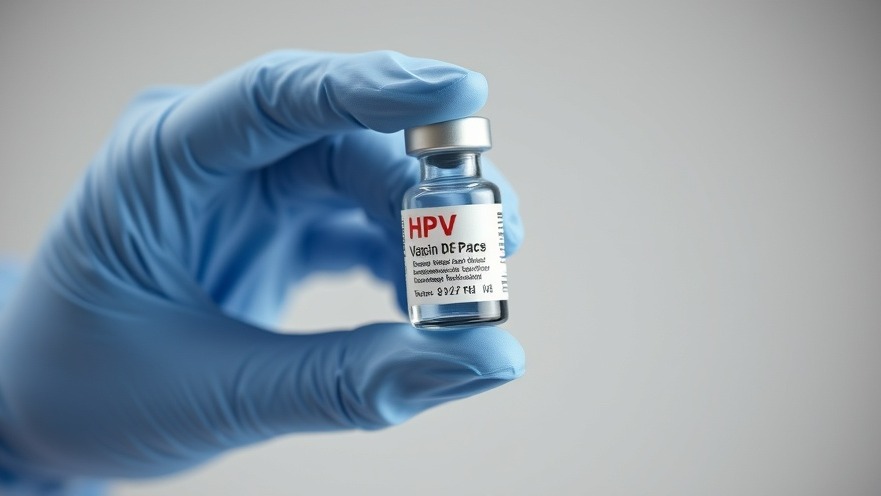
Are You Aware? Many Adults Lack HPV Vaccine Knowledge: Here’s What Concierge Practices Can Do

Are You Aware? Many Adults Lack HPV Vaccine Knowledge: Here’s What Concierge Practices Can Do


Unveiling the Gap: Adult Awareness of HPV

In a recent study, alarming statistics reveal that many adults remain largely uninformed about human papillomavirus (HPV) and its vaccine. Specifically, about one third of adults in the U.S. lack knowledge of HPV and its link to various cancers, including not only cervical cancer but also oral and anal cancers. These findings raise important questions about public health education and the role of healthcare providers in conveying this critical information.

The Broader Impact of HPV Awareness

HPV is not a trivial matter. According to the Centers for Disease Control and Prevention (CDC), it is associated with six different malignancies—cervical, oral, vaginal, vulva, penile, and anal cancers. Each year, nearly 48,000 new cases are diagnosed, with a significant portion of these occurring in Southern and Midwestern states. This substantial burden emphasizes the need for healthcare professionals, especially those in concierge medicine, to prioritize HPV awareness within their patient interactions.

Why Awareness Matters

Ashvita Garg, PhD, who contributed to the study, emphasizes that awareness and knowledge are pivotal in driving preventive health behaviors, such as vaccination and regular screening. Engaging patients and educating them about HPV can significantly improve screening rates and vaccination uptake. For concierge medical practices aiming to enhance patient care, this is an opportunity to initiate proactive discussions surrounding HPV and related cancers.

Actionable Strategies for Concierge Practices

As concierge medicine practitioners, you have a unique advantage in establishing deep and meaningful connections with your patients. Here are some actionable strategies to consider:

  • Educational Materials: Develop brochures or digital content that explain the risks associated with HPV and the benefits of vaccination. Make these resources readily available in your office and online.

  • Open Conversations: Create a comfortable environment for patients to discuss their health concerns. Initiate conversations about vaccinations during routine check-ups.

  • Host Informative Events: Organize seminars or webinars that dive deeper into HPV-related health issues, inviting guest speakers who can provide expert knowledge.

Understanding Patient Sentiment

Patients may feel anxious about discussing sexually transmitted viruses or asking questions about vaccines. It’s essential to foster a non-judgmental, warm atmosphere, where patients can seek clarification and guidance. Show empathy to bridge the gap between healthcare knowledge and personal health.

Conclusion: The Time for Action is Now

With many adults unaware of the dangers associated with HPV, there’s an immediate need for medical practices to step up and fill this knowledge gap. By integrating HPV awareness into your concierge practice, you not only enhance patient care but potentially save lives. Now is the time to take action and empower your patients with the knowledge they need to make informed health decisions.


Patient Connect

0 Comments

Write A Comment

*
*
Please complete the captcha to submit your comment.
Related Posts All Posts
05.25.2026

What NYC's Defiance Means for Public Health and Concierge Practices

Update NYC's Bold Move in Global HealthOn February 5, 2026, New York City became the first municipality in the United States to join the World Health Organization’s (WHO) Global Outbreak Alert and Response Network (GOARN), just weeks after the federal government formally withdrew from the WHO. This decision, framed by city officials as a public health necessity, marks a significant moment in the ongoing relationship between state and national authorities in managing health crises.Understanding GOARN: A Necessity for NYCGOARN facilitates the rapid detection and response to global health threats, comprising over 360 institutions from national health agencies, NGOs, and academic bodies. For NYC, which sees over 12 million international visitors annually, joining this network is not just about regulatory compliance. It's about actively securing a health safety net. Acting NYC Health Commissioner Dr. Michelle Morse articulated this well: "New York City is a global city with 8.5 million residents and millions more from around the world. To best prevent disease outbreaks and protect our New Yorkers and visitors, this partnership is essential." This rationale enhances the health department's ability to access early-warning outbreak intelligence and coordinate responses to imminent threats.A Response Driven by Political ClimateThis move, however, transcends public health — it is also a political statement. NYC's new leadership under Mayor Zohran Mamdani has consistently pushed back against the Trump administration's policies, which have been perceived by many as detrimental to public health. By aligning with WHO’s GOARN, NYC is taking a stance against what it views as a retreat from global health commitments by the federal government. This is not just about pandemic preparedness; it’s also about asserting local authority in a landscape where federal oversight appears compromised.The Ripple Effects: A National Trend?Following NYC's lead, California and Illinois have also indicated their intent to join GOARN. These developments could signal a shift in how states and municipalities cooperate with international health organizations. By fostering these partnerships, states can overcome the limitations imposed by federal withdrawal, potentially leading to a more decentralized approach to public health management. This is especially relevant as infectious diseases increasingly ignore geographical boundaries — a reality highlighted by the ongoing spread of viruses like measles and COVID-19, which often have roots in international travel.Emphasizing Community Connections and Patient RelationshipsFor concierge medical practices, this evolving landscape presents both challenges and opportunities. As local health policies increasingly reflect community needs and global realities, maintaining strong patient relationships becomes paramount. Patients are likely to seek practices that not only address their immediate health concerns but also demonstrate an awareness of broader health trends and public safety issues. Engaging in health communication that aligns with these national and global trends will be critical for concierge practices looking to grow and secure their standing in the community.Inspiring Future Action in HealthcareNow more than ever, concierge practices should consider how they can contribute to local health dialogues and support initiatives like GOARN. Establishing themselves as community health advocates can foster trust and loyalty among patients. Here are a couple of actionable insights forconcierge medical providers:Stay Informed: Regular updates on global health trends can inform patient care and enhance communication with clients.Community Outreach: Engage in local health initiatives that promote wellness, vaccination drives, and health education.In summary, New York City's bold re-engagement with WHO reflects a commitment to proactive health management amid shifting political tides. Concierge practices can leverage the sentiment of this commitment not only to enhance their patient care but also to position themselves as vital health partners in their communities.

05.24.2026

Unlocking Patient Connections: The Science of Blood Circulation in Concierge Medicine

Update Understanding the Vital Role of Blood Circulation Blood circulation is a fundamental aspect of human physiology, playing a critical role in delivering oxygen, nutrients, and hormones to every cell in the body. Without this intricate system, our cells would not receive the essential elements needed to function properly, leading to serious health implications. In this article, we will delve into the science behind blood circulation and explore its significance in enhancing patient care—especially in the realm of concierge medicine. The Mechanics of Circulation Explained At the heart of the circulatory system lies the heart, a muscular organ that pumps blood through an extensive network of arteries, veins, and capillaries. The circulatory system is divided into two primary circuits: the pulmonary circuit, which carries deoxygenated blood to the lungs for gas exchange, and the systemic circuit, which delivers oxygen-rich blood to the rest of the body. When we inhale, oxygen from the air enters our lungs and diffuses into our bloodstream. Hemoglobin, a protein in red blood cells, binds to the oxygen and transports it throughout the body. Conversely, carbon dioxide, a waste product of cellular respiration, is carried back to the lungs for exhalation—illustrating the bidirectional nature of this circulatory process. Why Concierge Medicine Benefits from Understanding Blood Circulation As concierge medical practice owners, understanding the science of blood circulation can significantly enhance your approach to patient relationships and care. With this knowledge, practitioners can provide personalized advice tailored to patients' unique health issues, helping them understand their personal health dynamics. For instance, patients struggling with circulation-related issues, such as hypertension or diabetes, can greatly benefit from guidance on lifestyle changes that promote better blood flow. This might include dietary recommendations rich in omega-3 fatty acids and antioxidants or tailored exercise programs designed to improve cardiovascular health. The Heart's Impact on Overall Wellness Heart health is intrinsically linked to the effectiveness of the circulatory system. A well-functioning heart ensures that blood pressure remains stable, promoting optimal nutrient and oxygen delivery to tissues. Conversely, cardiovascular issues often lead to a cascade of health problems, including fatigue, cognitive decline, and decreased quality of life. By prioritizing heart health within your practice, you can establish yourself as a knowledgeable source of wellness strategies, ultimately improving patient outcomes and satisfaction. Consider offering workshops or informational materials that educate your patients about the importance of maintaining a healthy heart and effective circulation. Real-Life Applications: Patient Stories Real-world applications of circulatory science can also foster deeper connections with your patients. Sharing success stories where lifestyle changes have positively influenced a patient’s circulatory health can not only educate but also inspire others to take charge of their well-being. For example, a hypertension patient significantly improved their condition through a combination of diet modification and consistent physical activity, showcasing the power of informed choices in their health journey. As you engage with your patients, remember that communication is key. Use their experiences as examples to demystify complex medical concepts, emphasizing how an informed understanding of blood circulation can directly affect their quality of life. Promoting Patient Engagement through Education In order to grow your concierge practice, consider creating educational materials such as pamphlets or online resources that explain how blood circulation impacts general health. This could include simple infographics on how different foods affect circulation, the importance of hydration, and exercises that are beneficial to cardiovascular health. By empowering your patients with knowledge, you foster a collaborative environment that encourages them to actively participate in their health management. In conclusion, understanding the science of blood circulation is not just about physiology; it's about enhancing patient relationships and improving health outcomes. By incorporating this knowledge into your practice, you can differentiate your concierge service, connect deeply with your patients, and help them lead healthier, more informed lives. As you integrate this understanding into your services, consider creating supplementary resources for your patients and sharing your findings with your community. This action will reinforce not only your standing in the local medical community but also your commitment to improving health literacy among your patients.

05.22.2026

Navigating High Humidity: Essential Insights for Asthma and Fatigue Management

Learn about high humidity health risks including asthma and fatigue, and effective management strategies to protect your patients' well-being.

Terms of Service

Privacy Policy

Core Modal Title

Sorry, no results found

You Might Find These Articles Interesting

T
Please Check Your Email
We Will Be Following Up Shortly
*
*
*
