


Did you know? In a sweeping industry survey, over 60% of patients reported that immediate access to care was the main reason they chose a concierge or membership-based practice
The Critical Importance of 24/7 Emergency Access: Startling Data Every Concierge Practice Must Know
Concierge and membership-based practices thrive by offering responsive, high-touch care. Today, 24/7 emergency access sits at the heart of delivering on that promise. Consider that patients aren’t just looking to avoid long waits at urgent care—they want confidence that their trusted provider is available when it matters most. According to those surveyed for the 2023 Concierge Medicine Patient Experience Report, availability “outside of business hours”—via phone call, text, or secure app—is now a baseline expectation for most members. In fact, practices with formalized emergency assist or rapid triage protocols report dramatic improvements in patient retention, satisfaction, and even health outcomes.
When a patient experiences emotional distress, a sudden physical symptom, or uncertainty about a medication, every minute counts. Long-standing emergency services like the crisis phone line for Franklin County residents demonstrate that around-the-clock response can help de-escalate, inform, and potentially save lives—without defaulting to urgent care or the ER at every turn. More specialized practices are borrowing from this model, deploying on-call clinicians or digital tools to manage crises and routine outpatient services alike. With mental health and complex care needs on the rise, 24/7 emergency access ensures that at-risk patients aren’t left wondering whom to call—or left out in the cold by rigid office hours.

-
What You'll Learn About 24/7 Emergency Access
How 24/7 emergency access differentiates concierge practices in patient experience and safety
Which emergency assist features matter most to patients and providers
Key tech, staffing, and training considerations for seamless around-the-clock care
Evidence-based benefits and real practice examples
"In a recent survey, over 60% of patients said immediate access to care was the number one reason they chose a concierge or membership-based practice."
What Is 24/7 Emergency Access in Concierge, DPC, and Membership Medicine?
Defining 24/7 Emergency Access and Emergency Assist Services
24/7 emergency access refers to immediate or near-immediate patient connection with clinical support—any hour, any day of the year—whether through a phone line, app-based “emergency assist,” or other rapid-response protocol. In membership medicine, this commonly includes after-hours phone numbers, secure text/portal messages, and concierge-specific tools like one-tap emergency features. The best systems don’t just patch patients through; they intelligently triage, making sure a trained crisis worker, ERs clinician, or on-call physician addresses urgent mental health, substance use, or medical concerns appropriately.
Think of emergency assist as the modern evolution of the classic crisis phone—a way for practices to deliver true continuity of care outside of regular office visits. From high-touch check-ins for at-risk patients to rapid escalation of suicide and crisis lifeline situations, 24/7 access helps ensure that all members receive attention aligned with their needs—without confusion or needless escalation to the ER. As more practices partner with tech vendors to integrate secure apps and EHRs, robust data privacy policies and staff training become non-negotiable elements of safe implementation.

How 24/7 Emergency Access Supports Outpatient Services and Continuity of Care
24/7 emergency access isn’t just for life-threatening moments. Increasingly, it supports the full spectrum of outpatient services and ongoing care management, especially for patients managing chronic illnesses, mental health, or recovery needs. Take, for instance, a member experiencing sudden emotional distress or medication side effects on a weekend. Real-time access to the practice—via a quick call or in-app message—provides reassurance and actionable next steps, reducing the risk of costly ER visits and preserving the trust that defines concierge relationships.
Moreover, offering around-the-clock emergency support enhances your practice’s standing in the community. Partnerships with local emergency services, such as the Franklin County crisis phone line, not only streamline referrals for patients requiring more intensive intervention, but also foster collaboration between outpatient and acute care providers. Clear protocols, such as contacting “emergency assist” only for issues outside routine outpatient services, educates members and empowers clinicians to focus on what matters most: safe, timely, and effective care.
For practices looking to further support patients during times of financial uncertainty, integrating 24/7 emergency access can also help address concerns related to rising healthcare costs. Discover how concierge models can ease the burden of increasing medical expenses on households while maintaining high standards of care.
How 24/7 Emergency Access Transforms Patient Safety and Satisfaction
Drastic reduction in wait times for critical response
Stronger patient trust and retention
Competitive advantage in local markets
Meet Carla, a 52-year-old with diabetes and anxiety. Recently, she woke at 2 a.m. with chest pain—unsure if it was a panic attack or something more serious. With access to her membership practice’s 24/7 hotline, she received immediate triage and was advised to call emergency services, averting disaster. On follow-up, she shared, “Knowing I could reach my doctor at any hour made all the difference.” Experiences like Carla’s are not rare; studies repeatedly show that practices with robust 24/7 access achieve higher patient satisfaction scores and lower unnecessary ER utilization.
The benefits extend beyond individual anecdotes. Practices offering 24/7 emergency assist report up to 30% higher satisfaction year-over-year, according to leading industry surveys. This improvement stems from a mix of enhanced patient trust, proactive outreach during crisis moments, and consistent follow-up for outpatient services. When members see their health concerns met with real-time attention—especially for urgent mental health or substance use issues—they become your greatest advocates, fueling organic growth in local markets and differentiating your practice from traditional fee-for-service clinics.
"Practices offering 24/7 emergency access report up to 30% higher patient satisfaction scores year over year."

Implementing 24/7 Emergency Access: Best Practices and Cautionary Tales
Choosing Emergency Assist Tools: Tech, Training, and Communication Protocols
Implementing 24/7 emergency access requires more than just a phone line. Progressive practices are deploying a blend of technologies: secure messaging platforms, triage-enabled apps, and cloud-based call routing—each with unique advantages and pitfalls. The right approach depends on your patient mix, local regulations, and physician bandwidth. For example, some practices prefer in-app emergency services that instantly connect to a physician, while others use text-based systems overseen by trained crisis workers who escalate truly urgent calls.
But the technology is only as strong as your protocols. Comprehensive staff training is vital—not only in mental health and medical triage, but also in privacy policy, documentation, and compassionate communication. What differentiates top practices isn’t just their tech stack; it’s clear, shared standards for when to escalate to outside emergency services, plus periodic audits to ensure quality. Practices that fall short in these areas risk staff burnout, workflow bottlenecks, and—at worst—dangerous delays for patients seeking help.
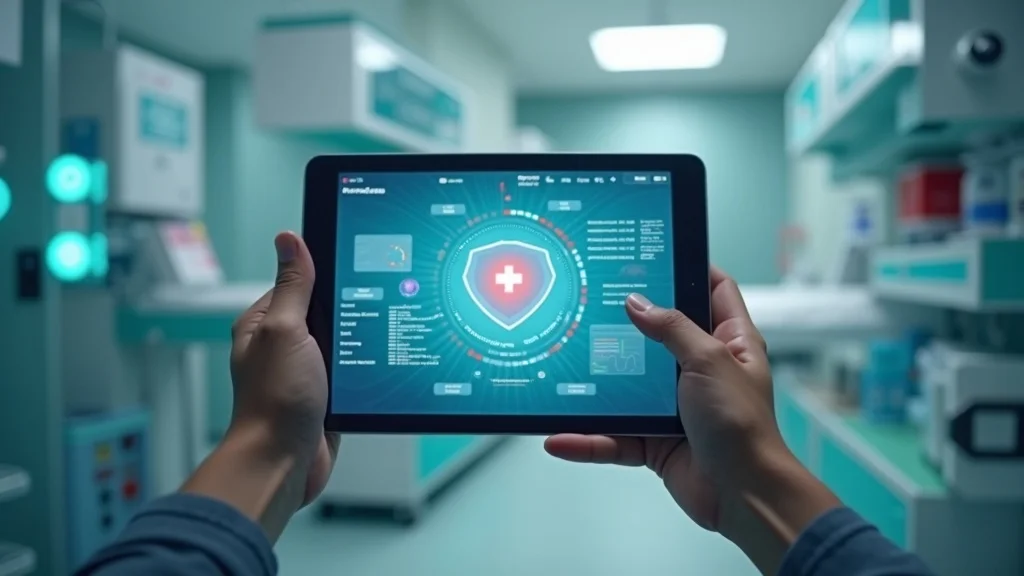
Overcoming Common Obstacles: Staffing, Burnout, and Workflow Design
Success hinges not only on technology, but on a durable, human-centered workflow. Even the most advanced systems can falter if your team isn’t set up for sustainable on-call coverage. Unchecked, the demands of round-the-clock response can breed staff burnout or inconsistent service, compromising the patient experience. Leading practices mitigate these risks by rotating after-hours call schedules, integrating care navigators or nurse triage support, and using decision support tools to standardize response.
Administrative checklists, ongoing simulation training, and clear escalation maps help ease confusion on both sides of the line. Remember, 24/7 emergency assist is only valuable if patients and staff feel confident using it correctly. Learned from cautionary tales: failing to invest in adequate team training, or letting a single clinician carry the load 365 days a year, can quickly lead to turnover and liability headaches. Instead, prioritize scalable workflows and foster psychological safety for your team—paving the way for truly resilient, patient-centered care.
Comparing Emergency Access Models |
|||
Feature |
24/7 Hotline |
Text-Based Assist |
In-App Emergency Services |
|---|---|---|---|
Immediate Triage |
✓✓✓ |
✓✓ |
✓✓✓ |
Integration with EHR |
✓ |
✓ |
✓✓✓ |
Real-Time Physician Contact |
✓✓✓ |
✓ |
✓✓✓ |
Communicating the Value of 24/7 Emergency Access to Patients
As a practice leader, it’s not enough to build world-class emergency assist systems—you must educate your patients clearly on how (and when) to use them. Start with stories: sharing examples of how 24/7 access has made a difference is often more persuasive than any technical feature list. Outline all main contact emergency options—hotline numbers, app access, after-hours phone call lines—and demonstrate the “when to use what” through patient onboarding materials and follow-up visits.
Transparency about boundaries and response criteria prevents confusion and misuse. For instance, clearly state which types of outpatient services are best handled during regular hours, and which situations call for the “emergency assist” or contacting emergency services. Use lists, FAQs, and scenario-based education to set realistic expectations. When practices proactively teach their community, patients feel respected, anxiety is reduced, and clinicians can focus on delivering the right level of care at the right time.
-
Tips for Educating and Setting Expectations
Share sample patient scenarios demonstrating difference with 24/7 support
List main emergency contact options and instructions
Make response criteria and boundaries clear up front

People Also Ask: Key Concerns About 24/7 Emergency Access
What to call when it's not an emergency?
Understanding Triage: Differentiating Routine Outpatient Services from True Emergencies
When something feels urgent but isn’t life-threatening, patients often wonder which line to call. For most outpatient services and routine medical questions (such as prescription refills, minor symptom checks, or appointment scheduling), it’s best to use your practice’s standard main line, patient portal, or text-based support tool—not the “emergency assist” button. Top practices educate patients on using crisis phone options like the crisis phone line for Franklin County for true after-hours mental health or substance use crises, while all routine matters should wait for business hours or use designated non-emergency channels. This triage approach ensures critical resources are available for real emergencies, preserving rapid access for those who truly need it.
What if I accidentally trigger emergency Assist?
Managing Accidental Emergency Calls: Protocols and Patient Reassurance
Mistakenly hitting the “emergency assist” feature is more common than you’d think. Reassure your patients that it’s okay—your team has protocols to quickly verify and de-escalate false alarms, whether via a short phone call or video check-in. Most systems allow staff to discreetly confirm a member’s status and offer reassurance, redirecting the concern to standard outpatient services if no emergency is present. Educate your members that there is no penalty or judgment—encouraging them to use, rather than avoid, the service when unsure. Over time, regular training and communication by your crisis lifeline or access team helps limit confusion and maintain positive patient relationships.
Short explainer animation: A scenario of a patient using an emergency access feature for reassurance, transitioning to a relaxed interaction with staff who clarify situation via video chat and infographic overlays. Scenes include digital dashboard close-ups, friendly faces, and protocol demonstration, paced for clarity and accessibility.
How do I disable quick access to an emergency call page?
Setting Up and Adjusting Emergency Access Settings in Patient Portals
Some patients prefer to limit access to “emergency assist” in their profile for privacy, security, or out of concern for accidental taps. Most modern patient portals and apps allow you to customize emergency access settings—either by toggling features off, setting access to require double confirmation, or hiding specific buttons. Encourage members to review these settings periodically, and provide guides for making adjustments. As part of your privacy policy and onboarding process, explain that disabling quick-access features may change how rapidly help can be reached during an actual crisis, and offer assistance in finding the safest setup for each member’s needs.
How to quickly call an emergency contact?
Easy Steps for Patients: Adding and Using Emergency Contacts Via Emergency Assist Tools
For peace of mind, most emergency assist tools let patients add direct emergency contacts—family, caregivers, or trusted friends—who can be reached with a single tap in an emergency. Walk every new member through how to add or update these contacts in their patient portal or app. Typically, this involves logging in, scrolling to the emergency settings area, and either selecting from saved contacts or entering a new phone number. During drills and annual check-ins, remind patients to check that emergency contacts are current and reachable. Quick access to a personal support network—alongside your clinical team—can be lifesaving, especially for those at risk for emotional distress, crisis attention, or with complex health needs.
FAQs About 24/7 Emergency Access for Concierge Practices
What are typical response times for 24/7 emergency access?
Best-in-class practices answer most urgent calls within 60 seconds, and route non-critical queries for same-day follow-up during standard hours. Protocols are in place for rapid escalation to emergency services if needed.Can 24/7 emergency access add legal risk for a practice?
If not implemented thoughtfully—with clear documentation, boundaries, and privacy policies—around-the-clock access can introduce new liability concerns. Consult legal counsel and risk management experts to set safe, compliant protocols.How do I balance 24/7 care with staff well-being?
Rotate on-call schedules, leverage triage staff, and be transparent about expectations. Prioritize burnout prevention and invest in workflow automations to keep your team healthy and supported.What technology partners support best-in-class emergency assist?
Leading options include integrated EHR/telehealth vendors, custom practice apps, and specialized emergency assist providers. Choose partners attuned to both patient experience and healthcare compliance.
Key Takeaways: Getting the Most from 24/7 Emergency Access
24/7 emergency access is a top differentiator for membership-based care
Implementation requires careful investment in people and tools
Ongoing staff training and clear patient education prevent frustration and misuse

Ready to Reap the Benefits of 24/7 Emergency Access?
Connect with the Concierge Health Hub to Learn About Next Steps for Your Practice
Done thoughtfully, 24/7 emergency access transforms patient experience, enhances safety, and strengthens loyalty to your practice. If you’re ready to elevate your care model with proven, patient-centric emergency assist solutions, reach out to the Concierge Health Hub today to learn how you can get started. Your patients—and your team—deserve the peace of mind that comes with true round-the-clock support.
If you’re interested in exploring the broader impact of concierge medicine on patient well-being and financial security, there’s even more to uncover. Understanding how membership-based care can help families navigate the challenges of rising healthcare costs is essential for building a resilient practice and a healthier community. For a deeper dive into strategies that address both medical and economic concerns, take a look at this comprehensive overview on the impact of rising medical expenses on households and how concierge practices can help. By connecting the dots between access, affordability, and patient satisfaction, you’ll be better equipped to deliver value-driven care that stands out in today’s evolving healthcare landscape.
Incorporating 24/7 emergency access into your practice can significantly enhance patient satisfaction and safety. For instance, the article “Concierge Medicine for Patients | PartnerMD – 30-Min Appointments & 24/7 Access” highlights how practices offering round-the-clock availability and same-day or next-day appointments foster stronger doctor-patient relationships and provide timely care. (partnermd.com) Similarly, “Concierge Medicine Pros and Cons: What You Need to Know in 2025” discusses the benefits of immediate access to physicians, emphasizing how such availability can prevent minor issues from escalating into major health problems. (primary-md.com) If you’re serious about elevating your practice’s responsiveness and patient trust, these resources offer valuable insights into implementing effective 24/7 emergency access.





Write A Comment