


Are you confident you’d recognize the signs of a true medical emergency—or act quickly enough when every minute counts? Understanding when and how to seek urgent medical attention isn’t just vital for patients; it can mean the difference between life and death for your practice and your team.
In fast-paced concierge and membership-based primary care settings, the ability to respond swiftly and accurately to urgent medical situations defines both your practice’s reputation and patient outcomes. For practice leaders, understanding the triggers for urgent medical attention, streamlining clinic protocols, and preparing your team to act fast isn’t just about compliance—it’s about saving lives and offering a level of care that sets your service apart. This comprehensive guide cuts through the noise with clear explanations, real-world steps, and actionable checklists to help you, your staff, and your patients navigate urgent scenarios with confidence.
Are You Prepared for Urgent Medical Attention?
“Am I recognizing the signs of a true emergency—or could I be acting faster? Knowing when and how to seek urgent medical attention saves lives.”

What You'll Learn in This Guide to Urgent Medical Attention
The definition and scope of urgent medical attention
Types of care centers and when to choose each
Action steps for practice leaders and patients
Best practices for communicating urgent needs
Understanding Urgent Medical Attention: Key Definitions and Scope
What is Urgent Medical Attention?
Urgent medical attention is prompt intervention for health conditions that pose a risk of rapid progression or life-threatening deterioration if not addressed immediately. Unlike routine medical care—which encompasses scheduled check-ups, preventive screenings, and chronic disease management—urgent scenarios demand immediate evaluation. Examples include acute illnesses (like severe infections), traumatic injuries, sudden shortness of breath, uncontrolled bleeding, or intense, unexplained pain. For concierge practices, it’s critical to distinguish these scenarios from non-urgent needs to streamline triage and ensure appropriate resource allocation. Fast identification of urgent medical attention needs not only saves lives, but also builds trust with patients who expect responsive, high-quality medical services as part of your value proposition.
The time window for urgent medical care is narrow; delays can lead to significant complications or disability, especially in cases of suspected stroke, heart attack, severe allergic reactions, or traumatic injuries. As a practice leader or administrator, it’s essential to educate both patients and staff on what constitutes a true medical emergency versus a condition that can await a routine appointment. Examples of urgent medical attention needs include sudden chest pain suggestive of a heart attack, difficulty breathing, head trauma with loss of consciousness, severe abdominal pain, uncontrolled vomiting, or any sudden weakness or numbness. Having clear, shared definitions and protocols within your team makes the difference between confusion and rapid, life-saving action.

Urgent Care vs Emergency Room: Which Is Right for Your Situation?
Choosing between an urgent care center and an emergency room can be confusing for both patients and staff. Urgent care clinics are typically standalone facilities or care centers within medical offices that can quickly evaluate and treat non-life-threatening medical issues such as minor fractures, sprains, minor infections, and moderate asthma attacks. They bridge the gap between primary care and the emergency department, offering extended hours, shorter wait times, and efficient care for non-critical problems. They are ideal for situations where a medical condition cannot safely wait for a primary care appointment but does not rise to the level of life-threatening emergencies.
Emergency rooms and emergency departments—often located within hospitals—are designed to handle the most severe, complex, or rapidly evolving health crises (e.g., heart attacks, severe trauma, neurological emergencies, and uncontrolled bleeding). These facilities are staffed with emergency medicine physicians, advanced nurses, and specialty teams, and are equipped with comprehensive diagnostic and treatment equipment. Practice protocol should include triage guidelines and staff education on the differences between urgent care and emergency room situations. Knowing when to escalate a patient to the emergency department, versus directing them to an urgent care clinic or managing in-house, minimizes unnecessary risk and ensures optimal use of resources.
Comparison Table: Urgent Care vs Emergency Room vs Primary Care
Type of Care |
Appropriate For |
Common Examples |
Staffing & Resources |
Availability |
|---|---|---|---|---|
Primary Care |
Routine & preventive health needs; ongoing management of chronic conditions |
Annual check-ups, vaccinations, minor illnesses |
Primary care providers, nurse practitioner, basic diagnostics |
Office hours, appointments needed |
Urgent Care |
Non-emergency medical problems needing quick attention, after hours |
Sprains, minor fractures, moderate asthma, infections |
Physician/NP/PA, rapid x-ray, point-of-care labs |
Extended hours, walk-in welcome |
Emergency Room |
Severe, life- or limb-threatening emergencies |
Heart attack, stroke, severe trauma, uncontrolled bleeding |
Emergency medicine team, specialists, advanced diagnostics |
24/7/365, no appointment needed |
How to Recognize When Urgent Medical Attention Is Needed
Recognizing the need for urgent medical attention starts with knowing the most critical symptoms. These include sudden, severe chest pain (potential sign of a heart attack), difficulty breathing or shortness of breath, sudden weakness or numbness on one side of the body (possible stroke), uncontrolled or severe bleeding, deep wounds, major head trauma, or persistent seizures or convulsions. Additional serious indicators include new confusion, inability to speak or move, sudden vision loss, severe abdominal pain, or signs of shock (pale skin, rapid pulse, fainting). Patients, staff, and care providers in concierge settings must remain vigilant for these symptoms to ensure they are acted upon immediately.
The importance of urgency cannot be overstated: acting within minutes during emergencies like heart attacks or strokes often determines survival and long-term outcomes. As one expert notes:
"Acting quickly in the first moments of a crisis is critical—delays cost precious minutes."
Training your team and educating patients on identifying these warning signs is a cornerstone for all membership-based practices. Protocols must clearly outline escalation steps for each scenario, including when immediate transfer to an emergency department is required and when urgent care clinics may suffice. See the table below for a concise summary of key signs indicating urgent medical attention.
In addition to recognizing symptoms and acting swiftly, it's important for practice leaders to stay informed about broader healthcare compliance and risk management issues. For example, understanding the implications of recent Medicare fraud allegations involving UnitedHealthcare can help your team reinforce ethical standards and maintain trust during urgent care scenarios.

Table: Signs and Symptoms Indicating Urgent Medical Attention
Symptom |
Potential Condition |
Recommended Action |
|---|---|---|
Sudden chest pain, pressure, or discomfort |
Heart attack |
Call 911, Emergency Room |
Shortness of breath, difficulty breathing |
Asthma, allergic reaction, heart failure |
Emergency Room or Urgent Care if less severe |
Severe bleeding, uncontrolled blood loss |
Trauma, internal injury |
Emergency Room |
Sudden weakness, numbness, difficulty speaking |
Stroke |
Call 911, Emergency Room |
Severe allergic reaction (swelling, hives, trouble swallowing) |
Anaphylaxis |
Call 911, Emergency Room |
Severe abdominal pain with vomiting or rigidity |
Internal organ emergency |
Urgent Care or Emergency Room |
Your Action Plan: Steps to Take During a Medical Emergency
During a medical emergency, time is of the essence. First, assess the severity: if the patient is unconscious, having trouble breathing, showing signs of heart attack or stroke, or experiencing uncontrollable bleeding, immediately call 911. For less severe but urgent issues (such as minor fractures or moderate asthma attacks), driving to an urgent care clinic or care center may be appropriate. For concierge and membership practice staff, training should include a clear, step-by-step escalation protocol: Do not delay emergency response waiting for provider callback or administrative clearance.
If you need to contact emergency services, have key information at the ready: patient’s full name, age, a concise description of the symptoms, timeline of events, underlying medical conditions, medication list, and any relevant allergies. Practice teams should keep a standard checklist by the phone or in the EMR for rapid reference. Effective communication between administrative and clinical staff, and with emergency personnel, saves precious time and avoids treatment delays. As part of your membership practice model, educate patients and families on your protocols—make sure they know when to contact your office, when to go straight to the emergency department, and what to expect if triage is needed.

Navigating the Healthcare System: Choosing the Right Care Center
Types of Urgent Care Centers and Clinics
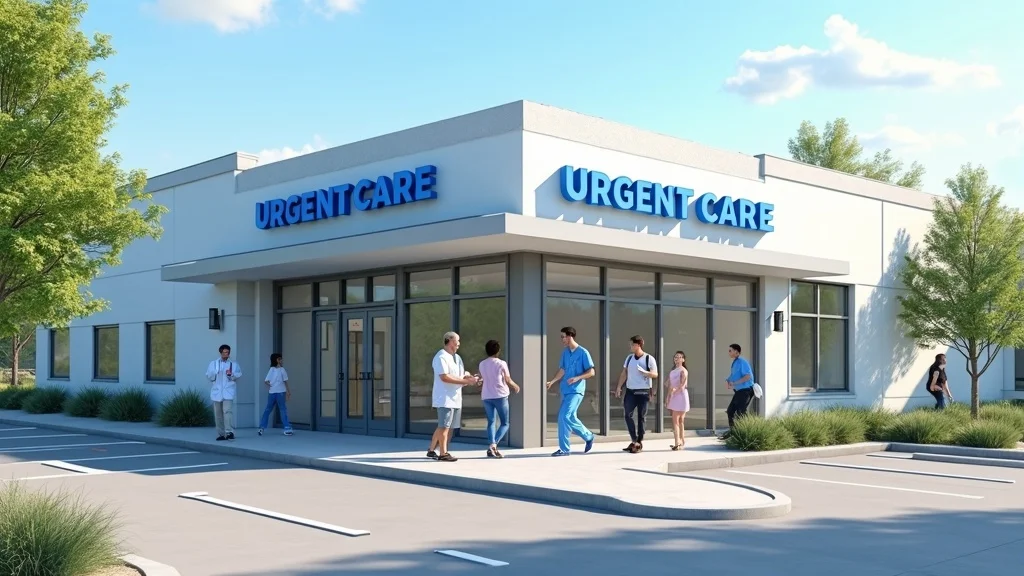
The healthcare landscape offers a spectrum of options for urgent care, making it crucial for both practice leaders and patients to understand which setting matches each scenario. Standalone urgent care clinics are increasingly common in urban and suburban areas; they provide rapid evaluation and treatment for acute medical needs, outside of regular office hours, and without appointments. These clinics bridge the gap between primary care and emergency rooms, offering shorter wait times for minor illness or injury. Hospital-affiliated urgent care centers may offer a broader range of services, easier referral to specialists, and faster escalation to the emergency department if a situation worsens.
For membership-based or concierge practices, after-hours primary care options—such as extended evening or weekend clinics—add value by reducing unnecessary ER visits and improving patient satisfaction. Educating members about the distinctions between these care settings, and when to use each, helps streamline utilization and ensures resources are allocated efficiently. Administrative and clinical teams must stay up-to-date with local care clinics, know their capacity, typical wait time, and insurance acceptance to guide patients confidently during urgent situations.
Role of Emergency Departments and Emergency Rooms
Emergency departments (EDs) and emergency rooms (ERs) are the highest-level safety nets for health care crises—staffed 24/7 with emergency medicine physicians, specialty nurses, and all-encompassing diagnostic and surgical resources. Patients who face life-threatening, complex, or rapidly deteriorating conditions must bypass lower-level care clinics and proceed directly to the ED. While urgent care can efficiently manage many acute minor illnesses and injuries, severe trauma, heart attacks, major strokes, complicated fractures, and any condition with risk of imminent death require the resources and expertise only found in hospital emergency departments.
For concierge practices, establishing clear lines of communication with your local hospital emergency department can expedite patient transfer, minimize downtime in critical handoffs, and ensure you can provide follow-up care. Operationally, practice leaders should ensure that after-hours and on-call protocols emphasize timely escalation to emergency rooms when criteria are met. Thorough documentation of transfer decisions, real-time alerts to the care team, and debriefs after acute events improve both outcomes and your reputation for decisive, responsive care.
Best Practices for Practice Leaders: Managing Urgent Medical Attention in Concierge Care
Proactive leadership is the hallmark of outstanding concierge medical care. Start with a clear patient communication protocol: use multiple channels (phone, secure portal, email) to inform members about how to reach your team and what constitutes urgent medical attention. Develop—and rehearse—standard operating procedures (SOPs) for phone triage, escalation, and after-hours response. Training sessions and simulations equip your administrative staff, medical assistants, nurse practitioners, and physicians to react in sync, minimizing errors or confusion during real emergencies.
Build urgent response team training into ongoing professional development. Incorporate urgent medical attention scenarios in quarterly drills, solicit feedback on gaps, and refine checklists after each real-life event. As you shape your membership model, highlight your investment in rapid-access urgent care: offer VIP phone lines, personalized action plans, and guidance for families. Take an “always prepared” posture—not just for routine medical care but for acute crises as well.
“The real differentiator in membership models is proactive, accessible urgent care—not just routine checkups.”
Integrated urgent care protocols not only add tangible value for patients, but also support practice sustainability. Member satisfaction, referral growth, and liability risk are all directly linked to your ability to manage urgent medical attention skillfully. Make this a visible cornerstone of your practice marketing and operational messaging.
Watch: Animated Explainer—Urgent Care Center vs. Emergency Department
Frequently Asked Questions About Urgent Medical Attention
What qualifies as urgent medical attention in a concierge setting?
Urgent medical attention in concierge medicine involves situations where a patient's condition—such as new chest pain, severe injury, or sudden loss of function—cannot safely wait for the next scheduled visit. It means rapid assessment and intervention are needed to prevent further harm, distinct from ongoing or routine care.
How do urgent care clinics differ from primary care?
Urgent care clinics offer walk-in treatment for acute, non-life-threatening medical issues without appointments, focusing on efficiency and after-hours access. Primary care centers manage both routine and chronic health conditions, usually by scheduled appointments, emphasizing continuity and preventive medicine.
How can administrative staff support rapid response?
Administrative staff play a vital role by screening calls, activating urgent protocols, preparing patient information, alerting clinical teams, handling logistics (e.g., calling ambulances), and maintaining communication with families. Effective training and clear checklists empower staff to be confident and decisive during urgent medical attention scenarios.
People Also Ask: Key Questions About Urgent Medical Attention
What is the meaning of urgent medical attention?
Urgent medical attention refers to immediate intervention for health conditions that could worsen or become life-threatening if not addressed quickly. This can include acute injuries, severe pain, or sudden illness, distinct from routine or preventive care.
What is considered medically urgent?
Medically urgent conditions often include symptoms such as chest pain, extreme shortness of breath, uncontrolled bleeding, or signs of stroke. These situations require prompt assessment and intervention, often at an urgent care center or emergency department.
What is immediate medical attention?
Immediate medical attention means seeking help without delay—such as calling 911—when symptoms are severe, life-threatening, or rapidly worsening. Emergency departments and urgent care clinics are equipped for immediate triage.
What conditions require immediate medical attention?
Conditions like suspected heart attack, stroke symptoms, difficulty breathing, severe allergic reactions, head trauma, uncontrolled bleeding, and seizures all require immediate medical attention at an emergency room or urgent care clinic.
Key Takeaways for Urgent Medical Attention in Concierge Practice
Recognize symptoms—and act quickly
Choose the right care center for the situation
Prepare your team and patients for urgent scenarios
Build streamlined communication and protocols
Ready to Improve How Your Practice Handles Urgent Medical Attention?
Audit your urgent care protocols now—our guide shows you where to start and what to improve, so every minute counts when patients need urgent medical attention.
Concierge and membership health practices that proactively prepare for urgent medical attention—by training staff, educating patients, and streamlining protocols—deliver the fast, effective care that saves lives and strengthens patient loyalty.
As you continue to refine your urgent care protocols, remember that staying ahead in healthcare also means being vigilant about industry trends and regulatory challenges. Exploring topics like the impact of Medicare fraud investigations on practice operations can provide valuable perspective for safeguarding your business and maintaining patient trust. For a deeper dive into how recent events are shaping the healthcare landscape and what proactive steps practitioners can take, consider reading our analysis on allegations of Medicare fraud by UnitedHealthcare. Gaining insight into these broader issues will empower your team to deliver not only urgent medical attention, but also ethical, resilient care in a rapidly evolving environment.
Understanding when and how to seek urgent medical attention is crucial for ensuring timely and effective care. For a comprehensive overview, the article “When to use the emergency room - adult” from MedlinePlus provides detailed guidance on recognizing medical emergencies and deciding between urgent care and emergency department visits. (medlineplus.gov) Additionally, the “Emergency Department Tips” page by WakeMed offers practical advice on preparing for emergency visits and understanding when to seek immediate medical attention. (wakemed.org) These resources can help you make informed decisions during critical situations.





Write A Comment