


Did you know over 60% of urgent care visits occur after traditional office hours? This striking statistic reveals why 24/7 doctor availability is more than a convenience—it's redefining what it means to deliver patient-centered, virtual care for modern practices and discerning patients.

Unlocking 24/7 Doctor Availability: Why On-Demand Care Matters
Across the country, innovative concierge and DPC (Direct Primary Care) practices are proving that 24/7 doctor availability isn’t just a patient perk—it’s an operational game-changer. The modern patient expects health care to adapt to their unpredictable schedules. Whether it’s an infant’s late-night fever, a traveling executive’s sudden illness, or continuous support for a chronic condition, quality medical care no longer fits within 9-to-5 boundaries. By offering round-the-clock virtual care and video visits, practices improve access, cut down unnecessary urgent care or ER visits, and vastly increase patient satisfaction and membership retention.
Take a close look at the trends: membership models with 24/7 care visit options consistently report higher retention rates and word-of-mouth growth. It’s not only about access; it’s about trust—patients know their care provider is available when it counts most. Frontline experiences from both clinicians and practice leaders report fewer administrative headaches due to streamlined workflows, proactive communication, and the ability to support mental health, urgent care, or chronic conditions in real-time. The result is a patient experience that feels personal, responsive, and evidence-based—with technology elegantly connecting every step of the journey.
For practices looking to further streamline urgent care and after-hours support, exploring the operational differences between traditional on-call systems and modern virtual visit solutions can provide actionable insights. Discover practical strategies for optimizing after-hours workflows and enhancing patient access in our guide to how concierge practices can help households manage rising medical expenses.
What You'll Learn About 24/7 Doctor Availability and Virtual Care
How 24/7 doctor availability boosts patient satisfaction and retention
The technology behind seamless virtual care and virtual visits
The role of urgent care and primary care in concierge and DPC models
Comparison: traditional on-call systems vs. modern virtual visit solutions
Practical steps to implement or improve 24/7 doctor availability in your practice
How 24/7 Doctor Availability Transforms Virtual Care for Membership Practices
From Urgent Care to Video Visit: Meeting Patients Where and When They Need Care
One of the defining shifts in health care has been the move from physical urgent care clinics to flexible virtual care platforms. With 24/7 doctor availability, your patients can initiate a video visit in the evening, on weekends, or from another time zone—eliminating care gaps and ensuring essential issues are addressed promptly. This accessibility is a major draw for membership models and concierge practices, where personalized attention and continuity are core promises. Real-time connections allow for dynamic adjustments to treatment plans, timely management of acute issues, and even medication e-prescribing after hours, positioning your practice as a true health partner, not just a care provider.
In addition, integrated care workflows allow for seamless hand-offs between virtual urgent care and primary care providers. Members no longer need to “start over” with each visit—clinicians have real-time access to histories and prior notes, enabling more informed, patient-centered decisions. For patients experiencing mental health concerns or chronic condition flare-ups, immediate access to a qualified provider or licensed therapist isn’t a luxury—it’s often the difference between a manageable episode and an escalation to emergency care.
Virtual Visits: Expanding Access to Quality Health Care Night and Day
The convenience and reliability of virtual visits empower practices to deliver proactive and continuous care far beyond the reach of traditional in-person appointments. Especially in today’s digital-first environment, patients want to know that their urgent care needs will be met promptly, no matter the time. Membership-based practices can leverage secure telehealth platforms for video visits with primary care doctors, nurse practitioners, or even specialty providers. This model supports everything from rapid diagnosis of sinus infections to ongoing management of blood pressure, mental health, and other chronic conditions.
The practical impact? No late-night drives to the ER for non-emergencies, clearer communication about after-hours care policies, and a demonstrated commitment to comprehensive patient support.
Comparing After-Hours Coverage Options: Traditional On-Call vs. 24/7 Doctor Availability Virtual Care
Coverage Model |
Patient Experience |
Physician Workflow |
Common Limitations |
|---|---|---|---|
Traditional On-Call System |
Lengthy wait times, non-urgent issues deferred, voice-only calls, fragmented communication |
After-hours paging, triage by call center, delayed responses, limited documentation |
Lack of EMR integration, no face-to-face care, inconsistent follow-up |
24/7 Doctor Availability & Virtual Care |
Immediate video/text response, access to records, seamless urgent and primary care, true patient-centric experience |
Synchronized workflows, automated triage, direct EMR updates, reduced burnout |
Requires robust tech investment, must maintain compliance & quality assurance |
The Patient Experience: What 24/7 Doctor Availability Means for Your Members
No More Waiting Rooms: Reducing Delays with Virtual Care and Urgent Care Access
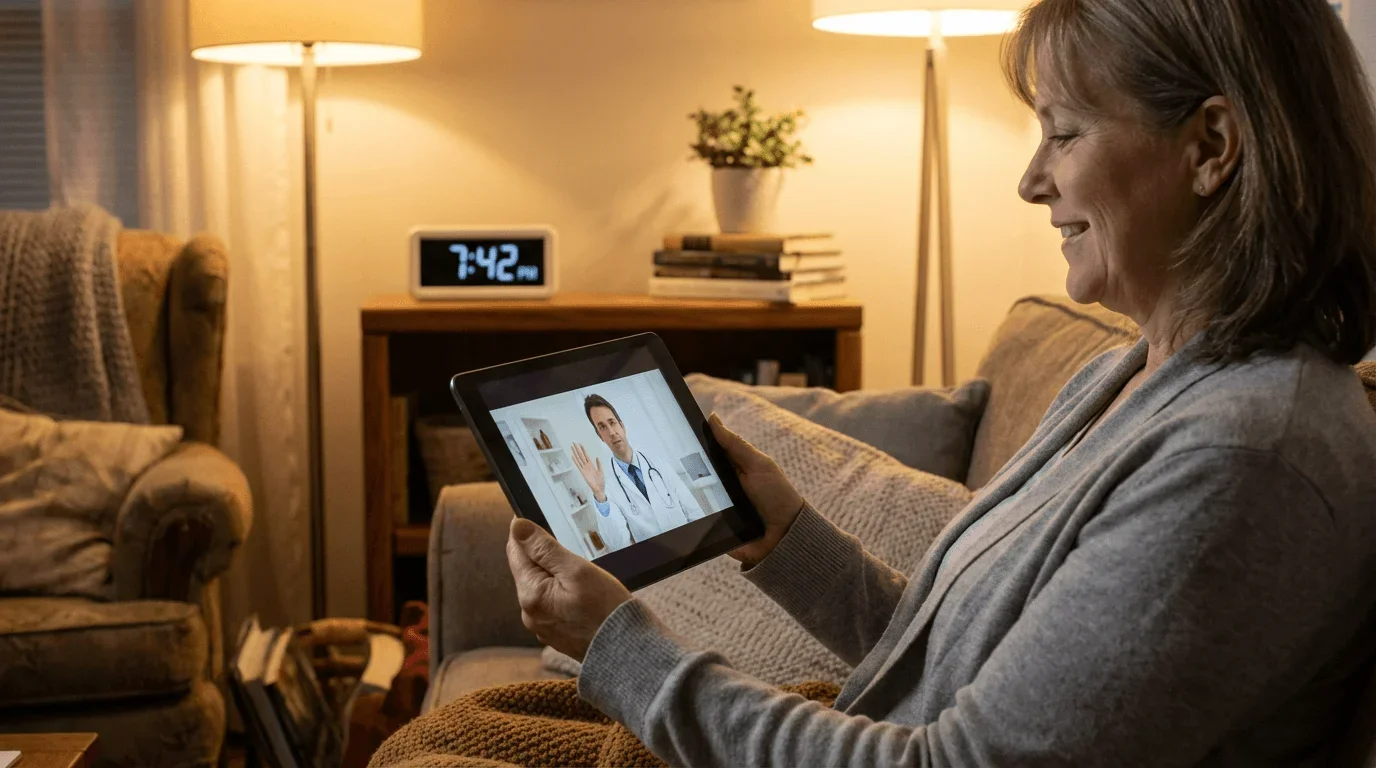
Nothing erodes patient satisfaction faster than long, uncertain waits. 24/7 doctor availability eliminates the pain of traditional waiting rooms and after-hours uncertainty. Members can initiate a virtual care session from their living room or while traveling, knowing a trusted care provider will answer promptly. This innovation not only reduces anxiety and unnecessary urgent care visits, it lets patients feel genuinely heard and empowered in their care journey. Frequent, convenient video visits foster deeper physician-patient relationships and drive stronger retention than any advertising campaign ever could.
Additionally, the ability to address minor health concerns quickly—like sore throats, medication questions, or mental health follow-ups—ensures patients aren’t left searching for care or risking a condition becoming more serious. The perception of value and genuine care extends long after the visit ends, making word-of-mouth referrals and family membership growth a natural byproduct of your 24/7 care model.

Care Visit Continuity: Ensuring Consistent Health Care Across Time Zones
For high-mobility patients, including executives, snowbirds, or families across multiple locations, care visit continuity is often impossible in the traditional health care model. With 24/7 doctor availability, patients receive consistent care, follow up on treatment plans, and update chronic condition management—regardless of their time zone. All communication, from urgent care consults to primary care check-ins, is documented and available for future reference in the electronic medical record (EMR).
This seamlessness enables deeper clinical insight, fewer gaps in follow-up, and increased safety when coordinating medications or specialty referrals. Licensed therapists and nurse practitioners can also participate in care teams, ensuring patients receive multidisciplinary support. For practices, this creates new opportunities to serve a wider membership base, break down barriers to care, and deepen brand trust in a competitive health care market.
Supporting Mental Health and Chronic Conditions with 24/7 Access
Membership medicine isn’t just about convenience; it’s about addressing patients’ full spectrum of needs. Mental health concerns, chronic illness flare-ups, or urgent questions about a treatment plan rarely happen on a schedule. With access to licensed therapists, nurse practitioners, and primary care providers day or night, patients feel genuinely supported in a way that standard health plans and urgent care chains simply cannot match.
Whether it’s a late-night anxiety trigger or a sudden spike in blood pressure, the ability to engage a qualified care provider provides peace of mind and improved health outcomes. Every care visit, even those after hours, is an opportunity to earn trust, document valuable information, and help patients stick to their individualized treatment plans. This holistic, responsive approach is why so many patients are not just signing up for, but actively recommending, membership-based virtual care solutions.
"As a concierge physician, you don't just promise better care—you deliver it anytime, from anywhere. That's the true power of 24/7 doctor availability."
The Business Impact: Retention, Growth, and the Value of Always-On Virtual Care
Membership Magnet: Why 24/7 Doctor Availability Drives Sign-Ups and Loyalty
Today’s patients are increasingly savvy—they compare health service offerings, seek word-of-mouth reviews, and expect their membership to deliver tangible, ongoing value. Practices that promote 24/7 doctor availability consistently see higher sign-up rates, longer membership retention, and increased family enrollments. The assurance that urgent care, mental health, or primary care concerns will be addressed immediately, at any hour, shifts your value proposition from “convenient” to “essential.”
Real-world membership data highlights dramatic drops in ER diversion rates and urgent care usage, as more patient needs are resolved by familiar, trusted providers via virtual visit technologies. This not only strengthens the patient-practice bond but also empowers practices to grow through referrals, testimonials, and positive online reviews. In a marketplace full of choices, always-on access is a competitive advantage that’s impossible for “appointment-only” practices to replicate.
Reducing Burnout: Smart Workflows for After-Hours Virtual Visits in Concierge Health Care
Continuous availability doesn’t have to mean clinician exhaustion. Practices can design smart after-hours workflows using automated triage, team-based care, and technology integrations to distribute urgent care and follow-ups across the team. Clear protocols and scheduling platforms ensure that primary care providers, nurse practitioners, and even licensed therapists share the load equitably—supporting both patient needs and staff well-being.
Automated documentation, direct EMR integration, and seamless care coordination reduce the administrative burden, freeing clinicians to focus on quality care rather than paperwork or phone tag. The end result: a happier care team, fewer errors, and a sustainable 24/7 model that supports long-term business growth instead of burnout.

Insurance Coverage, Liability, and Compliance: Key Considerations for 24/7 Medical Care
Expanding into 24/7 virtual care introduces new considerations around insurance coverage, liability, and documentation. Practices must review their insurance plans to ensure after-hours services, urgent care visit liability, and telehealth documentation are covered adequately. Proper protocols should be set up for secure EMR access, HIPAA-compliant video visits, and secure communications—even when consultants, licensed therapists, or nurse practitioners are supporting care after hours.
Proactive communication with patients about what types of care are available at night versus during office hours helps minimize confusion and set realistic expectations. Additionally, having clear guidelines for prescribing (e.g., controlled substances, antibiotics) ensures compliance with state and federal regulations while maintaining continuity of care and minimizing risk. Practices who handle these details upstream will not only protect their team but also build trust and credibility with members.
How to Implement 24/7 Doctor Availability in Your Practice
Choosing Technology Vendors for Virtual Care and Video Visits
Adopting a 24/7 availability model starts with technology. Choose virtual care and video visit platforms that offer seamless EMR integration, secure communication, and intuitive patient interfaces. Evaluate options based on clinical workflow support, compliance features, and scalability—selecting vendors aligned with your practice’s size and specialties. Prioritize platforms that facilitate scheduling across time zones, offer quick documentation, and support HIPAA-compliant messaging, ensuring every urgent care or chronic condition check-in is prompt and secure.
Seek peer reviews, request demos, and work with your IT team to configure integrations with existing systems. Many platforms now offer analytics so you can monitor patient engagement, response times, and satisfaction—metrics essential to optimizing your always-on model and tracking business impact over time.
Staffing Models: Leveraging Primary Care, Licensed Therapists, and On-Call Support
Successful 24/7 models require more than just technology; they depend on team-based workflows. Delegate overnight and weekend shifts across primary care providers, licensed therapists, and nurse practitioners to share coverage and prevent fatigue. Consider “virtual care pools”—a rotating group of on-call providers trained to deliver unified, empathetic care via video visits and secure messaging. Use data to adjust staffing patterns based on historical demand, chronic condition management needs, and patient demographics.
If your practice is just starting, pilot overnight or weekend coverage first, then expand to full 24/7 scheduling as workflows mature. Set clear expectations for response times, escalation pathways, and clinical documentation, and ensure all providers are fully licensed in the states your members reside. This proactive approach not only protects your business but also delivers on the promise of comprehensive, always-available medical care.
Define your after-hours care policy and communicate it to patients
Evaluate telehealth/virtual visit software for seamless integration
Coordinate support from primary care and mental health professionals
Establish protocols for urgent care and chronic condition management
Monitor patient satisfaction metrics and adapt workflows

Real-World Outcomes: Case Studies in 24/7 Doctor Availability, Virtual Care, and Patient Satisfaction
"We saw a 30% drop in urgent care ER diversion after adding around-the-clock virtual care access." – Dr. T. Allen, Concierge MD
Consider the experience of high-performing concierge clinics: After implementing 24/7 availability transitions, some practices have reported immediate, measurable improvements in both patient outcomes and operational efficiency. Member feedback indicates that knowing a care provider is always accessible creates trust, reduces health anxiety, and encourages proactive outreach for both acute and chronic condition management. Practices note that streamlined virtual visits, continuous care visit documentation, and integrated systems foster loyalty and referrals—directly supporting long-term business goals.
Ultimately, the best results come from practices that align technology, operations, and care philosophy—transforming after-hours coverage from a stressful obligation to a true value proposition for members and clinicians alike.
People Also Ask: 24/7 Doctor Availability and Virtual Care
How can I get antibiotics out of hours?
With 24/7 doctor availability through virtual care or virtual visits, patients can consult with clinicians any time, including after hours. After an evaluation, if antibiotics are medically appropriate, an e-prescription can be sent to a local pharmacy—even outside traditional office hours.
How does a 24 hour doc work?
A 24-hour doctor service ensures a licenced physician or qualified provider is available to address patient needs through virtual care or video visits at any hour. This can include urgent care consults, primary care follow-up, and treatment plans for both acute and chronic conditions.
Is there a doctor I can talk to for free?
Some virtual care and telehealth platforms offer limited free consultations or mental health triage, depending on membership or insurance coverage. Concierge and DPC clinics typically include 24/7 access as part of their monthly or annual fees.
Are doctors on demand 24 hours?
With 24/7 doctor availability models, yes—patients can book urgent care, primary care, or mental health video visits around the clock, no matter where they are located.
FAQs: 24/7 Doctor Availability for Concierge and DPC Practices
Which health care services are most commonly accessed after hours with 24/7 doctor availability?
Many patients use after-hours care for acute concerns (like fever or minor injuries), urgent medication questions, mental health support between appointments, and chronic condition monitoring or flare-ups. Access to both urgent care and primary care providers ensures comprehensive coverage.
How does virtual care differ from a traditional urgent care visit?
Virtual care enables personalized, real-time assessment without travel or waiting rooms. Unlike urgent care clinics, your doctor can access your medical history, coordinate your treatment plan, and provide continuous follow-up—delivering a true patient-centered experience, especially for chronic conditions.
What’s the typical response time for a virtual visit in a membership-based practice?
Most concierge or DPC models guarantee rapid response—often under ten minutes for urgent concerns—compared to the hours or days typical of traditional health plans or on-call schedules.
How do you document and communicate after-hours virtual care visits securely?
Leading practices use integrated EMR platforms with secure messaging and video documentation. Every care visit—day or night—is time-stamped, shared with appropriate care team members, and stored in compliance with HIPAA and state/federal law.
Can 24/7 doctor availability support ongoing mental health and chronic condition management?
Absolutely. Access to primary care and licensed therapists means patients can check in about medications, symptoms, or emotional needs whenever necessary—strengthening adherence and early intervention for both physical and mental health concerns.
Key Takeaways: 24/7 Doctor Availability as a Competitive Edge
24/7 doctor availability transforms the patient experience and raises the bar for modern health care.
Comprehensive virtual care and video visits meet patient needs and boost membership retention.
Concierge practices see operational, clinical, and business value in adopting always-on availability.

Ready to Bring 24/7 Doctor Availability to Your Practice? Book a Demo and See How Seamless, Expert Virtual Care Feels
Ready to transform your practice and deliver truly patient-centered care? Book a demo with Concierge Health Hub today and discover the difference 24/7 doctor availability and streamlined virtual care solutions can make for your members, clinicians, and business.
If you’re interested in the broader impact of modern care models, consider how rising medical expenses are shaping household decisions and the role concierge practices play in providing relief. By understanding the financial pressures your patients face, you can better position your practice as a trusted partner in both health and financial well-being. Explore deeper insights and actionable strategies in our comprehensive analysis of the impact of rising medical expenses on households and how concierge practices can help. This perspective can empower your team to deliver not just convenience, but true value and peace of mind for every member you serve.
Incorporating 24/7 doctor availability into your practice can significantly enhance patient satisfaction and operational efficiency. For instance, MDLIVE offers on-demand access to board-certified physicians via phone or secure video, providing care for non-emergency conditions anytime, anywhere. (mdlive.com) Similarly, DrHouse provides virtual urgent care services, enabling patients to consult with doctors within minutes and receive prescriptions as needed, all from the comfort of their homes. (drhouse.com) By adopting such models, your practice can meet the modern patient’s expectations for immediate, accessible healthcare, thereby fostering trust and loyalty.





Write A Comment