


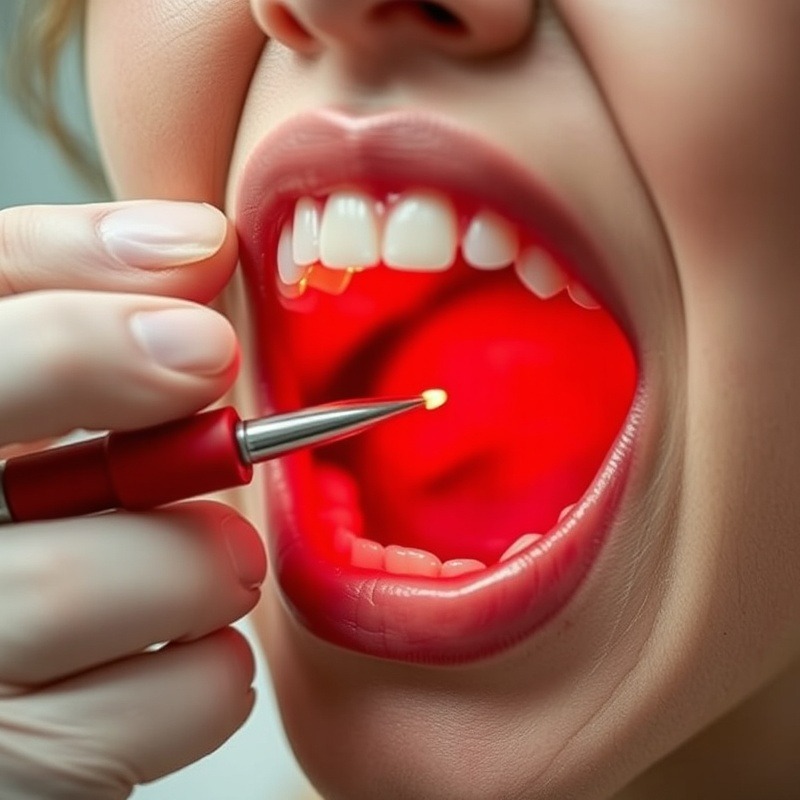
The New Frontier in Oral Cancer Detection
In a breakthrough development from the University of Liverpool, a new device known as the Liverpool Diagnostic Infrared Wand (LDIR Wand) has shown significant promise in revolutionizing the way oral cancer is detected. Designed for early-stage diagnosis, this innovative technology utilizes an advanced machine learning algorithm to analyze infrared spectral images of tissue samples, providing more precise prognosis predictions than conventional methods.
Description and Impact of the LDIR Wand
Developed by a team of physicists collaborating with the Liverpool Head and Neck Center (LHNC), the LDIR Wand goes beyond the traditional hematoxylin and eosin staining methods. With its ability to evaluate the percentage area of cancer present in a specimen, this device holds the potential to save lives and improve patient outcomes. The device can adjust the balance between sensitivity and specificity, making it a versatile tool in cancer diagnostics.
Addressing a Critical Need in Cancer Diagnosis
Annually, the U.K. sees over 12,000 new oral cancer cases, where early diagnosis is crucial. Existing methods rely heavily on biopsies, which are often subjective and time-consuming. As Professor Peter Weightman, a key figure behind the LDIR Wand, points out, “Our technology is poised to transform the current diagnostic, treatment, and prognosis landscape for oral cancer and potentially extend to other cancers that require biopsy analysis.”
The Journey from Concept to Prototype
This pioneering technology isn't just confined to oral cancer. According to Professor Richard Shaw of LHNC, the LDIR Wand addresses a significant challenge in head and neck cancer diagnosis. The device aims to provide clarity in situations where current methods may underestimate the cancer risk, helping clinicians make informed decisions and offer better patient reassurance.
Unique Benefits of Knowing This Information
For health practitioners and clinics, understanding the implications of the LDIR Wand can streamline diagnostic processes, reducing the time and resources usually spent on cancer diagnosis. This technology promises to enhance patient care by allowing for earlier and more accurate detection, opening the door to timely interventions.
Inspirational Quotes and Anecdotes
Professor Weightman reflects on the potential impact of their work, stating, “The funding we’ve received has been crucial. It has allowed us to not only develop a prototype but also envision a future where such technology is commercially available and life-saving.” His words underscore the importance of this advancement and its future implications in medical practice.





Write A Comment