


Did you know that in the United States, more than 145 million emergency department visits occur each year, with many being the difference between life and death? Behind each statistic is a patient, a family, and a practice making split-second decisions
Introduction: Why Emergency Care Services Matter—A Surprising Reality
“Seconds count in a medical emergency—knowing your options and how to respond makes all the difference.”
For clinicians in concierge, direct primary care (DPC), and membership-based practices, it’s easy to focus on relationship-driven, proactive care. Yet, when the unexpected strikes—a severe injury, chest pain, or mental health crisis—emergency care services become the true test of your health system’s preparedness and your practice’s protocols. In these acute care moments, delays can cost lives. Knowing not just when, but where and how to direct patients for timely, high-quality care is no longer optional—it’s a defining aspect of responsible, patient-first medicine.
Is your practice prepared to guide them? Are your team and patients protected from costly insurance pitfalls? This guide delivers actionable clarity on emergency response integration, so you’re not just reacting, but actively strengthening your practice’s safety net
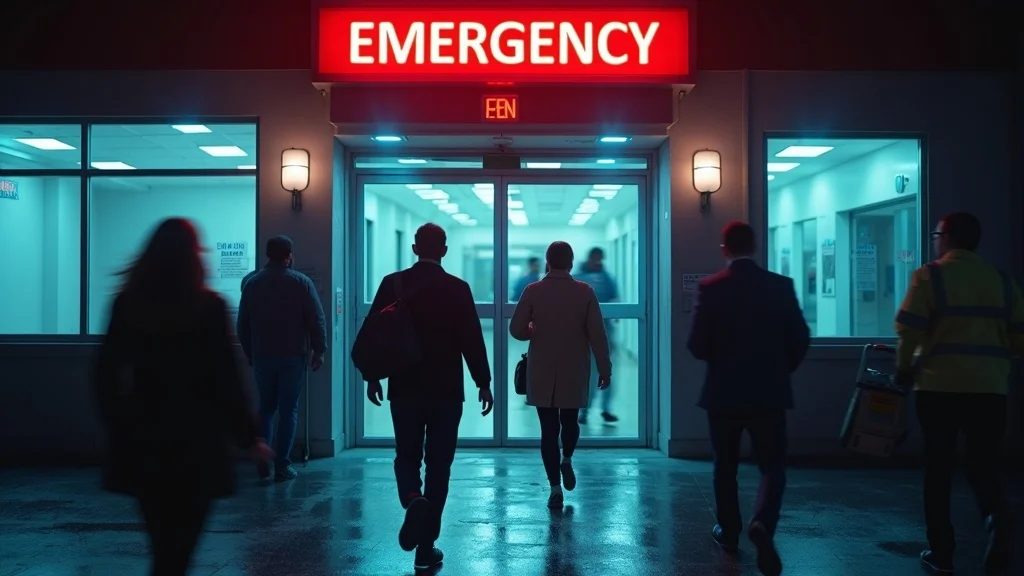
What You'll Learn in This Guide to Emergency Care Services
The definition and scope of emergency care services
Comparison of urgent care vs. emergency care
Core types of emergency care services available
Insurance and coverage essentials
Best practices for concierge and DPC practices
Critical decision-making in life-threatening scenarios
What Are Emergency Care Services?
At its core, emergency care services refers to the full spectrum of medical interventions focused on stabilizing patients facing sudden, life-threatening health conditions or injuries. Unlike scheduled visits or routine care, emergency care is about addressing the urgent—and often unpredictable—needs that require immediate attention. This includes traumatic events, severe chest pain, stroke symptoms, acute mental health crises, and other situations where delay can mean lasting harm or death.
For clinicians in concierge medicine or any health care system, understanding how emergency care services operate gives you an essential toolkit. You are not only the steady hand during calm times but the decisive guide when a crisis hits—ensuring your patients, staff, and network are ready to act fast and correctly for every acute care scenario.
Defining Emergency Care Services and Emergency Departments
Acute medical/surgical interventions: Immediate treatment for severe illnesses or trauma, ranging from cardiac arrest management to major injury repair.
Life-saving diagnostics: On-the-spot lab work, radiology, and bedside diagnostics to quickly clarify a diagnosis and guide lifesaving therapy.
Stabilization and triage: Prioritizing patients by severity of condition to allocate resources most effectively, often orchestrated in the emergency department (ED).
The emergency department (often called the emergency room, ER) is the main hospital-based setting where these high-stakes interventions unfold. Staffed by board-certified physicians, nurses, physician assistants, and a range of care professionals, EDs are designed to stabilize, triage, and route patients 24/7, integrating seamlessly with hospital trauma teams and specialty consults as needed. For DPC and concierge practices, building relationships with nearby ED emergency teams is a strategic lifeline—not just for routine operations, but for rare, critical moments.

Imagine a dynamic scene: Paramedics arrive at a home, rapidly assess a patient with chest pain, activate EMS protocols, and coordinate with the emergency department. In real time, these professionals work in sync from ambulance through ER triage, demonstrating the critical, choreographed nature of emergency care services.
People Also Ask: What is the Meaning of Emergency Care Services?
Emergency care services are a system of medical care focused on rapidly diagnosing, stabilizing, and treating individuals facing sudden and severe health conditions or injuries. This system includes hospital emergency departments, mobile EMS (such as ambulances), trauma centers, and sometimes crisis-focused behavioral health teams. The goal is to deliver immediate, potentially lifesaving medical care when ordinary appointment-based health care can’t wait. For patients and practices, emergency care services represent the bridge between life-threatening crisis and return to stability.
Emergency Care vs. Urgent Care: Key Differences for Concierge Practices
Mistaking urgent care for emergency care—or vice versa—can put patients at risk and create legal, financial, and reputational hazards for your practice. Emergency care services exist for conditions where every second matters, like a stroke, heart attack, or severe trauma. Urgent care clinics are ideal for treating minor injuries (like a minor cut), mild to moderate illnesses, or after-hours complaints that don’t threaten life or limb but need timely medical attention.
Concierge and DPC practices are uniquely positioned to educate their patients about these differences and create streamlined triage and referral protocols. If your team is not clear on which facility serves which need, time and money could be wasted—worse yet, outcomes could suffer. Training your front-line staff and patient base to recognize these distinctions ensures everyone responds efficiently and cost-effectively in high-stakes moments.
Understanding the nuances between emergency and urgent care is crucial, but it's equally important to recognize how financial barriers can impact timely access to high-cost treatments. For practices seeking to support patients through acute episodes, exploring patient financing options for high-cost care can be a valuable strategy to ensure no one delays essential interventions due to affordability concerns.
Understanding When to Use Emergency Care Services
Knowing when to send a patient to the ED versus urgent care hinges on recognizing severity. For symptoms such as chest pain, sudden loss of consciousness, severe difficulty breathing, or any sign of a stroke, the emergency department or calling 911 is always indicated. Lesser issues—like a minor cut, mild sprain, or low-grade fever—can often be managed at urgent care, saving patients and the health system critical resources. The right decision at the right time equates to safer care for every patient.
As a best practice, practices should maintain clear, visible lists or quick-reference guides for their front-line staff, along with easy-to-navigate resources for patients. Ensuring regular staff education about emergency room protocols and urgent care limitations is an investment in both medical safety and operational efficiency.
Comparison: Emergency Care Services vs. Urgent Care |
||
Aspect |
Emergency Care Services |
Urgent Care |
|---|---|---|
Common Use Cases |
Life-threatening emergencies: |
Mild to moderate illnesses: |
Staff |
Board-certified emergency physicians, |
Physician assistant, nurse practitioner, |
Hours |
24/7/365 |
Extended business hours, not always 24/7 |
Cost |
Typically higher (ER/hospital billing), |
Generally lower; many procedures |

A look inside membership-based practices: See how concierge doctors and DPC teams coordinate with EMS dispatch, patient handoff, and follow-up after an emergency room visit. Experience collaborative, real-life scenarios emphasizing how proactive communication supports better outcomes—and strengthens patient trust.
People Also Ask: What's the Difference Between Urgent and Emergency Care?
Urgent care facilities are best for medical conditions that require quick medical attention but are not immediately life-threatening—think minor injuries, burns that aren’t severe, or persistent discomfort. Emergency care services, by contrast, are for acute events where each minute’s delay risks serious harm, permanent disability, or death—such as major trauma, severe breathing difficulty, chest pain, or suspected stroke. Educating both patients and staff to spot these differences is a cornerstone of high-functioning, responsive practices.
Types of Emergency Care Services: Beyond the Emergency Room
While hospital emergency rooms and ED emergency departments are central pillars of acute care, the landscape of emergency care services is much broader. For membership and concierge practices managing high-acuity events, knowing your full spectrum of options—and when to involve them—empowers smarter clinical decisions and faster patient navigation.
Beyond the ER, specialized trauma centers handle the most severe injuries, freestanding emergency centers offer full-scale ED care without being hospital-attached, and mobile EMS or ambulances provide rapid on-site stabilization, sometimes including advanced airway and medication interventions. Increasingly, integrated mental health or behavioral health crisis teams also play an essential role, especially for patients with acute psychiatric or substance-related needs.
Core Emergency Care Service Categories
Emergency departments (EDs) and emergency rooms (ERs): Hospital-based hubs for rapid assessment, stabilization, and specialty consultation.
Hospital-based trauma centers: Special units equipped and staffed for major accidents, complex trauma, and critical surgical needs.
Freestanding emergency centers: Fully equipped emergency facilities independent of larger hospitals, ideal for certain geographic areas.
Mobile emergency units (EMS, ambulances): On-the-scene response teams trained to deliver acute medical care and rapid transport.
Integrated mental health crisis services: Behavioral health professionals skilled in immediate psychiatric assessment and intervention, increasingly connected to EDs and EMS.
This layered network ensures patients find the right level of care—no matter the nature of their emergency. For every membership-based or DPC practice, mapping these resources and building relationships is operationally smart and clinically necessary.
How Concierge and DPC Practices Interface with Emergency Departments
A strong emergency care protocol requires more than simply advising a patient to “go to the ER.” Concierge and DPC practices flourish when they develop formal and informal relationships with local emergency departments. This may include setting up direct communication lines, giving your members access to key decision-makers in the ED, or collaborating for case review after high-acuity events.
Effective communication with hospital teams ensures better information transfer, faster patient triage, and improved continuity after discharge. It can also mean patients feel genuinely cared for amid chaos—fostering loyalty to your practice and enhancing clinical outcomes. Practices that proactively coordinate with hospital administrators or ED medical directors often see fewer information gaps, fewer repeat visits, and smoother handoffs back to the primary care team.

Step inside a next-generation emergency department with this behind-the-scenes video. Watch as multidisciplinary teams collaborate using advanced diagnostic tools, triage cutting-edge protocols, and balance rapid intake with individualized bedside care—all under the pressure of emergencies arriving every hour.
People Also Ask: What Kinds of Emergency Services Are There?
Emergency services comprise a wide spectrum. Most common are hospital-based emergency departments (EDs), mobile EMS (ambulances), and trauma centers. Increasingly, freestanding emergency centers and integrated mental health crisis response teams fill critical gaps, especially outside traditional hospital hours. Each serves a different role, and understanding these layers allows practices to route patients to the fastest, most appropriate help for their specific crisis.
Insurance Coverage: What Is Covered Under Emergency Care?
Navigating health insurance during an emergency can be tricky—and the financial reality can shock even well-prepared patients or practices. While most plans must cover true medical emergencies (as defined by federal and state law), there are major pitfalls around what counts as a “covered emergency,” whether the chosen facility is in-network, and what portion of the bill lands on the patient’s shoulders. Even patients with “great insurance” sometimes find themselves facing high, unexpected bills after an ED emergency.
For concierge and DPC practices, the best defense is patient education, clear documentation, and advance preparation. Team members should confidently explain what types of care are always covered, when out-of-network rates may apply, and how to help patients report emergency services to their insurance company for better outcomes. Warm, informed guidance during these moments can not only save patients money but solidify their trust in your practice when it matters most.
Decoding Emergency Care Coverage in Health Care Plans
What counts as a covered emergency in most policies: Sudden, severe illness or injury requiring immediate evaluation to avoid death or harm—examples include stroke, chest pain, serious trauma, and severe allergic reactions.
Best practices for concierge practices when advising patients: Offer clear, written resource sheets outlining nearby in-network EDs, reminders about bringing insurance cards, and how to communicate symptoms accurately on intake.
Common out-of-network pitfalls: Sometimes the “nearest hospital” is out-of-network, resulting in larger bills. Encourage patients to check their plan’s official website for covered facilities, but always remind them that in a true emergency, care should not be delayed for network status.
“Even patients with ‘great’ insurance might face surprise bills—clear guidance from your team can make a difference.”

People Also Ask: What Is Covered Under Emergency Care?
Emergency care coverage typically includes evaluation, stabilization, and immediate treatment for conditions that could seriously jeopardize your health, impair bodily functions, or cause loss of life if not treated right away. Most health plans cover emergency room visits, ambulance transport, and associated diagnostics, but costs and in-network billing rules vary. Always review your specific plan on your insurance company’s official website and advise patients to keep their insurance details handy, especially in high-stakes situations.
Emergency Care Services Best Practices for Concierge, Membership, and DPC Doctors
Develop clear emergency care protocols and rapid referral pathways: Document the steps for assessing emergencies and make resources visible to team members and patients.
Educate staff and members about signs warranting emergency care: Conduct regular team training and offer patient handouts explaining “red flag” symptoms.
Ensure after-hours triage and support: Provide round-the-clock access to a live clinician or triage nurse, even if by phone, to guide after-hours decision-making.
Streamline communication with emergency departments for better continuity: Set up mutual communication pathways, and follow up after patient discharges to close care loops.
Proactively address mental health emergencies and connect to crisis resources: Maintain updated contacts for behavioral health and psychiatric crisis teams, and educate staff on how to activate these resources.
“A prepared practice isn’t just a safer one—it’s a stronger partner to every patient and local hospital.”
Lists: Quick-Reference Emergency Symptoms Requiring Immediate Care
Chest pain or pressure
Severe difficulty breathing
Uncontrolled bleeding
Sudden loss of consciousness
Signs of stroke (facial droop, slurred speech, sudden weakness)
Practices should train both staff and patients to recognize these urgent warning signs without delay. Providing wallet cards or mobile reference sheets with these symptoms can prompt faster decision-making and smoother care handoffs in the event of an emergency.

FAQs: Emergency Care Services for Practices and Patients
How can practices prepare patients for emergencies?
Practices can prepare patients by providing clear educational resources, quick-reference symptom lists, and regular communication about when to seek emergency care. Ensuring every member knows how to access after-hours support and where to go in a crisis is crucial. Proactive reminders help bridge knowledge gaps and empower patients during high-anxiety situations.What documentation should patients keep handy?
Patients should keep up-to-date insurance cards, emergency contact details, a list of current medications, allergies, and chronic health conditions. Encourage members to store these in accessible locations (wallet, health app, or with a loved one), as this sensitive information speeds up triage and reduces risk of medical error.Can concierge practices help prevent ER visits?
Yes—by providing expanded access, robust after-hours support, rapid virtual consults, and thorough chronic disease management, concierge and DPC models can address many issues before they escalate. While not every emergency can be prevented, reducing avoidable ED visits benefits patients, practices, and the broader health system.
Key Takeaways: Building Stronger Emergency Care Pathways
Emergency care services are vital for protecting patient safety and strengthening trust, especially in high-acuity situations.
Clear, well-rehearsed protocols equip both staff and patients for better decisions and outcomes.
Knowing urgent vs. emergency care prevents costly delays and ensures patients reach the right facility in time.
Membership and concierge practices add value through proactive training, navigation, and coordinated post-emergency follow-up.
Conclusion: Next Steps to Optimize Your Practice’s Emergency Care Services
Mastering emergency care services protects your patients and builds lasting loyalty. Take time to audit your protocols, strengthen ED relationships, and keep educating your staff and members. Your preparation is their lifeline.
Witness the urgency and teamwork of emergency care: paramedics answering the call, swift triage at the emergency room, seamless collaboration among nurses, doctors, and specialists—and the crucial patient handoffs that knit the entire health care system together, especially for membership-based practices striving for excellence.
As you continue to refine your emergency care protocols, consider how broader strategies—like improving patient access to high-cost treatments—can further elevate your practice’s value. By integrating solutions that address both clinical urgency and financial barriers, you empower your patients to receive the care they need, when they need it most. For a deeper dive into expanding access and supporting patients through significant health events, explore the comprehensive guide on patient financing for high-cost care. This next step can help you build a more resilient, patient-centered practice that stands out in today’s evolving healthcare landscape.
To further enhance your understanding, consider exploring the following authoritative resources: The article “Emergency Care, Urgent Care — What’s The Difference?” by the American College of Emergency Physicians provides a clear comparison between emergency and urgent care services, helping patients and providers make informed decisions during critical situations





Write A Comment