


Nearly half of all U.S. adults live with at least one chronic disease, yet many still struggle to receive the consistent, coordinated care they truly need. For concierge and membership-based practices, getting chronic disease management right isn’t just a clinical necessity—it’s the cornerstone of building lasting, high-trust patient relationships and operating a defensible, value-driven practice.

A Startling Reality: Why Chronic Disease Management Demands Immediate Attention
"Nearly half of all U.S. adults have at least one chronic disease, and many struggle to get the ongoing, coordinated care they truly need." — CDC, 2024
Chronic disease management is no longer optional—it is an urgent priority for every modern practice, especially those under the concierge or DPC (Direct Primary Care) model. The United States faces rising rates of diabetes, hypertension, heart failure, and other chronic conditions that tax individuals and the entire health care system. Many patients feel adrift without cohesive support, and providers face competing demands that limit their ability to deliver sustained, proactive care.
Practices that fail to adapt risk falling behind. On the flip side, those who invest in robust, patient-centered disease management programs see improved health outcomes, higher quality of life for patients, and a distinct competitive advantage. The good news? Concierge practices are uniquely equipped to break the cycle of fragmented, reactionary care—and help people living with chronic illness truly thrive.
What You'll Learn: Mastering Chronic Disease Management in Concierge Practices
How to define and identify chronic diseases relevant to your patient base
Essential components of an effective chronic disease management program
Strategies concierge practices use to better manage chronic conditions
Steps for implementing team-based, patient-centered management of chronic disease
Actionable insights to improve patient outcomes and operational efficiency
Chronic Disease Management Explained: What Is Chronic Disease Management?
Defining Chronic Disease and Why It Matters in Today’s Health Care Landscape
Chronic diseases, such as diabetes, hypertension, and heart failure, are persistent health conditions that typically last months or even a lifetime. Unlike acute illnesses—a cold or a sprained ankle—a chronic disease profoundly shapes daily life and requires ongoing, thoughtful management. The rising tide of chronic illness in the United States not only places burdens on individuals but also on health services, payors, and providers. For concierge practices, understanding the nuances of chronic disease is essential. By being proactive in disease management, providers create care plans focused on prevention, monitoring, and intervention, all of which directly impact quality of life and long-term patient satisfaction.
For patients, this approach means every interaction—from regular check-ins to shared decision-making—is steeped in partnership and accountability. In an era when many feel rushed or overlooked by the traditional health care system, concierge providers offer a crucial antidote: time, expertise, and a “whole person” perspective that can transform health outcomes. As the prevalence of chronic disease grows, every practice leader must ask: How can we adapt our workflows to deliver better, more consistent care for those with long-term needs?
To further enhance your understanding of how chronic disease management can be a transformative force in both patient care and practice operations, you may find it helpful to explore how effective chronic disease management strategies can elevate outcomes and efficiency in concierge settings. This resource offers practical examples and deeper insights into the real-world impact of these programs.
Key Distinctions: Chronic Conditions vs. Acute Illnesses
Understanding the distinction between chronic conditions and acute illnesses drives more effective patient care. Acute illnesses tend to have a rapid onset and, in most cases, patients recover with short-term intervention—a prescription or procedure typically resolves things. In contrast, chronic disease is characterized by its progressive, ongoing nature. The management of chronic illness demands not just initial diagnosis, but repeated assessment, adaptation of the treatment plan, and comprehensive support from both care teams and patients.
This difference matters: Patients with chronic conditions, such as asthma or arthritis, need continuous monitoring, lifestyle guidance, and ready access to their care provider. A chronic disease management program also requires care coordination—ensuring all specialists, family members, and community resources are integrated into the process. This holistic, proactive approach is what separates premier concierge care from traditional, fragmented medical care.
"Chronic disease management is more than a treatment plan—it’s a continuous partnership between care teams and engaged patients."

Understanding Chronic Disease: What Do We Mean by ‘Chronic Disease’?
Common Types of Chronic Diseases Managed by Concierge and DPC Practices
Diabetes
Hypertension & cardiovascular diseases
Asthma & COPD
Obesity
Arthritis
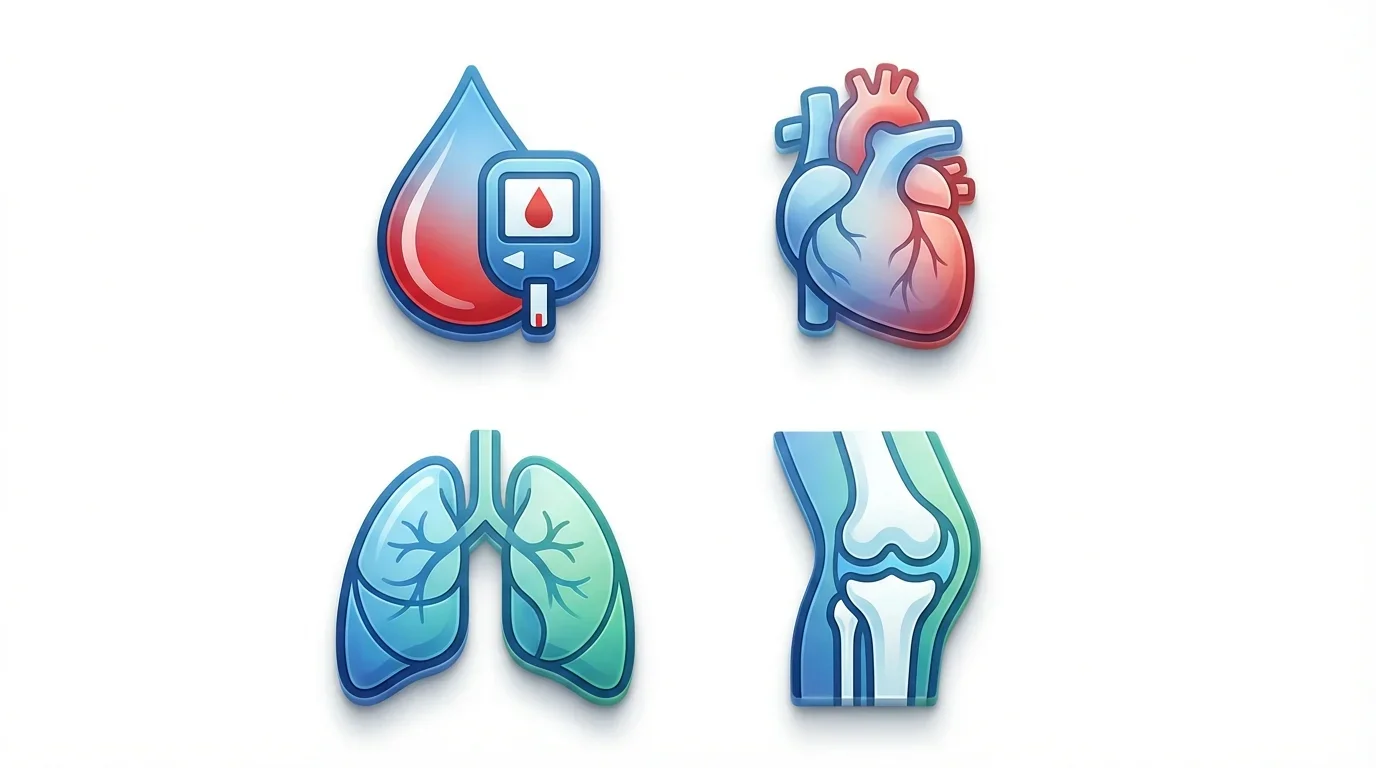
In every concierge practice, certain chronic conditions stand out for their prevalence and impact on patient well-being. Diabetes, for example, has become a nationwide concern, closely followed by hypertension and heart disease. Providers are also seeing increased cases of asthma, COPD, obesity, and arthritis. Each condition brings unique management requirements—from medication adjustments to frequent laboratory monitoring and specialized lifestyle recommendations.
What’s crucial for practice leaders is not just knowing which diseases are most common, but understanding how these often co-occur. Patients with one chronic illness frequently develop others, making truly coordinated care—often via a multidisciplinary care team—a practice’s best tool for improved outcomes. By tracking these high-impact conditions and using data-driven, personalized health plans, concierge and DPC providers can move patients from reactive, crisis-driven care to ongoing health promotion.
The Impact of Chronic Conditions on Patients and Health Care Systems
Chronic diseases take a significant toll—not just physically, but emotionally and financially. For patients, a poorly managed chronic disease can lead to repeated hospitalizations, declining function, and reduced quality of life. At the system level, chronic illnesses drive a majority of health care spending and contribute to the burnout of both care teams and physicians. A fragmented approach, where patients "bounce" between various providers, leads to gaps in care and higher emergency room use.
Concierge and membership-based practices, by contrast, are structurally designed to fill these gaps. Through smaller panel sizes, direct communication, and a commitment to prevention, they can reinforce continuity and coordination. The result: Fewer complications, lower overall costs, and, most importantly, patients who feel genuinely cared for by their provider and the larger care team. This is not only great for patient loyalty—it’s also a sustainable model for high-performing practices.
The Foundations of a Successful Disease Management Program
Essential Elements of Any Chronic Disease Management Program
A high-functioning chronic disease management program must rest on a solid foundation of best practices. These include evidence-based treatment protocols tailored to each condition, well-defined care pathways, and ongoing risk assessment. It’s not about templates—it’s about systematic processes that ensure no patient falls through cracks. Key elements also encompass regular monitoring (labs, vital signs, device data), clearly articulated short- and long-term goals, and prompt intervention when parameters drift.
Another critical component is education: empowering patients with knowledge, resources, and frequent touchpoints, not just annual check-ins. Practically, this means leveraging digital tools for reminders, follow-up, and two-way communication, and establishing metrics for tracking health outcomes and patient engagement. Practices should constantly assess effectiveness, asking: Are our interventions helping to improve overall health and reduce preventable ER visits?
Personalizing the Management of Chronic Disease: Patient-Centered Strategies
The hallmark of successful chronic disease management in concierge models is high personalization. Standardized protocols provide a foundation, but each management plan must adapt to the patient’s medical, psychosocial, and lifestyle needs. That includes integrating patient preferences into the treatment plan, setting achievable goals, and offering support for barriers like medication costs or transportation. Providers who see themselves as partners—and not just prescribers—can motivate sustained behavior change.
Patient-centered models also prioritize shared decision-making, where patients actively participate in their care choices. This can involve motivational interviewing, health coaching, and leveraging EMR features that foster engagement. By putting the patient at the center of the care team, practices improve adherence, satisfaction, and long-term wellness.
"A proactive approach to disease management means fewer emergencies, better outcomes, and higher patient satisfaction."
Comparison of Chronic Disease Management Approaches (Traditional vs. Concierge)
Feature |
Traditional Model |
Concierge Model |
|---|---|---|
Appointment access |
Weeks |
Same/next day |
Care team involvement |
Limited |
Multidisciplinary |
Preventive care emphasis |
Low |
High |
24/7 communication |
Rare |
Common |

How Concierge Practices Excel at Chronic Disease Management
The Role of Care Coordination and Team-Based Approaches
Concierge practices are uniquely equipped to provide care coordination—the glue holding together complex disease management efforts. By assembling multidisciplinary teams (physicians, nurses, health coaches, and care coordinators), these models ensure that every provider is up to date and every patient touchpoint is intentional. Team huddles, collaborative case reviews, and seamless communication between the care providers underpin this strength. When every member knows their role, patients perceive their care as connected, resulting in improved health outcomes and fewer costly mistakes.
Care coordination in this context isn’t about creating bureaucratic layers. Instead, it empowers each role, from front-desk to care manager, to contribute meaningfully to ongoing management programs. The effect is measurable: reduced hospital admissions for patients with chronic illness, quicker follow-up on abnormal results, and an ability for patients to reach their team when it matters most.
Utilizing Technology: Telehealth and Remote Monitoring in Disease Management
Technology has greatly expanded what’s possible for chronic disease management. In concierge practices, telehealth and remote monitoring tools allow for more frequent, lower-friction check-ins, real-time symptom tracking, and timely prescription adjustments. Wearables and connected devices provide a constant stream of actionable data—blood pressure, glucose levels, weight trends—enabling earlier interventions and more nuanced management of chronic conditions.
Digital platforms enhance communication between patients and providers. These platforms can automate reminders, facilitate secure messaging, and integrate with EMRs for a 360-degree view of the patient’s health journey. For patients who may not be able to visit the clinic regularly, such tools become lifelines, supporting continuous engagement and adherence even between in-person appointments.
Case Example: Implementing a Diabetes Management Program in a DPC Practice
Consider a Direct Primary Care (DPC) practice aiming to improve outcomes for its diabetic population. Rather than limiting intervention to biannual appointments, the team launches a comprehensive diabetes management program. This includes routine telehealth check-ins, remote glucose monitoring, individualized nutrition counseling, and monthly care team reviews. Each patient sets personal goals, and progress is tracked using the practice’s EMR and a patient-facing portal.
The results? Improved A1C scores, fewer ER visits, and greater patient satisfaction. But perhaps most importantly, patients feel respected as DPC members—with their voices heard and their unique needs factored into every adjustment. This approach can be replicated for many chronic conditions, demonstrating how the DPC or concierge model brings chronic disease management to life.

First Steps in Chronic Disease Management for Concierge Health Leaders
Conducting a Population Health Assessment
The foundation of any effective management program is a deep understanding of your patient panel. Population health assessment means gathering and analyzing data to identify which patients are at greatest risk—from those with poorly controlled diabetes to those who haven’t completed recommended screenings. This doesn’t require complex analytics to start; simply reviewing your EMR, running basic reports on prevalent chronic conditions, and flagging high-risk individuals is invaluable.
From there, practices can stratify risk and allocate care team resources accordingly. Knowing your population allows for better program design, targeted outreach, and a higher return on investment (ROI) for every clinical initiative, whether focused on medication adherence or preventive interventions.
Developing Evidence-Based Treatment Plans for Chronic Diseases
With a clear picture of your patient needs, the next step is crafting evidence-based treatment plans. These plans combine current clinical guidelines with the realities of your population—factoring in comorbidities, patient preferences, and social determinants of health. Regular care team meetings are essential for reviewing progress and making timely adjustments. A robust chronic disease management program adapts quickly and learns continuously.
Critical to success is documentation: structured templates, automated assessments, and succinct action steps embedded in the EMR. When all care providers have visibility into the plan, handoffs become smoother, and patients receive consistent guidance. Engaged, informed patients can then meaningfully participate in their care, leading to more sustainable results.
Identify your high-risk and high-needs patients
Evaluate current workflows and gaps
Leverage EMRs and digital tools for proactive follow-up
Engage each patient in shared decision-making and goal setting
Monitor, adjust, and iterate on care plans regularly

What Best Helps Manage a Chronic Disease? Actionable Strategies
Evidence-Based Interventions: From Lifestyle Changes to Medication Management
Effective disease management is grounded in science. Evidence-based interventions for chronic disease span lifestyle modifications (diet, exercise, smoking cessation), optimization of pharmacological therapy, and structured patient education. Practices should align their management programs with national and specialty guidelines—yet remain flexible when patient-specific considerations arise.
Tools like clinical decision support systems (CDSSs), care pathways, and regular benchmarking help ensure that care teams remain on the cutting edge while tailoring recommendations to the individual. Equally important, frequent follow-up allows care providers to assess effectiveness and pivot treatment protocols when necessary—reducing the lag time between new data and clinical action.
Patient Engagement: Motivational Interviewing and Health Coaching
No management program succeeds without genuine patient involvement. Concierge and DPC practices excel at patient engagement through techniques like motivational interviewing and the use of health coaches. By exploring barriers and aspirations, providers help patients find personal motivation for change, creating a foundation for new habits and treatment compliance.
Structured coaching sessions—whether in person or virtual—equip patients with practical skills, from goal setting to problem solving. These interventions drive meaningful behavior change, especially for chronic conditions where lifestyle plays a major role. When patients feel heard and understood, they're more likely to take an active role in their chronic disease management.
Tracking Outcomes, Adjusting the Management Program, and Measurement Tools
Tracking health outcomes is non-negotiable for practice mastery. Concierge and DPC clinics should regularly review clinical markers (e. g. , blood pressure, HbA1c), emergency room rates, and patient-reported outcomes. EMRs and digital dashboards make progress visible for both providers and patients, fostering ongoing accountability.
High-performing practices don’t just collect data—they act on it. When a patient isn’t hitting their goals, the care team intervenes rapidly, adjusting the management program and tapping into additional resources as needed. By benchmarking performance (internally and against peers), practices stay on a trajectory of continuous improvement—benefiting both operational efficiency and patient well-being.

People Also Ask: Chronic Disease Management
What is considered chronic disease management?
Chronic disease management refers to a coordinated, proactive approach using evidence-based strategies to prevent, monitor, and control long-term conditions through a combination of medical care, lifestyle modifications, and continuous patient engagement.
What is the meaning of chronic disease?
A chronic disease is any persistent, long-term health condition—such as diabetes, hypertension, or COPD—that typically lasts for months or years and requires ongoing management rather than a one-time cure.
What best helps manage a chronic disease?
Effective chronic disease management relies on patient-centered care, regular monitoring, strong provider-patient communication, use of technology, evidence-based protocols, and prevention-oriented strategies tailored to the individual.
What is the first step in chronic disease management?
The first step is to accurately identify and assess chronic conditions within your patient population, followed by risk stratification and development of individualized management and monitoring plans.

FAQs: Chronic Disease Management for Practices and Patients
How can practices measure success in chronic disease management?
Measurement can include clinical outcomes (lab values, blood pressure control), reduced ER/hospital visits, patient satisfaction, and engagement in self-care. Digital dashboards and patient-reported outcomes offer clear, actionable metrics.
How often should care plans be updated?
Care plans should be revisited at every patient visit and comprehensively reviewed at least every 3–6 months, or sooner if there are changes in the patient’s health status or treatment guidelines.
What are the most common chronic diseases seen in concierge settings?
Diabetes, hypertension, cardiovascular diseases, asthma/COPD, depression, and arthritis are among the most frequently managed. Many patients have multiple chronic conditions needing ongoing coordination.
Can DPC models reduce patient ER visits related to chronic illness?
Yes. By offering proactive outreach, easier communication, and continuous monitoring, DPC and concierge practices often see a significant drop in preventable ER visits for patients with chronic diseases.

Key Takeaways for Concierge Practices: Elevating Chronic Disease Management
Chronic disease management is a cornerstone of preventive and value-driven practice.
Concierge and membership-based models offer unique tools to improve both outcomes and patient engagement.
Continuous reassessment and use of technology can enhance program effectiveness.
Next Steps: Optimize Your Chronic Disease Management Program
Audit your current chronic disease management workflows
Train your care teams in motivational interviewing and remote monitoring tech
Engage each patient as an active member of their own care team
Book a strategy consult to build or refine your practice’s approach to chronic disease management
Chronic Disease Management—A Foundation for Exceptional Concierge Care
"A thriving practice delivers not just access, but advocacy—making chronic disease management the catalyst for lifelong patient trust."
Ready to reimagine your chronic disease management program? Take the first step—evaluate your workflows, empower your care team, and start transforming patient outcomes today.
If you’re looking to deepen your expertise and discover how a comprehensive approach to chronic disease management can truly transform both patient care and your practice’s long-term success, consider exploring broader strategies and advanced insights. By understanding the full spectrum of benefits—from improved patient loyalty to operational resilience—you can position your practice at the forefront of value-driven care. For a more strategic perspective and actionable guidance, visit this in-depth guide on the pivotal role of chronic disease management in concierge medicine. Take the next step toward building a practice that not only manages disease, but also champions lifelong wellness for every patient.







Write A Comment