


Nearly 6 in 10 adults in the United States live with at least one chronic disease. For many, standard care feels cold and transactional—leaving patients and physicians frustrated. But there’s a smarter, more human approach reshaping outcomes and patient experience: concierge medicine chronic disease management.

A Startling Look: The Rising Toll of Chronic Disease in the US
"Six in ten adults in the US have a chronic disease — yet too often, traditional medical care leaves them feeling like another number." – National Center for Chronic Disease Prevention
Chronic diseases like diabetes, heart disease, arthritis, and high blood pressure are defining challenges for today’s healthcare system. These health issues account for most doctor visits, prescription use, and hospitalizations—driving both personal suffering and strain on our care systems. Despite the scale of the problem, patients managing chronic conditions often receive fragmented, rushed medical care, increasing the risk of complications and dissatisfaction for both patients and healthcare providers.
For practices and patients seeking a different model, concierge medicine stands out as an alternative. Where traditional medicine juggles growing patient panels and time constraints, concierge care emphasizes proactive outreach, stronger doctor-patient relationships, and individualized approaches to disease management. Let’s break down why this pivot is capturing attention—and how to bring actionable, lasting change to chronic illness care.
What You'll Learn About Concierge Medicine Chronic Disease Solutions
How concierge medicine addresses challenges in chronic disease management
Benefits of personalized care for chronic illness
Impact on quality of life and health outcomes
Key features of successful concierge care models
Actionable tips for improving disease management in your practice

Defining Concierge Medicine Chronic Disease Management
What Is Concierge Medicine, and How Does It Support Chronic Condition Care?
Concierge medicine is a care model where patients pay a membership fee for enhanced access, convenience, and quality of medical care—especially valuable for those with chronic disease. By keeping practice panels smaller, concierge physicians invest more time with each patient, enabling precise and responsive disease management. For patients with chronic illnesses such as diabetes, hypertension, or COPD, this model transforms care from periodic, reactive check-ins to a collaborative, ongoing partnership.
What sets concierge medicine apart is its personalized care and commitment to continuity. Physicians develop deep familiarity with their patients’ medical history and life circumstances, allowing for tailored treatment plans, early interventions, and timely adjustments as health changes. This continuity not only improves health outcomes for chronic conditions but also empowers patients to actively participate in their healthcare journey.
Chronic Disease Management: Traditional vs. Concierge Approaches
In traditional settings, chronic disease management is often hampered by short appointments, packed schedules, and fragmented communication between different care providers. Patients may wait weeks for follow-ups, rarely see the same doctor, and struggle to access consistent guidance on their chronic health issues. This disconnected approach can lead to unmanaged symptoms, preventable ER visits, and a decline in both health and confidence for those navigating chronic illness.
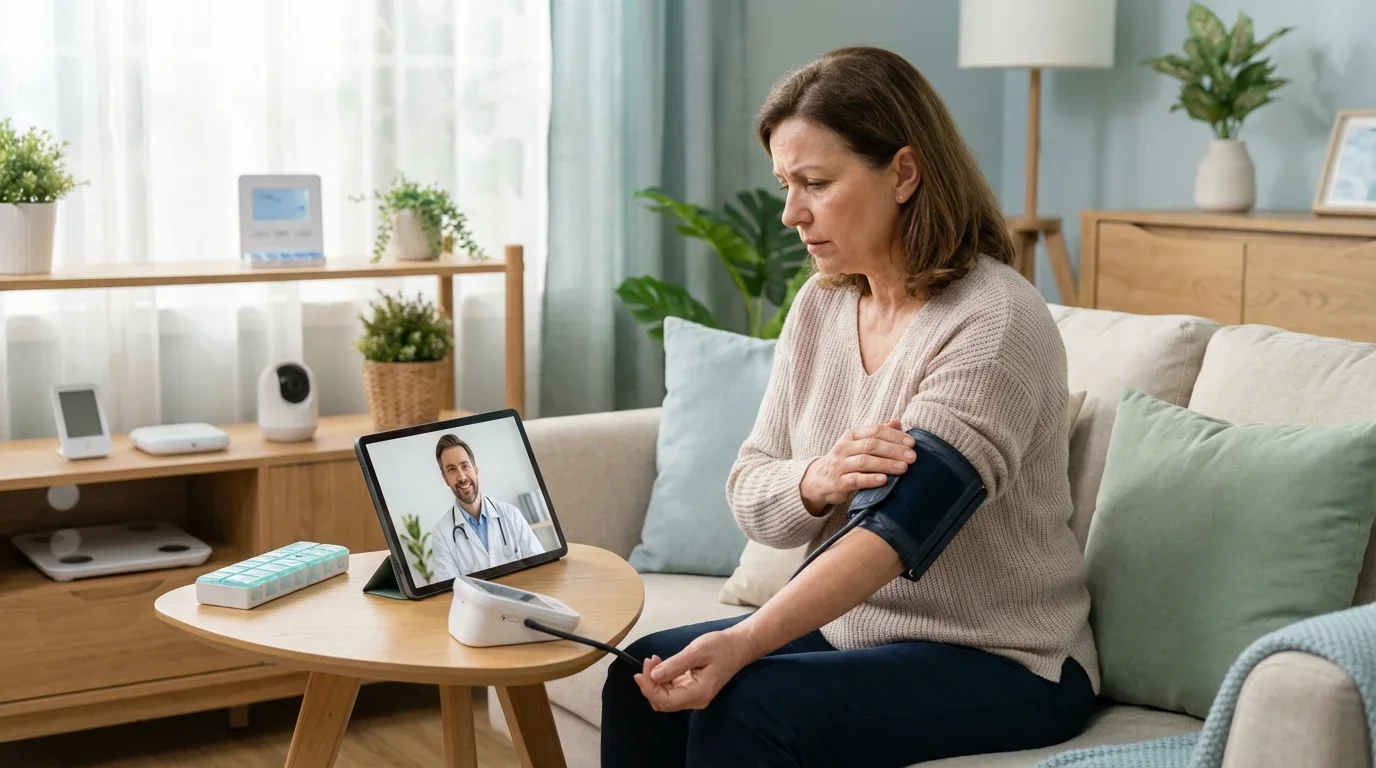
Concierge medicine offers a fundamentally different template. Longer visits allow physicians to explore every facet of a patient’s chronic conditions, fine-tune treatment plans, and respond quickly to changes in symptoms or test results. Enhanced access to care—via direct calls, texts, telemedicine, or after-hours support—ensures that patients receive attention before minor problems escalate. This proactive, personalized care model helps patients better understand and manage their chronic disease, leading to fewer emergencies and a higher quality of life.
For those interested in practical strategies to implement these improvements, exploring concierge medicine best practices for chronic disease management can provide actionable insights for both patients and healthcare providers.
Comparison of Chronic Disease Management: Concierge Medicine vs. Conventional Care
Aspect |
Traditional Medical Care |
Concierge Medicine Chronic Disease Care |
|---|---|---|
Patient-Physician Relationship |
Often inconsistent and fragmented |
Ongoing, personal, trust-based |
Appointment Length |
Brief (10–15 minutes avg.) |
Extended (30+ minutes avg.) |
Access to Care |
Standard business hours, delays |
Direct, same/next-day access, 24/7 support |
Disease Management Approach |
Reactive, symptom-focused |
Proactive, comprehensive, coordinated |
Care Coordination |
Fragmented among providers |
Streamlined, often includes specialist collaboration |
Patient Experience |
Transactional, rushed |
Personalized, patient-centered |
Health Outcomes |
Variable, risk of gaps |
Improved, better controlled chronic conditions |
Why Concierge Medicine Chronic Disease Solutions are Gaining Momentum
Limitations of Traditional Medical Care for Chronic Conditions
Despite the best efforts of dedicated physicians, traditional medical care often falls short for patients with chronic disease. Overburdened schedules, brief interactions, and administrative hurdles contribute to missed opportunities for proactive management and relationship-building. As a result, patients may feel isolated, unheard, or ill-equipped to actively manage their health—especially with complex or overlapping chronic illnesses.
Key limitations include delayed follow-up on treatment plans, poor communication between care providers, and a lack of consistent, reliable access. This fragmented approach often means that critical health changes—like worsening blood pressure, glucose levels, or mobility—go undetected until they require acute intervention. The financial and emotional cost to both patients and the system is significant and growing.
The Promise of Personalized Care and Better Health Outcomes
Concierge care promises a refreshing solution: personalized care that adapts to each patient’s unique needs and empowers both physician and patient to collaboratively manage health. By investing in longer appointments and direct communication, concierge practices support earlier interventions, customized advice, and sophisticated tracking of chronic conditions. This translated into measurable improvements in clinical indicators—such as blood pressure or blood sugar control—and enhanced quality of life for patients.
Fundamentally, concierge medicine chronic disease programs deliver a proactive, rather than reactive, approach. Physicians can keep closer tabs on patient trends, adjust medications or treatment plans in real time, and provide the kind of ongoing support that leads to higher patient satisfaction and fewer avoidable hospital visits. Practices that excel in this model see not only improved health outcomes, but also healthier, more engaged patient panels.
"Patients managing chronic conditions benefit from deeper doctor relationships, proactive outreach, and accessible support—the hallmarks of concierge medicine."

Elevating the Patient Experience: How Concierge Medicine Changes Chronic Disease Management
Longer Visits and Stronger Patient-Physician Bonds
One of the cornerstones of effective chronic disease management is trust—and that’s built over time. Concierge medicine allows for longer visits that enable meaningful dialogue, comprehensive reviews of progress, and shared decision-making around treatment plans. Instead of racing through symptom checklists, concierge physicians discover the social, lifestyle, and emotional factors that impact their patients' chronic illnesses.
These in-depth appointments strengthen patient-physician bonds so that patients feel listened to and respected—not just as cases, but as individuals. This cultivates honesty around symptoms or barriers, meaning patients are more likely to disclose medication side effects, mental health concerns, or adherence challenges. Enhanced communication leads to tailored solutions, better outcomes, and increased patient satisfaction—key ingredients in long-term chronic disease management.
Coordinated Disease Management and Multidisciplinary Support
Complex chronic illnesses often require input from multiple healthcare providers—cardiologists, endocrinologists, nutritionists, mental health professionals, and more. In traditional healthcare, patients are left to coordinate this patchwork themselves, risking miscommunications and lost information. By contrast, concierge practices actively manage referrals, share notes, and oversee the entire continuum of care.
With a dedicated healthcare provider orchestrating a patient’s care team, there’s significant reduction in duplicate tests, confusion about medication changes, and administrative headaches. Patients experience smoother transitions, clearer treatment plans, and more consistent follow-up—eliminating common pain points in chronic disease management. For many, this is the most valuable aspect of concierge care: true partnership and advocacy within a complex healthcare system.
Core Benefits of Concierge Medicine Chronic Disease Programs
Improved access to medical care
Personalized care plans for chronic illnesses
Enhanced quality of life for patients
Reduced hospitalizations and emergency visits
Streamlined communication with specialists

Comparing Outcomes: Concierge Medicine Chronic Disease Models in Action
Real-World Examples: Managing Chronic Conditions with Concierge Medicine
Imagine a 58-year-old woman with diabetes and high blood pressure. In a standard care system, she may see her primary doctor for 10 minutes every few months, with little coordination between her specialists. In a concierge medicine model, her physician dedicates extra time to reviewing her glucose data, adjusting her medications, liaising directly with her cardiologist, and even doing proactive outreach to check in on her progress. This close monitoring can catch trends—like a spike in blood pressure—before they blossom into crises.
Another example: a male patient with COPD enrolled in a concierge practice gains rapid access to telemedicine visits during flare-ups, immediate prescription adjustments, and personalized coaching on home management strategies. In each case, patients are empowered partners rather than passive recipients of care. Studies show patients in these models achieve better disease control, fewer hospitalizations, and report much higher satisfaction with their disease management—proving that concierge care can change lives.

Addressing Challenges: Limitations and Considerations in Concierge Medicine Chronic Disease Management
Is Concierge Medicine Chronic Disease Care Accessible to All?
Despite its proven benefits, concierge medicine chronic disease care faces real questions around equity and accessibility. Not all patients can afford membership fees, nor do all regions have robust concierge offerings. There’s concern that while some patients can access improved care, others may be left behind in overstretched traditional practices. As an industry, exploring hybrid models, expanded insurance inclusion, and scaling approaches is essential for inclusive transformation.
Practices moving toward concierge care should openly consider these issues: Who gets access? How can services be made more affordable or supported for vulnerable populations? Forward-thinking clinicians are experimenting with tiered memberships and incorporating Medicare or employer partnerships to reach a broader audience.
Cost, Equity, and the Future of Disease Management
The upfront cost of concierge medicine—often several thousand dollars annually—limits adoption for some but bargains for others when weighed against the chronic disease complications, lost wages, and medical bills it can help prevent. For chronic disease patients with frequent hospitalizations or ED visits, concierge care may prove cost-effective by reducing these events via better disease management and ongoing support.
With more insurers and health systems piloting concierge-style models, new payment structures and access solutions are emerging. Practices should monitor regulation, reimbursement trends, and seek community partnerships to ensure momentum toward a more equitable, sustainable, and impactful future for chronic disease management—where every patient receives proactive, compassionate care.
Key Takeaways: Making the Case for Concierge Medicine in Chronic Disease Management
Concierge medicine delivers personalized, proactive care for chronic diseases.
Patients experience improved health outcomes and quality of life.
Potential barriers include cost and widespread access.
Successful practices leverage strong patient relationships and care coordination.
People Also Ask: Concierge Medicine Chronic Disease FAQs
How does concierge medicine help manage chronic disease?
Concierge medicine improves chronic disease management by offering longer appointments, proactive monitoring, and better care coordination. This leads to earlier interventions, more tailored treatment plans, and reduced complications for chronic illness patients.
What chronic conditions benefit most from concierge medicine?
Chronic conditions such as diabetes, hypertension, heart disease, arthritis, and COPD often benefit most from concierge medicine’s individualized approach and regular, preventive oversight.
Is concierge medicine cost-effective for chronic disease patients?
While concierge medicine may have a higher upfront cost, it can reduce overall healthcare spending for chronic disease patients by preventing hospitalizations and minimizing emergency care through better management.
FAQs: Concierge Medicine Chronic Disease Essentials
Can patients with chronic illness switch to concierge care anytime?
What training do concierge physicians have in chronic disease management?
Does insurance cover concierge medicine chronic disease services?
How do care plans differ from standard models?
Action Steps: How to Harness Concierge Medicine for Chronic Disease Management
Evaluate current chronic disease management workflows in your practice.
Identify patient pain points and gaps in care.
Propose and test personalized care enhancements with your team.
Communicate the benefits of concierge medicine chronic disease programs to your patients.
Continue to measure outcomes and refine your approach.
Expert Insights: Quotes from Leaders in Concierge Medicine Chronic Disease Management
"The most successful concierge practices embed chronic disease management into every aspect of patient engagement. Continuity, trust, and frequent touchpoints are game changers." – Dr. Alex Martin, Concierge Physician
Ready to Transform Chronic Disease Management in Your Practice? Start Your Concierge Medicine Journey Today
If you’re inspired to take your understanding of concierge medicine even further, the Concierge Health Hub offers a wealth of resources, expert perspectives, and the latest trends shaping the future of personalized healthcare. Whether you’re a provider seeking to elevate your practice or a patient exploring your options, diving deeper into this comprehensive platform can help you unlock advanced strategies and stay ahead in the evolving landscape of chronic disease management. Discover how innovative care models are transforming lives and what steps you can take to be part of this healthcare revolution.







Write A Comment