


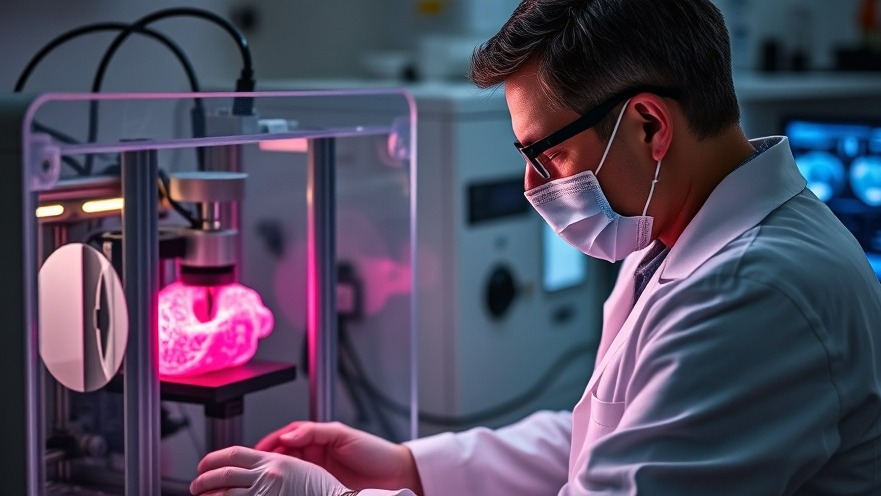
Revolutionizing Men's Health: 3D-Printed Tissue Success
In a groundbreaking study, researchers from China, Japan, and the U.S. have demonstrated the potential of 3D-printed hydrogel-based penile tissue to restore erectile function in rabbits and pigs. Given that erectile dysfunction impacts over 40% of men over 40, this new technology represents a significant advance in treating a condition that has long been approached through limited understanding and natural organ studies.
A Closer Look at Erectile Dysfunction
Erectile dysfunction (ED) is not solely a concern of older men; it can affect males of all ages. Factors contributing to ED include high blood pressure, diabetes, anxiety, and hormonal imbalances. Traditional treatments like Viagra often provide temporary relief but fail to address underlying issues or tissue damage. The newly developed 3D-printed implants could yield a more permanent solution, restoring not just function but overall quality of life.
Understanding the Science: How It Works
At the heart of this innovation is the construction of a "biomimetic corpus cavernosum" (BCC), a model that closely resembles the natural tissue responsible for erections. In an astonishing demonstration, when implanted in animal models, this BCC allowed subjects to mate and reproduce within weeks, significantly boosting their fertility rates from as low as 20% to 100%. This unique blend of bioengineering and tissue modeling opens exciting avenues for future treatments in human patients.
Technological Implications
From a technical perspective, the hydrogel used in this study not only mimics the physical structure of human tissue but also incorporates essential blood vessels to simulate the natural function of the penis. The doctors seeded this biodegradable scaffold with endothelial cells, reinforcing its capability to integrate with the body and improve blood flow—crucial for maintaining an erection. This research showcases the remarkable potential of 3D printing in creating functional organs for transplantation.
Future Trends and Forecasting
The implications of this research extend beyond erectile dysfunction treatment; it could pave the way for other organ repairs and transplants through bioprinting technologies. As the scientific community continues to explore 3D printing's capabilities, we could see similar applications emerge for conditions impacting other types of tissues, such as the heart or even limbs.
Addressing Patient Concerns
While these advancements are promising, practitioners should consider patients' emotional and psychological health regarding erectile dysfunction. Many patients suffer from associated feelings of embarrassment or inadequacy. It's advisable for healthcare providers to take a holistic approach, involving discussions about mental health, lifestyle factors, and available treatments in tandem with these cutting-edge solutions.
Conclusion: A Step Forward in Men's Health
The introduction of 3D-printed penile tissue represents a significant leap forward not just in erectile dysfunction treatment, but in regenerative medicine overall. With plans for human trials, practitioners should prepare for a new era of treatment options that could redefine how they approach ED management.
Stay informed about breakthroughs like these as they could profoundly impact patient care in your practice.





Write A Comment