


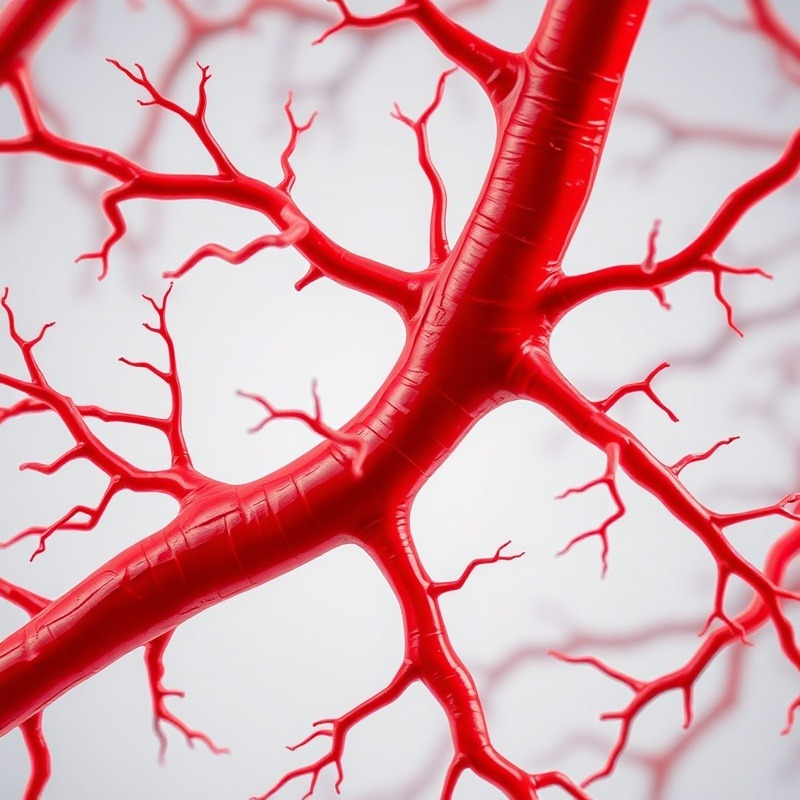
Revolutionizing Chronic Disease Understanding with Blood Vessels on a Chip
In an innovative leap forward, researchers at Oregon Health & Science University (OHSU) have developed groundbreaking insights into the role of perivascular cells in chronic diseases. These specialized cells, which surround small blood vessels, have shown to play a crucial role in blood vessel dysfunction, a common feature in diseases such as cancer, diabetes, and fibrosis. This revelation could shift the tide in how these ailments are approached and treated.
The Role of Perivascular Cells: Sentinel Cells of the Vascular System
Historically, the endothelial cells lining blood vessels were believed to be the primary contributors to vascular diseases. However, Dominique Dent, M.D., Ph.D., a prominent figure in the study, shares that perivascular cells act as vigilant sentinels, detecting tissue changes and coordinating vascular responses. This finding suggests they have a significant hand in worsening disease progression by sending disruptive signals that impact blood vessel function. Consequently, this breakthrough discovery opens new avenues for treatment strategies that directly target these impactful cell actions.
Future Perspectives: Harnessing Technology for Disease Treatment
The implications of this study, published in the reputable journal Science Advances, are far-reaching. By honing in on the method to 3D print functional blood vessels, Luiz Bertassoni and his team have paved the way for burgeoning research in complex diseases. Cristiane Miranda Franca, the study's lead author, emphasizes that understanding how perivascular cells signal inflammation and blood vessel alteration when surrounding tissues change marks the beginning of a new era in chronic disease management. This research could fundamentally change treatment approaches, allowing medical professionals to develop targeted therapies that mitigate disease progression.
Significance to Current Medical Practices
For concierge health practitioners keen on making informed decisions for their patients, these findings offer a promising frontier in medical care. By integrating the knowledge from this study, healthcare providers can anticipate the development of diseases linked to perivascular cell activity, potentially altering patient outcomes through tailored interventions. This shift could improve the management of diseases by moving beyond traditional methods of treating vascular dysfunction.
Actionable Insights: Implementing New Strategies in Healthcare
Practitioners are encouraged to consider how integrating these novel insights into perivascular cell behaviors could revolutionize treatment regimens. Staying abreast of such technological advancements is crucial for delivering cutting-edge care to patients grappling with chronic illnesses. Understanding the intricate roles these cells play could help devise more effective, personalized healthcare strategies aimed at mitigating disease severity before it escalates.





Write A Comment