


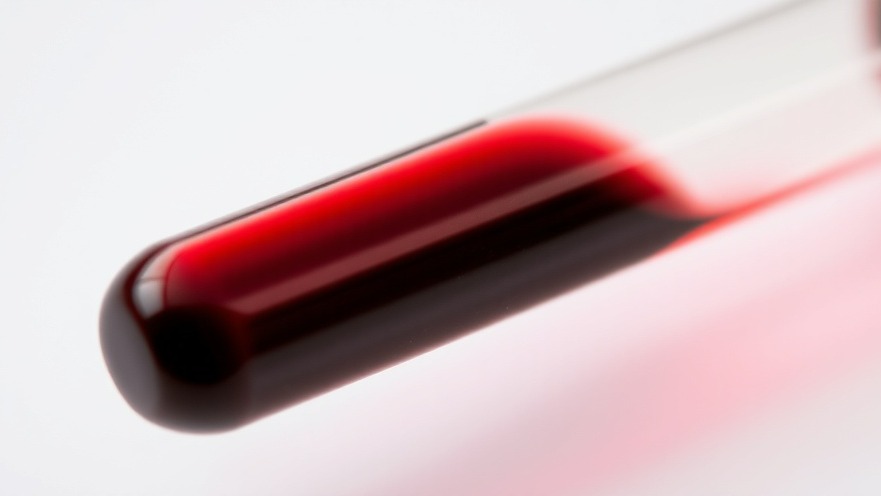
Revolutionizing Disease Diagnosis: The Future of Blood Tests
In an exciting advancement that could change how we approach medical diagnostics, researchers at Tallinn University are exploring blood tests that could eventually replace invasive biopsy procedures. Biomedical scientist Danilo Mladenović has developed techniques aimed at extracting vital information from blood samples, offering a less invasive alternative to traditional methods.
Understanding the Science Behind Blood-Derived Diagnostics
Imagine the human body as a complex neighborhood where each cell represents a house that communicates with others through tiny ‘packages’—these include proteins and genetic fragments that provide insight into health status. Mladenović’s research focuses on isolating extracellular vesicles from blood, which carry significant messages about cellular health and disease.
The problem is akin to searching for a specific letter among a pile of junk mail. Blood consists of millions of particles, making detection challenging. Mladenović’s innovative approach utilizes controlled changes in acidity to enhance the isolation of these fragile vesicles, effectively increasing their visibility while reducing contamination from unwanted particles by over 60%.
Interpreting the Golden Messages Within
Extracting these vesicles is just the beginning. The interpretation of information encapsulated within is crucial. Mladenović’s research has developed methods to identify and measure molecular markers, enhancing our capability to read the vital health information these packages carry. This breakthrough could enable doctors to derive insights not just about tumor activity, but about overall bodily health, eliminating the need for more invasive procedures.
Implications for Patient Care in Concierge Medicine
For concierge health practitioners, this advancement opens doors to more comprehensive patient diagnostics. As blood tests can potentially yield information from various parts of the body simultaneously, it allows for a more holistic view of patient health. Unlike biopsies, which provide isolated insights, blood tests can monitor treatment effectiveness and detect diseases earlier, allowing health practitioners to intervene proactively.
This shift towards less invasive diagnostic methods aligns perfectly with the emerging trend of personalized medicine, where the focus is on tailored healthcare approaches based on individual patient needs. Maintaining a connection with emerging techniques such as these will ensure that practitioners remain at the forefront of patient care.
The Future of Medical Diagnostics: A Balancing Act
As innovative research materials continue to progress, it’s essential to balance technology adoption with patient comfort and outcomes. Mladenović emphasizes that while biopsies offer detailed localized information, blood tests will eventually provide a more comprehensive perspective on health status.
This presents a unique opportunity: as healthcare providers, staying informed about these advancements supports not just enhanced patient engagement, but also continued excellence in medical practice management.
Taking Action Towards the Future
In light of these developments, practitioners should consider integrating blood tests into their diagnostic protocols. As we transition into an era where blood tests could become the norm, preparing to adopt and advocate for these methods is crucial. Educating patients about the advantages of blood tests over biopsies could enhance understanding and acceptance of these innovations.
Implementing these new diagnostic methods allows health practitioners the chance to lead in the evolving landscape of patient care and should motivate an ongoing dialogue about the impacts of emerging technologies in diagnostics.
Conclusion: Join the Revolution in Diagnostics
The prospective shift to blood tests replacing biopsies marks a pivotal moment in medical diagnostics. As concierge health practitioners keen on leading the field, consider staying on top of these updates to maximize your service offerings and enhance healthcare delivery. Knowledge of emerging technologies can significantly benefit your patients and your practice.





Write A Comment