


Revolutionizing Emergency Treatment: A Breakthrough in Robotic Technology
In a remarkable advancement for emergency medical treatment, researchers at the Technical University of Munich (TUM) have developed a pioneering robotic system designed to treat life-threatening tension pneumothorax remotely. This technological feat was showcased at the Automatica robotics trade fair and aims to transform how medical emergencies, especially in hard-to-reach locations, are handled.
The Urgency of Tension Pneumothorax
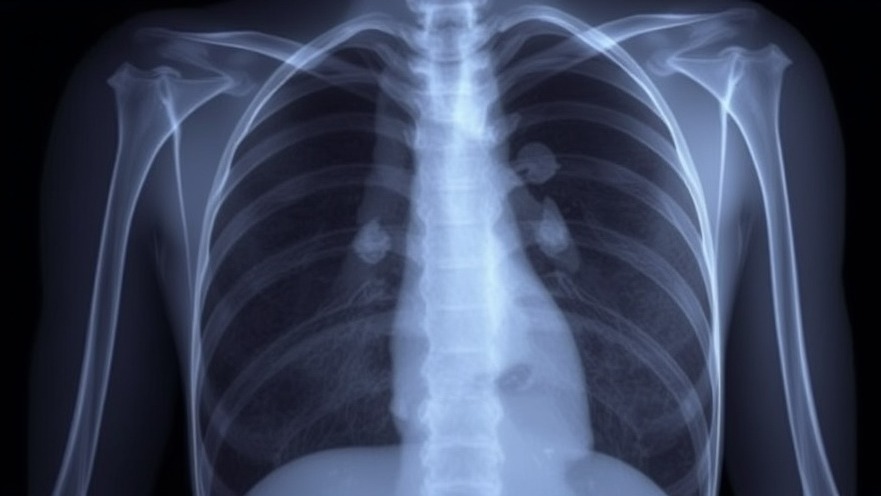
Tension pneumothorax is a critical condition where air accumulates between the pleura and lungs, often caused by traumatic injuries. As stated by researcher Carolin Müller, without timely intervention, the condition can rapidly become fatal. Traditional treatment involves inserting a decompression needle into the chest to allow trapped air to escape—an intervention that can mean the difference between life and death.
A Robotic Approach to Remote First Aid
To address the challenges posed by inaccessible locations, this robotic system incorporates an ingenious arm extension, or an "end effector," equipped with a decompression needle and ultrasound diagnostic capabilities. This allows the robot not only to perform the insertion of the needle accurately but also to confirm the presence of a pneumothorax, ensuring that critical initial treatment can begin within minutes.
How the Technology Works
The device works by using ultrasound imaging to locate optimal insertion points within the intercostal spaces—specifically the Monaldi and Bülau positions—known for their effectiveness in treating tension pneumothorax. Once the correct site is identified, the robotic arm can conduct the procedure autonomously: the needle penetrates the skin, and the catheter remains in place to facilitate air release, enhancing the chances of patient survival during transitions to better medical care.
The Importance of Telemedicine Integration
This innovation aligns with broader trends in healthcare, particularly the integration of telemedicine in emergency situations. The iMEDCAP research project focuses not just on treatment but also on developing intelligent military capabilities for monitoring and evacuating individuals in critical conditions. As telemedicine continues to evolve, the capacity for remote treatments like this could redefine rapid response scenarios.
The Future of Robotic Intervention in Healthcare
The implications of this robotic system extend beyond immediate emergency response. According to experts, the versatility inherent in robotics will facilitate advancements in various fields within medicine, paving the way for efficient patient monitoring and specialized care in scenarios where traditional methods are logistically unfeasible.
Challenges and Considerations for Implementation
Despite its potential, several challenges remain before widespread adoption can occur. Ensuring the reliability of robotic systems in diverse environments, especially during high-stress situations, will be paramount. Additionally, training healthcare providers to integrate these new tools effectively into their practices will be necessary for maximizing their potential benefits.
Final Thoughts: What This Means for Health Practitioners
This robotic solution heralds a new era of emergency medical care that could significantly impact concierge health practitioners and other healthcare professionals invested in proactive patient management. Keeping abreast of developments like this one is essential, as they represent not just technological advancements but also enhanced methods of ensuring patient safety and care.
As emergency healthcare continues its transformation through technology, practitioners are encouraged to engage with this advancement actively, leveraging the potential of robotic assistance to better serve their patients in critical situations.





Write A Comment