


Understanding the Data Dilemma: Health Through a New Lens
In contemporary healthcare, patients possess an influx of health data, yet many struggle to derive actionable insights from it. Catarina Kemper’s experience epitomizes the broader challenge; despite her access to an extensive array of health information, the lack of visibility and understanding rendered her data virtually useless for actionable decisions.
Health data access is certainly advancing, largely spurred by federal initiatives like the 21st Century Cures Act, which champions patients' rights to their medical information. Despite such progress, patients often find themselves in a paradox—having a plethora of information without the means to interpret it effectively. Consider the rise of wearable technology; while the percentage of U.S. adults using these devices has surged—from 30.2% in 2020 to a projected 41.1% in 2024—only a small fraction (14.2% to 19.2%) share their data with healthcare providers. This indicates a robust desire for data independence, yet a concerning disconnect persists.
The Challenges of Fragmentation in Healthcare Information
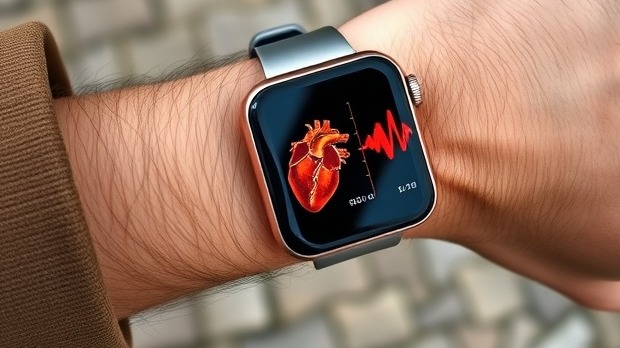
Wearable devices are designed to empower patients by logging critical metrics related to heart health, respiratory functions, and overall wellness. However, this flood of information does not automatically translate into understanding. Patients often lack context regarding what certain data points mean. For instance, while a single lab result can provide a snapshot of one’s health, it fails to depict the ongoing dynamics of that individual’s health profile. Specific factors, such as hormone fluctuations during perimenopause, illustrate how even a well-meaning test can mislead if viewed in isolation. To truly harness health data, patients need broader insight—contextual interpretation of how their numbers align with their health history.
The Role of Practitioners: Bridging the Gap
This emerging dilemma puts concierge health practitioners in a unique position. As trusted advisors in their communities, they can play a pivotal role in demystifying health data for their patients. By integrating wearable data into clinical workflows, physicians can better position themselves as facilitators in the patient’s health journey. A recent AMA/Medscape survey showed that while 77% of U.S. physicians considered utilizing wearable data, only a mere 6% had integrated wearables into their practice. This disconnect presents an opportunity for practices willing to embrace technology—enhancing patient engagement and fostering a deeper understanding of health trends.
Future Trends in Health Data Usage
With the healthcare landscape continually evolving, practitioners must stay ahead of these emerging trends. Growing patient expectations and advances in data analytics demand that healthcare providers adapt to utilize the tools available effectively. Enhanced understanding of data can streamline patient journeys, improve outcomes, and even reduce anxieties surrounding ongoing health concerns. Clinicians looking to integrate new technologies such as telehealth or advanced analytics platforms will not only enhance their service offering but will solidify their reputation within their communities.
Actionable Insights for Health Practitioners
1. **Educate Patients:** Develop resources or workshops to help patients understand their data. Contextualize the numbers in relation to their health, enabling more productive discussions during consultations. 2. **Leverage Technology:** Invest in healthcare software that allows for the integration of wearable data into patients’ health records, making it easier to track progress over time. 3. **Foster Open Communication:** Encourage patients to share their wearable data, making it a standard part of your intake process, which creates more comprehensive treatment plans.
Conclusion: Take Action for Your Practice
As we navigate the complexities of health data access and interpretation, it is imperative for concierge health practitioners to seek solutions that empower their patients. By investing in understanding and utilizing health data effectively, physicians can not only enhance their practices but significantly improve patient outcomes. Don’t get left behind—embrace the technology that can make health data useful and transformative.







Write A Comment