


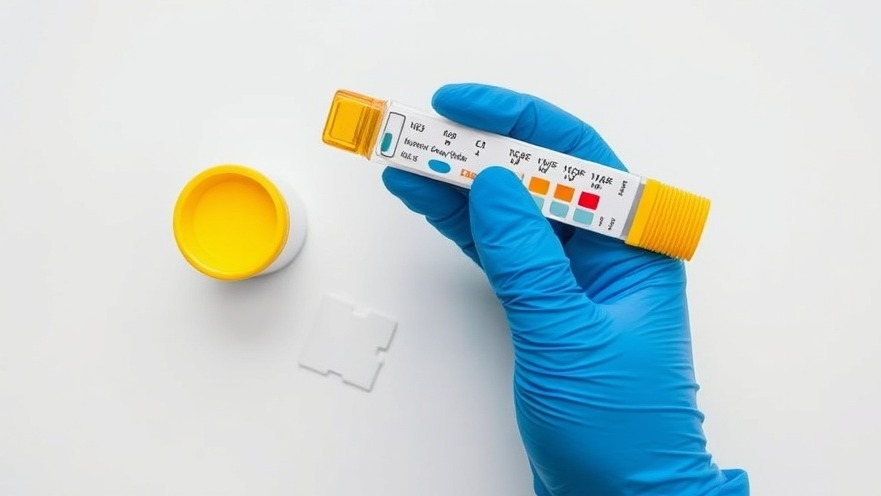
Rapid Urine Test: Revolutionizing Invasive Aspergillosis Detection
Invasive aspergillosis (IA) can have devastating effects on individuals with weakened immune systems, particularly among populations suffering from conditions such as acute myeloid leukemia and those undergoing intensive care for severe illnesses like influenza or COVID-19. Recognizing this urgent need for early diagnosis, researchers at Johns Hopkins Medicine have developed an FDA-cleared urine test that offers results in just a few hours, marking a groundbreaking shift in how this infection is detected.
The Impact of Timely Diagnosis
“Having an early diagnosis is critical; it can initiate appropriate and timely treatment to help prevent disease progression and increase the odds of survival,” explains Dr. Sean X. Zhang, an expert in pathology and the study leader. This new urine assay specifically targets Aspergillus antigens that signal infection, significantly enhancing the diagnostic process. Traditionally, methods for diagnosing IA included invasive procedures such as lung biopsies and bronchoscopies, which left room for uncertainty and increased patient risk. The new test, designed to be used in conjunction with existing clinical evaluations, provides a less invasive alternative, potentially saving lives through quicker diagnosis.
Your Practice and Patient Care: Recognizing the Signs
For concierge health practitioners, staying informed about emerging technologies is critical in providing the best patient care. With the urine test's ability to accurately identify IA in 92% of confirmed cases, health providers can adapt more effective treatment plans. For patients with compromised immune systems, especially those receiving chemotherapy or post-transplant care, rapid testing translates to timely interventions, crucial during moments when every hour counts.
Benefits of the New Diagnostic Method
The advantages of the rapid urine test extend beyond speed; they encompass higher patient comfort and potential cost savings for healthcare systems. According to studies, nearly half of patients with IA may succumb to the infection, emphasizing the need for reliable diagnostic tools. Health practitioners can leverage this test as a first-line response to patients showing symptoms, possibly leading to earlier treatment and improved patient outcomes. Additionally, the results can facilitate better resource allocation within hospitals, allowing medical teams to prioritize care for those most in need.
Technological Integration into Practice
As medical technology continuously evolves, integrating innovative diagnostics like the urine test requires health practitioners to stay informed about the latest advancements. Practitioners can benefit from educational sessions or workshops about utilizing such tests effectively in clinical settings. Utilizing digital health records and EHR systems can also streamline incorporating this new assay into routine practice, helping to maintain thorough patient records and follow-up protocols.
Looking Forward: A Transformative Tool Outcomes
The introduction of this rapid urine test for IA opens the door to further research and development in fungal infection diagnostics. Future studies might explore its application for diagnoses in different patient populations and the efficacy of treatment protocols in real-time based on test results. Staying ahead with these evolving tools is not just about adopting new technologies but ensuring the best possible outcomes for vulnerable patients in the health ecosystem.
Action Steps for Practitioners
As you integrate this innovative urine test into your practice, consider the following steps to enhance patient care:
Engage in continued medical education (CME) opportunities focused on current fungal infections and diagnostics.
Collaborate with specialists to understand the implications of rapid test results.
Implement a protocol for swift communication of test results with your patients to eliminate uncertainty and improve the patient experience.
Adopting practices that prioritize timely intervention can significantly alter the trajectory of patient outcomes regarding IA and beyond.
In a landscape that increasingly favors technological advancements, embracing rapid diagnostic tools not only enhances patient care but also positions your practice as a leader in innovative healthcare solutions.







Write A Comment