


Understanding Post-Traumatic Osteoarthritis: The Need for New Solutions
Post-traumatic osteoarthritis (PTOA) is a debilitating condition that occurs after a joint injury, leading to significant pain and disability for many patients. Current treatments primarily focus on addressing symptoms rather than modifying disease progression, leaving a substantial gap in effective long-term management strategies. This presents a unique challenge for health practitioners, especially in the rapidly evolving field of orthopedics where patient outcomes demand innovative solutions that can adapt to the physical needs of active lifestyles.
Revolutionizing Drug Delivery with New Hydrogel Technology
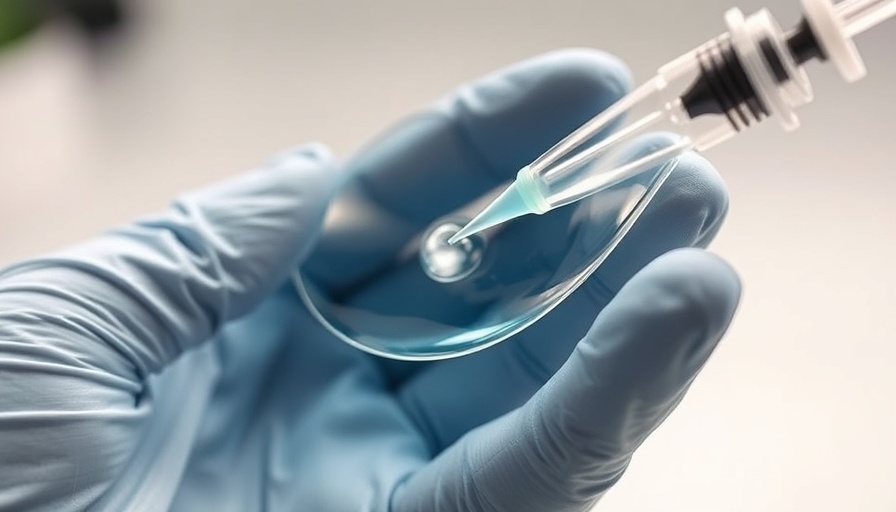
Recent research by a team at Mass General Brigham has made groundbreaking strides in PTOA treatment through the development of a novel hydrogel. This flexible and self-healing hydrogel is specifically designed to release disease-modifying drugs effectively, even during dynamic joint movements typical in physically active patients. Unlike traditional hydrogels, which can degrade under mechanical stress, this innovative solution maintains its integrity, thereby enhancing drug retention within the joint.
The Science Behind the Hydrogel: Self-Healing Properties Unveiled
At the heart of this advancement is the use of triglycerol monostearate (TG-18), a widely used food additive that transforms into a hydrogel capable of self-repair. Under mechanical stress, the hydrogel liquefies and re-establishes its structure almost instantaneously. This unique property not only allows for sustained medication release but also minimizes cartilage damage, crucial for long-term joint health.
The Clinical Impact: Insights from Preclinical Studies
In preclinical studies, the hydrogel demonstrated impressive performance mirroring real-world conditions, such as running and other high-impact activities. The results indicated that joint lubrication improved significantly, potentially reducing wear and tears on joint surfaces, and enhancing overall patient comfort. This finding is vital for concierge health practitioners looking to offer cutting-edge treatments to their patients suffering from PTOA.
Future Predictions: What This Means for Patients
The trajectory for such innovative therapies suggests a promising future for PTOA treatment. With the enhanced ability to deliver drugs precisely where they are needed without being swept away by joint mobility, patients may experience improved outcomes. The hydrogel could serve as a powerful adjunct to traditional therapies, allowing practitioners to tackle PTOA's progression more aggressively and effectively.
Bringing This Knowledge to Your Practice: Implementation Insights
As health practitioners continue to explore advanced treatment modalities, it is equally essential to consider how these innovations can be integrated into clinical practice. Training sessions to familiarize staff with novel hydrogels and their applications could facilitate smoother transitions in patient care protocols. This includes advising on injection techniques, understanding patient response to hydrogels, and monitoring long-term impacts on joint health.
Conclusion: The Future is Bright for PTOA Treatments
The development of this flexible hydrogel represents a significant leap forward in therapeutic strategies against PTOA. By adopting these innovative solutions, health practitioners can potentially enhance patient experience and outcomes. As the healthcare landscape continues to evolve, staying informed about such advancements is key to delivering the highest standard of care. To learn more about this breakthrough and how it can benefit your patients, consider connecting with fellow practitioners interested in the forefront of osteoarthritis treatment.





Write A Comment