


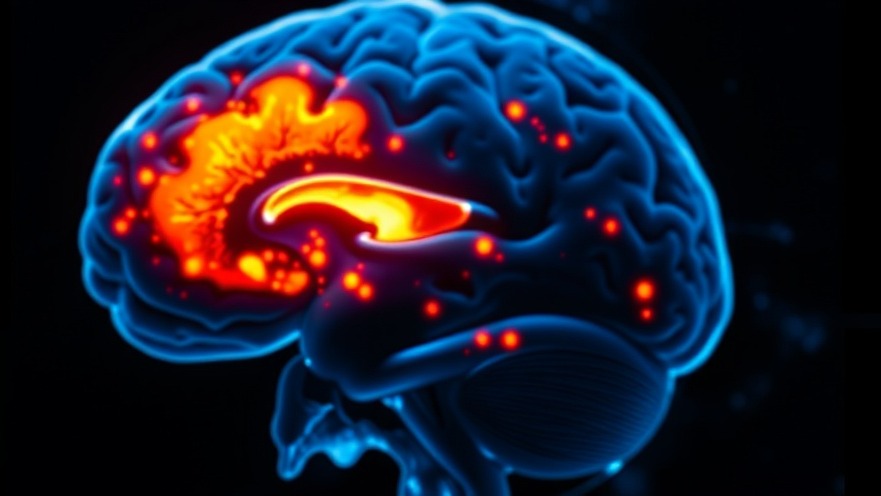
Revolutionary Approach to Glioblastoma Treatment
Researchers at the VCU Massey Comprehensive Cancer Center have unveiled a groundbreaking approach that could change the landscape of glioblastoma (GBM) treatment. Glioblastoma, a notoriously aggressive form of brain cancer, has long been regarded as nearly incurable, with recurrence rates exceeding 90% within mere months after initial therapy. Traditional treatments often prove ineffective against this "cold tumor," which inhibits the immune response. However, recent advancements in targeted therapies hold promise.
A Fusion Superkine with Dual Action
The heart of this new approach lies in a novel molecule called fusion superkine (FSK). This innovative therapy combines the powers of two therapeutic cytokines, aiming to induce both direct tumor toxicity and enhanced immunological activity. By encouraging a broad infiltration of immune cells—such as T cells, dendritic cells, and natural killer (NK) cells—this method not only targets the tumor but also seeks to prevent its recurrence.
Professor Fisher's Insights
Dr. Paul B. Fisher, who spearheads this research, emphasizes the importance of this treatment as a significant advancement towards curing GBM. He notes, “We’re optimistic that our first trial in brain cancer, planned for 2026, will demonstrate that the IL-24 gene and these therapeutic viruses are safe and effective.” His enthusiasm reflects a growing belief that integrating advanced immunotherapy with genetic engineering could lead to better outcomes for patients.
Innovative Delivery: Focused Ultrasound
To enhance the delivery of this dual-action therapy, the researchers use a method called focused ultrasound double microbubble (FUS-DMB). This technique allows for precise targeting through the blood-brain barrier (BBB), ensuring the therapeutic agents reach the tumor effectively. By employing this innovative approach, the delivery of the FSK into the tumor microenvironment becomes safer and more efficient, aiming to transform the treatment landscape for GBM.
The Importance of Wider Application
What makes this discovery particularly valuable for concierge health practitioners is its potential to become part of a personalized treatment plan for patients battling GBM. With such a high recurrence rate and resistance to standard therapies, the option of a more aggressive, targeted intervention could redefine clinical outcomes. It empowers practitioners to offer new hope to patients who have historically faced bleak prognoses.
Future Implications for Patient Care
As the medical community anticipates the upcoming trials, there’s an opportunity for practitioners to stay informed and adapt to these advances. Participating in discussions around emerging therapies like FSK may allow healthcare providers to better guide their patients through treatment choices, enhancing both care delivery and overall patient experiences.
Cultural Considerations and Patient Emotions
Understandably, patients diagnosed with GBM often experience a tumultuous emotional journey, filled with anxiety over treatment efficacy and survival. This innovative research out of VCU, coupled with the potential for new therapies, may alleviate some of that anxiety by providing tangible hope. For practitioners, being aware of these feelings can aid in offering more empathetic and effective care.
What This Means for the Future of Brain Cancer Treatment
The fusion superkine and innovative delivery methods represent more than just a potential treatment—they signify a shift toward a future where personalized medicine could drastically improve outcomes for patients battling one of the deadliest forms of cancer. The intersection of immunotherapy and advanced technology could unlock new pathways for effective treatment.
Time to Act
As new breakthroughs such as FSK emerge, it's vital for health practitioners to not only stay informed but actively engage in discussions surrounding these advancements. Staying ahead in your knowledge of innovations will empower you to provide the best care for your patients. Understanding these therapies could enhance your practice and set you apart as a leader in patient care.





Write A Comment