


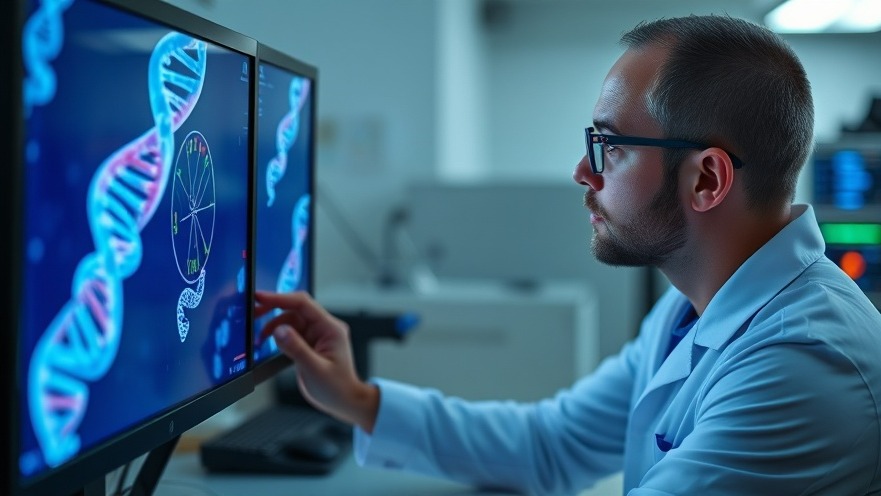
Understanding RNA's Role in Aggressive Leukemia
Research has shown that RNA molecules play crucial roles in cancer biology, particularly in the context of aggressive forms of acute myeloid leukemia (AML). A pioneering study from the University of Veterinary Medicine Vienna, working in collaboration with the CeMM Research Center for Molecular Medicine and St. Anna Children's Cancer Research, has unveiled insights into how RNA molecules interact within cancer-promoting cellular structures, offering potentially transformative implications for treatment methodologies.
The Innovative bicon-seq Method: Unveiling RNA Dynamics
A key aspect of this study is the introduction of the bicon-seq analytical method, which allows scientists to systematically identify RNA molecules associated with biomolecular condensates—dynamic structures that regulate gene activity. This method can quantitatively measure how RNA molecules like Gas5 are involved in these oncogenic condensates, essentially revealing a previously difficult-to-access layer of gene regulation. According to Florian Grebien, senior author of the study, this breakthrough provides researchers with the tools to observe the behavior of RNA in response to specific disruptions, offering a dynamic view of cancer biology.
Gas5: A Critical Player in Leukemia Progression
Among the findings, the long noncoding RNA (lncRNA) Gas5 emerged as a significant regulator. High levels of Gas5 were observed in AML cells, indicating its importance in the proliferation of these cells. This is particularly noteworthy because the oncoprotein NUP98::KDM5A, which promotes the formation of oncogenic condensates, co-localizes with Gas5 within these structures. By employing a targeted suppression method known as CRISPRi to downregulate Gas5, researchers noted substantial changes in gene activity linked to differentiation and programmed cell death. Melanie Allram, first author of the study, emphasizes that Gas5's function extends beyond mere structural involvement; it actively influences the operational dynamics of these condensates, hinting at its potential as a therapeutic target.
The Implications for Patient Treatment
This research opens several avenues for clinical application. Understanding the roles of specific RNA molecules in AML can lead to the development of more effective treatment strategies. Targeting lncRNAs such as Gas5 might facilitate novel interventions that could halt or reverse tumor progression in patients. As concierge health practitioners, leveraging this information can enhance patient care by integrating the latest research findings into practice, thereby ensuring that treatment paradigms are at the forefront of scientific advancements.
Future Trends in Cancer Research
As the landscape of cancer research continues to evolve, it is expected that RNA biology will play an increasingly prominent role. The ability to quantify RNA within oncogenic condensates provides an opportunity not only to deepen our understanding of cancer mechanisms but also to foster the development of targeted therapies based on these insights. Practitioners should remain vigilant in monitoring ongoing research, as breakthroughs in RNA-targeted therapies could significantly impact treatment outcomes for patients with aggressive leukemias.
In Conclusion: Staying Ahead in Patient Care
The findings presented underscore the importance of remaining informed about cutting-edge research influencing AML treatment. By understanding the complex interactions between RNA and oncogenic proteins, health practitioners can better tailor interventions for their patients. Embracing this knowledge can make a significant difference in outcomes for those affected by aggressive leukemias. To stay updated with evolving trends in cancer treatment, consider engaging with ongoing educational resources and professional networks focused on the latest scientific advancements.







Write A Comment