


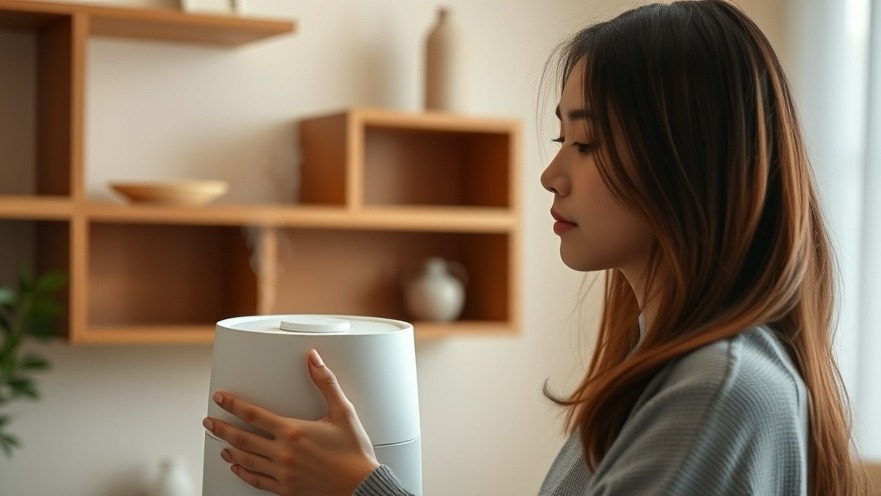
Understanding the Importance of Indoor Air Quality
As we navigate our daily lives predominantly indoors, the quality of the air we breathe can significantly impact our overall wellness. Poor indoor air quality (IAQ) has become a silent threat, particularly in homes where pollution sources may be abundant yet overlooked. For the owners of concierge medical practices, addressing and educating patients about IAQ can enhance their health strategies, thereby reinforcing their standing as trusted wellness advisors. Not only can improving air quality contribute to better health, but it also positions a practice as forward-thinking and dedicated to comprehensive care.
Identifying Common Indoor Pollutants
Various pollutants can accumulate in our homes, often originating from harmless-seeming activities. Everyday tasks such as cooking, cleaning, and even the new paint colors we select can release particles and gases that compromise our air quality. The U.S. Environmental Protection Agency (EPA) identifies pollutants like fine particles from smoke, biological agents such as mold spores and pet dander, and volatile organic compounds (VOCs) from cleaning products as significant contributors to indoor air pollution. Even lesser-known sources such as furniture off-gassing can lead to deteriorating air quality. Understanding these sources is foundational for any practical approach to improvement.
Strategies to Improve Indoor Air Quality
Improving indoor air quality isn't a one-size-fits-all approach; it requires a comprehensive strategy that includes source control, ventilation, and air filtration. Understanding the specific pollutants in your environment is critical. Once identified, the first step often lies in source control—eliminating or reducing the source of pollutants. For instance, running exhaust fans during cooking helps to eliminate odors, while proper storage of cleaning chemicals minimizes exposed toxins. Additionally, investing in non-toxic, low-VOC products can significantly reduce overall pollution in the home.
Enhancing Ventilation: A Key Component
Once pollution sources are managed, enhancing ventilation becomes vital. Effective ventilation can dilute and remove indoor pollutants. However, caution is necessary; outdoor air quality is an important consideration. On days when air quality is poor or when outdoor pollution from sources like wildfires is high, increased outdoor air intake can worsen conditions indoors. Concierge practice owners can guide patients on how to monitor local air quality and strategize for seasonal fluctuations. Incorporating air purifiers can also be a boon during these times, providing an extra layer of filtration when outdoor conditions aren’t favorable.
Filtration: Providing Supplementary Support
Filtration devices, such as air purifiers, are best used as supporting measures in conjunction with source management and ventilation. While they can help remove airborne particles, not all filters are effective against all types of pollutants. For example, a filter designed to trap particles might be ineffective against gas smells. Choosing the right type of filtration system is essential to complement overall strategies. Specific air purifiers are available that target particular pollutants, so understanding the unique needs of a household can inform appropriate purchasing decisions.
Creating Awareness Among Patients
As professionals devoted to patient wellness, concierge medical practices can play a pivotal role in raising awareness about the importance of indoor air quality. Offering workshops or informative guides to patients can enhance their understanding of how they can improve their home environments. Simple changes, like increasing humidity control to tackle mold or adjusting cooking habits to manage odors, have significant health implications. By equipping patients with actionable steps, practices can foster a community that prioritizes overall wellness.
Taking Proactive Steps for Long-term Wellness
In conclusion, improving indoor air quality is a multifaceted strategy that requires proactive engagement from both medical practitioners and patients. This endeavor is not just about removing harmful substances; it is about creating healthier living environments that nurture well-being. Understanding the types of pollutants and implementing effective controls, ventilation, and filtration systems can lead to healthier living environments. Concierge medical practices are perfectly positioned to lead the charge in this holistic approach to patient care. By making indoor air quality a focal point of health discussions, practices can elevate their service offerings and better meet the wellness needs of their patients.







Write A Comment