


Only about 3% of U.S. families meet all the recommended benchmarks for diet, activity, and preventive care. That means nearly every household—even those under concierge or direct primary care models—has critical gaps in optimizing family health. If you’re leading a practice or managing care teams, refining your approach to family health management isn’t just nice to have—it’s mission critical. This comprehensive guide reveals proven tactics, emerging trends, and expert best practices for delivering coordinated, proactive care that benefits every member of the family.

What You'll Learn in This Guide to Family Health Management
Practical, evidence-informed family health management strategies
How to implement proactive care management for all ages
Chronic disease prevention and mental health tips
Communication techniques for better patient-provider relationships
Tools and technology to streamline disease management
Startling Facts About Family Health Management and Why It Matters
"Only 3% of U.S. families meet all recommended benchmarks for diet, activity, and preventive care. Expert-led family health management can shift these odds dramatically."
Family health management is more than a buzzword: it’s the cornerstone of better health outcomes, lower practice burnout, and more satisfied families—especially in the demanding context of concierge and DPC (Direct Primary Care) models. When family health falls through the cracks, preventable chronic disease and hidden costs escalate fast. A robust, team-centered approach allows practices to promote health, prevent illness, and coordinate care management far more effectively than piecemeal approaches.
There’s growing evidence that coordinated care management—tailored to a family’s unique make-up, health history, and lifestyle—improves both short- and long-term results. The stakes? Rising rates of preventable illnesses among families, undiscovered mental health challenges, and a silent wave of disengagement. Families that don’t receive consistent guidance from dedicated care teams are more likely to delay screenings, ignore early warning signs, and experience fragmented care. This not only increases costs but erodes trust and satisfaction, both for families and the clinicians who serve them.
The True Cost of Overlooking Family Health Management
When practices overlook family health management, chronic illness, and stress can quickly take root, affecting everyone in the household. Poor sleep habits, lack of physical activity, and inconsistent preventive care often ripple across every family member—children and adults alike. This leads to higher rates of obesity, diabetes, cardiovascular disease, and mental health issues. Compounding the problem, many families experience care that’s dispersed between multiple providers, leading to duplication, confusion, and rising medical bills. Addressing the whole family as a social unit helps mitigate these challenges at the source.
While focusing on the physical aspects of family health is essential, it's equally important to recognize how emotional wellness and self-confidence can influence overall well-being. For example, exploring the connection between dental health and emotional confidence can offer new perspectives on holistic care—discover more about the impact of teeth straightening on wellness and self-esteem at how orthodontic care supports emotional wellness.

Defining Family Health Management: Core Concepts and Principles
At its core, family health management is a coordinated, strategic approach to supporting the health and well-being of every member of the family across ages and life stages. This framework goes beyond traditional “sick care”—it encompasses proactive monitoring, chronic disease management, mental health, and health promotion, all tied together by clear communication and data-driven care systems. Concierge and DPC practices are uniquely positioned to excel in this arena by leveraging longer visit times, consistent provider relationships, and innovative technology to track and support health over time.
A well-designed family health management program bridges gaps between primary care, behavioral health, and social services. By focusing on the family as a whole, and understanding each family member’s health history, lifestyle, and risk factors, practices can personalize care, drive engagement, and deliver consistently higher value. In today’s health ecosystem—where fragmentation is the norm—a holistic, family-centered approach can be a major differentiator for progressive clinics.
What Does Family Management Mean for Modern Care?
"Family health management is a coordinated approach that prioritizes preventive care, chronic disease management, and mental wellness for the whole family unit."
For your practice, family management means much more than scheduling annual physicals. It involves harnessing the collective knowledge of your care team to map out preventive plans, monitor chronic disease trends, and address emerging mental health concerns for each family member. Primary care teams often become the first point of contact, creating longitudinal relationships that set the foundation for disease prevention and early intervention. But true family management goes a step further: it incorporates lifestyle coaching, mental health check-ins, and active engagement with all members to create a virtuous cycle of well-being. The result is a healthier family and a more resilient care system.
Key Pillars: Preventive Care, Health Management, and Holistic Wellbeing
The most successful family health management programs rest on three pillars: preventive care (catching problems before they start), chronic disease management (addressing issues early and consistently), and holistic wellbeing (including mental health, nutrition, and fitness). By understanding how environmental factors and family routines affect the health of all members, care teams can address root causes, not just symptoms. Incorporating mental health into this framework is critical. Practices that recognize the interconnectedness of physical, mental, and social health not only improve clinical outcomes but also build lasting trust and satisfaction among families.

Best Practices in Family Health Management for Concierge and DPC Practices
Concierge and Direct Primary Care (DPC) models offer a powerful “lab” for refining and scaling best-in-class family health management strategies. Their flexibility, focus on continuous relationships, and use of advanced technology put them several steps ahead in proactive health management and disease prevention. However, to fully realize this potential, practices must embrace a systems-based approach, leveraging every team member and every data point to maximize results.
For practice leaders, building an environment where every staff member—from front desk to physician—is trained in family care principles creates a seamless health journey. This includes clear protocols for preventive care, robust EMRs for tracking whole-family outcomes, and workflows that prioritize chronic disease management without letting mental health fall through the cracks. The right mix of technology, engagement strategies, and staff training ensures every family feels genuinely supported.
Implementing Effective Care Management Systems
To make family health management truly effective, high-functioning care management systems are essential. These systems streamline communication, organize patient data, and enable swift responses to emerging health concerns across the social unit. Practices using integrated electronic medical records (EMRs) and patient portals give every care team member access to real-time information, reducing duplication and enhancing decision-making. Proactive family health management starts with clear workflows: regular preventive screenings, chronic disease mapping, and checklists for provider communication. These create accountability and ensure each family member’s health status is tracked over time—major drivers of better outcomes and lower burnout for clinicians.
Integrating Family Health Data and Tools
Combining digital tools and data is a game-changer for family health management. Practices should use EMRs with family linking features, offering a “family dashboard” for easy access to shared health history, immunization records, and chronic illness tracking. Patient portals further support engagement, letting families view upcoming appointments, lab results, and care plans in one place. Telehealth adds another layer of flexibility, allowing providers to connect with all family members—even those with busy schedules or distant locations. Automation, whether through reminders for follow-ups or algorithms that flag gaps in preventive care, frees clinicians to focus on patient-provider relationships, not paperwork.
Coordinating Primary Care and Chronic Disease Services
"A connected, tech-enabled team is essential for seamless health management in today's concierge environment."
Coordinating primary care and chronic disease services ensures that families experience comprehensive, continuous support. For example, when multiple family members have overlapping risk factors—such as prediabetes or hypertension—centralizing management with the same care team gives clinicians greater insight into shared environmental or genetic risk factors. This holistic perspective allows for personalized disease management plans, improved medication tracking, and tighter monitoring of early warning signs. Integrated communication with external specialists, nutritionists, and behavioral health care providers completes the loop, driving better outcomes for even the most complex families.

Proactive Disease Management: Preventing, Detecting, and Responding Early
Disease management sits at the heart of effective family health management. The earlier a care team can identify and intervene with at-risk families, the greater the ability to prevent serious chronic illness and avoid unnecessary hospital visits. Proactive, evidence-based approaches—guided by personalized health plans and ongoing data tracking—not only improve outcomes but also give families confidence that their care team is on their side, every step of the way.
Using regular screenings, family health history mapping, and standardized outcome tracking, practices can catch early warning signs and deliver tailored interventions. For example, families with a history of diabetes or cardiovascular conditions get personalized care and support—ranging from nutrition coaching to remote monitoring devices. Building these best practices into your workflow ensures no family member is left behind and all have access to coordinated, timely care.
Chronic Disease Management Within the Family Context
Chronic disease management requires dedicated protocols that adapt to each family’s needs. By aligning prevention strategies, medication management, and lifestyle guidance, your care team becomes a true partner in disease prevention and control. Family-based education sessions make it clear why each step matters, strengthening both adherence and health literacy. For families managing multiple chronic conditions—such as diabetes, hypertension, or asthma—consistent monitoring and documented care plans ensure no critical details are lost between visits or caregivers.
This integrated approach relies heavily on clear roles for care coordinators, nurses, and physicians, who must all understand every family member’s risk profile. Digital tools can support this by flagging missed appointments, abnormal lab values, or changes in medication adherence across the group. Ultimately, disease management isn’t just about treating individuals—it’s about empowering the entire social unit to recognize and mitigate shared risk factors over time.
Case Example: Managing Diabetes Across Generations
Consider a multi-generational family where both grandparents and teenagers face increased diabetes risk. An optimized care management workflow starts with routine family history assessments and early glucose screenings for younger members. Using digital health apps integrated with EMRs, clinicians coordinate education sessions around healthy eating and activity, tailored to ages and cultural background. Progress is documented and shared with family members, and regular follow-ups check for adherence and address barriers as they arise. Tracking these outcomes in aggregate allows practice leaders to identify which interventions deliver the strongest results, making it possible to continuously refine the program over time.
Addressing Mental Health in Family Health Management
No discussion of family health management is complete without addressing mental health. Emotional well-being impacts every aspect of physical health and is often woven into the fabric of family routines and stressors. In a concierge or DPC setting, integrating mental health care into standard workflows offers families a safe, stigma-free place to discuss challenges ranging from anxiety and depression to substance use or coping with chronic illness. Doing so requires not just resources but a practice-wide commitment to empathy, open communication, and coordinated referrals.
The best practices here involve routine mental health screenings, normalizing conversations around emotional health, and integrating behavioral health specialists into your care team as needed. Families struggling with mental health can be coached on best practices for communication, stress reduction, and finding community support. Ensuring clear hand-offs and regular dialogue between physical and mental health providers eliminates silos and enables more comprehensive care management.
Mental Health Screening and Family Communication
Building a robust mental health component within your family health management program means starting with universal screenings using evidence-based tools. All family members—including children and young adults—should have opportunities to share concerns and seek support, normalized as part of the routine health visit. When issues are identified, practices should deploy trained care coordinators or integrated behavioral health consultants who can help families navigate next steps and connect with external resources when necessary. Breaking down stigma and providing education empowers families to take action together, improving mental health outcomes at scale.
Close collaboration between primary care and behavioral health ensures nothing is missed. Providers should be equipped to ask the right questions and respond empathetically, creating a space where families can address even sensitive topics. Practices that succeed here see notable improvements in patient satisfaction, adherence to care management plans, and the overall health of their family units.

Enhancing Patient Experience Through Strong Communication
A healthy practice hinges on more than checkups and technology—it thrives on communication. Effective family health management relies on transparent, open dialogues between care teams and families, smoothing the way for shared decision-making, greater trust, and more meaningful engagement. In a concierge or DPC environment, where patient-centeredness is paramount, strong communication strategies not only improve the patient experience but also build loyalty and long-term satisfaction.
Practical steps include using digital communication tools to provide updates, reminders, and education. Equally important are regular family meetings—virtual or in-person—where caregivers can review progress, discuss concerns, and jointly plan next steps. When families understand what to expect, confusion is minimized, stress is reduced, and everyone is more likely to engage with disease management protocols and preventive care.
Family Health Management Strategies for Patient Engagement
Engagement is built on clarity. Practices should set up initial onboarding sessions that outline what families can expect, the processes for routine check-ins, and whom to contact for urgent questions. Digital tools like secure messaging and telehealth visits provide flexibility and keep families informed—whether a member needs a prescription refill or guidance after hours. Even small steps, like personalized follow-ups and educational materials tailored to each family member’s health history or risk profile, help families feel genuinely cared for.
Finally, emphasizing teamwork—both within the care team and between providers and family members—fosters mutual respect and shared responsibility. This not only enhances satisfaction but also improves adherence and clinical outcomes across the board.
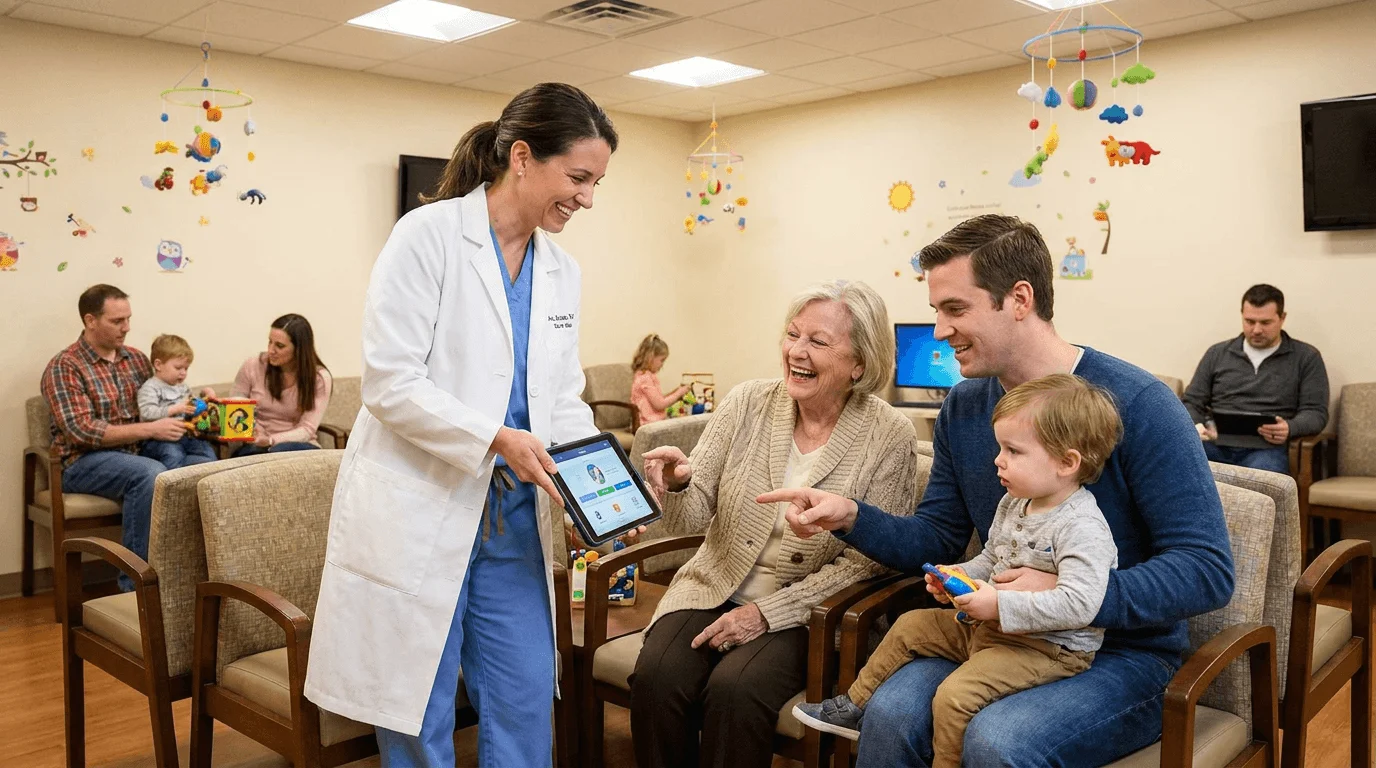
Leveraging Technology and Data for Advanced Family Health Management
Next-generation family health management means putting technology and data at the core of your strategy. From AI-powered predictive analytics to health apps that track every step and calorie, digital innovation empowers practices to deliver more timely, accurate, and proactive care. Population health data, when combined with family-specific information, helps target interventions precisely where they’re most needed.
Cloud-based EMRs and integrated patient portals streamline access to health history, chronic disease management plans, and preventive care schedules. These platforms enable real-time communication and progress tracking, letting your practice spot small problems before they escalate. AI tools can use pattern recognition to predict which family members may need additional support—such as more frequent diabetes screenings or early intervention for mental health concerns—creating a truly data-driven approach to care management.
Digital Tools for Disease Management and Outcomes Tracking
A modern family health management infrastructure includes EMRs with robust family documentation features, easy-to-use health apps for tracking exercise, medication, or symptom changes, and secure patient portals for immediate information sharing. When layered with population health data—information on national and local disease trends—practices can spot patterns at the family or community level and deploy targeted interventions. The newest generation of AI-driven analytics augments this capability, helping predict chronic disease progression or flag missed follow-ups before they turn into health crises, further empowering care providers and patients alike.
Comparison of Leading Family Health Management Tools
Tool Name |
Key Features |
Best For |
Integration Level |
|---|---|---|---|
EPIC MyChart Family |
Linked family health records, preventive reminders, messaging |
Comprehensive EMR-based practices |
Full EMR integration |
Healow Family App |
Mobile health tracking, telehealth, chronic disease monitoring tools |
Mobile-first, tech-savvy families |
Moderate, integrates with select EMRs |
Cerner PowerChart |
Family linkage, chronic disease profiles, dashboard visualization |
Large practices, hospital-based systems |
Full EMR integration |
Apple Health Sharing |
Cross-device tracking, integrated wellness tools, data sharing |
Tech-friendly individuals and families |
Partial, via third-party integrations |
Key Metrics for Measuring Family Health Management Success
How do you know if your family health management strategies are working? Success is measured by more than just appointment volume or lab results. Smart practices track a suite of key performance indicators (KPIs) that paint a full picture of patient engagement, clinical outcomes, and satisfaction for families and providers alike. These metrics provide real-time feedback, help pinpoint areas for improvement, and allow for continuous evolution of your care model.
For practices aiming to differentiate on quality, focusing on both clinical and experiential metrics delivers a sustainable competitive advantage. Patient- and family-reported outcomes, paired with concrete data on chronic disease control, offer the insights needed to optimize every step of the family care journey.
Essential KPIs in Family Health and Care Management
Some of the most critical KPIs for family health management include adherence to preventive care schedules (immunizations, screenings), chronic disease control rates (e.g., A1c for diabetics, blood pressure for hypertensives), and patient/family satisfaction survey results. Practices should also consider tracking staff burnout rates and the frequency of proactive communication with families. Together, these metrics help leaders fine-tune operational workflows, target resource allocation, and elevate overall care quality.
Sample Metrics Dashboard: Family Health Management Outcomes
Metric |
Target |
Current Status |
|---|---|---|
Annual Preventive Visit Completion |
95%+ |
88% |
Chronic Disease Control (Diabetes A1c <7%) |
>74% |
71% |
Patient/Family Satisfaction (Net Promoter Score) |
80+ |
78 |
Telehealth Utilization Rate |
30%+ |
25% |
Missed Appointment Rate |
<5% |
4.2% |
Practical Steps for Optimizing Family Health Management in Your Practice
Turning insight into action is what separates average practices from truly exceptional ones. Start by evaluating your current workflows, identifying gaps in both data and communication, and engaging your entire team in solution-building. Incremental improvements—smarter training, new digital tools, standardized family health templates—can have an outsized impact on patient experience and outcomes. Encouraging every member of the care team to view family health management as core to their role fuels accountability and ongoing improvement.
Finally, don’t be afraid to experiment. Pilot small changes (e.g., new onboarding scripts or EMR configurations), collect feedback, and iterate quickly. Success in family health management is a moving target, and the most innovative practices are those who continually listen, learn, and adapt.
Building and Training Your Family Health Team
An effective family health management program starts with your people. Every staff member, from nurses to front office team, should have a baseline understanding of chronic disease processes and best practices for health promotion across the age spectrum. Encourage ongoing training focused on recognizing early signs of chronic illness, deftly addressing mental health with compassion, and utilizing technology to streamline care. Integrating new digital tools—EMRs, telehealth platforms, family health apps—should be seamless, with clear protocols and hands-on learning. This not only empowers your care teams but also ensures every family receives the highest standard of care.
-
Checklist: 5 Steps to Launch a Family Health Management Program
Assess current care management workflows and identify family health gaps
Train all team members in core family and chronic disease management skills
Deploy technology tools for family health data integration and communication
Set clear KPIs for success—across preventive care, chronic disease, and satisfaction
Pilot, collect feedback, and optimize continuously for improved outcomes

People Also Ask: Your Top Family Health Management Questions Answered
What does family management mean?
Family management in a health care context means organizing, coordinating, and supporting the well-being of all family members through unified care plans, continuous monitoring, and effective communication. This approach addresses shared risk factors, empowers each family member to take part in their health journey, and ensures care is proactive and personalized. In modern settings, this also includes leveraging technology and care teams to weave together preventive care, chronic illness management, and mental health support into one seamless experience.
What is an example of family health care?
A typical example of family health care could be a concierge practice coordinating annual physicals, immunizations, and preventive screenings for both parents and children, while also managing a grandparent’s diabetes and checking in on a teenager’s mental health. The care team uses digital health records, tracks medication adherence, and keeps communication lines open among ALL family members, ensuring early intervention and continuous support for a healthier, more resilient family.
What do health care management do?
Health care management professionals design, implement, and oversee processes that ensure patients receive coordinated, efficient, high-quality care. In a family context, care management includes creating personalized health plans, tracking health status, managing chronic diseases, integrating behavioral health, and supporting preventive health activities. These professionals also ensure smooth communication among care team members, families, and specialists, delivering better outcomes and higher satisfaction.
How to get help with chronic illness?
To get help with chronic illness, families should work with primary care providers experienced in chronic disease management who can coordinate care plans, provide regular screenings, and connect them to specialized resources as needed. Leveraging a team-based, technology-enabled approach—such as remote monitoring through apps or telehealth visits—can also help catch problems early and keep family members engaged in their care. Never hesitate to ask your care providers for specific support or educational resources tailored to your family’s needs.
Frequently Asked Questions About Family Health Management
How does technology support family health management?
Technology enables families and providers to track preventive visits, chronic disease trends, and mental health progress in real time. EMRs, health apps, and automated reminders foster seamless communication, spot early risks, and support shared decision-making.
What specific data should practices track for best outcomes?
Effective practices track preventive care completion, chronic disease markers (e.g., blood sugar, blood pressure), medication adherence, patient/family satisfaction, and care team response times. Combining these data points uncovers gaps and optimizes care delivery.
How should families communicate with care management teams?
Open, ongoing communication is best. Families should use secure messages, onsite meetings, and portal-based tools to share updates, clarify care plans, and report new symptoms. Regular check-ins build trust, improve health literacy, and ensure every family member’s concerns are addressed.
Key Takeaways for Concierge and DPC Leaders: Family Health Management Essentials
Family health management drives better outcomes for every age group
Embracing digital tools and coordinated care models reduces risk and burnout
Early intervention in chronic disease pays long-term dividends
Open communication and clear processes build trust — for patients and staff
Ready to Transform Your Practice? Start Improving Family Health Management Today
By embracing structured, technology-driven family health management, your practice can deliver higher quality care with less burnout and stronger, healthier families for the long run. Start with small but strategic improvements—and watch your results grow.
Family health management is a journey that evolves with every new insight and innovation. If you’re ready to take your approach to the next level, consider how integrating emotional wellness strategies—such as those found in dental and orthodontic care—can further boost confidence and holistic health for your patients. For a deeper dive into the intersection of physical health and emotional well-being, explore our resource on teeth straightening and its impact on overall wellness. By broadening your perspective and embracing advanced, patient-centered techniques, you’ll empower families to thrive in every aspect of their lives.





Write A Comment