


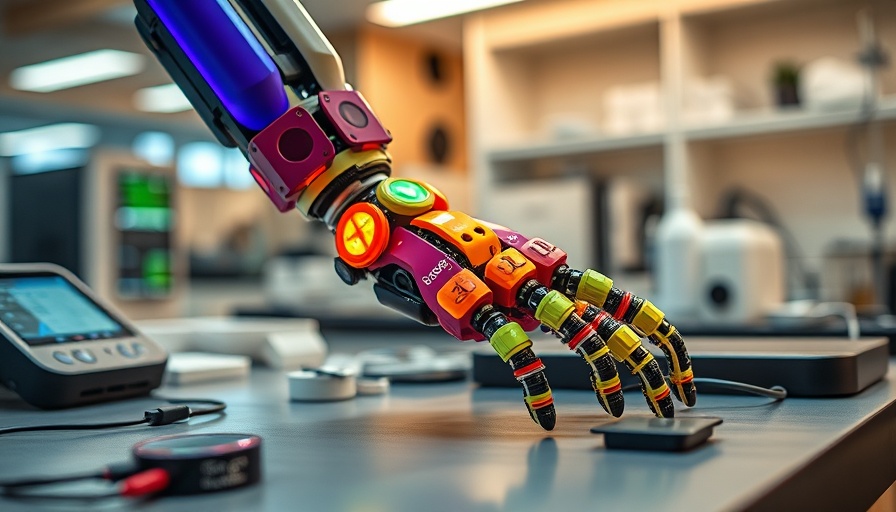
Revolutionizing Prosthetics with Natural Control
The quest for a prosthetic limb that mimics the natural function of a human hand is gaining momentum, thanks to groundbreaking research from the Italian Institute of Technology and Imperial College London. This remarkable study highlights a significant breakthrough in how humans can connect with bionic limbs by leveraging the natural patterns of hand movements. By understanding and replicating these complex movement patterns, researchers are pioneering a new era of prosthetic design that could vastly improve user experience for individuals with limb deficiencies.
Understanding Sensorimotor Synergies
The study emphasizes the concept of sensorimotor synergies—the coordinated muscular and joint movement patterns that our nervous system employs to control our limbs. This principle forms the basis of the new soft prosthetic hand developed by researchers. By using sensorimotor synergy theories, they’ve designed a soft prosthetic hand capable of performing intricate movements that feel natural to the user. This innovative design approach aims to create bionic limbs that users perceive as an extension of their own body.
Testing and Results: Influencing Real-World Applications
Real-world applications of this research were tested with eleven participants without physical impairments and three users of prosthetics. Their positive feedback further underscores the prosthetic’s potential to offer a more human-like experience. Participants reported that the soft prosthetic hand provided an immediate sense of control that is often lacking in traditional designs. This response is particularly significant, as many prosthetic users abandon such devices due to frustration over their mechanical and unnatural usability.
From Prosthetics to Future Robotic Integration
The implications of this research extend far beyond enhanced prosthetics. By establishing a more natural feeling interface that connects the nervous system to artificial limbs, the door is opened for future advancements in human-robot integration. This integration could revolutionize assistive technologies, making them more intuitive and responsive to human needs.
Counterarguments: Challenges and Skepticism
Despite the promising advancements, there are challenges that remain to be addressed. Skeptics argue that the application of sensorimotor synergy in broader contexts may not translate effectively due to the vast differences in human anatomy and neurological variability. Additionally, there are concerns about accessibility and affordability for the manufacturing and distribution of such advanced prosthetic devices. Ensuring that these advancements reach underserved populations will be crucial in determining their overall impact.
A Glimpse into the Future of Healthcare Technology
As the field of healthcare technology evolves, these advancements could also drive new treatment methodologies and practices for health practitioners. Concierge health practitioners, in particular, need to stay ahead of these developments to enhance patient care and relationships. Being informed about the latest innovations in prosthetics can aid in better counseling patients on their options and the realistic benefits these technologies offer.
The Human Angle: Empowering Users
The emotional impact of creating prosthetic limbs that feel natural cannot be understated. Users often report a resurgence in independence and self-esteem as these devices begin to respond in a way that mirrors the functionality of natural limbs. This drive toward more ‘human’ bionic limbs speaks not only to technological advancement but also to the profound human need for belonging and self-sufficiency.
Conclusion: A New Hope for Prosthetic Users
As research progresses, the collaboration between advanced robotics and neuroscience promises to enrich the lives of those reliant on prosthetics. This innovative approach signifies not just a leap in technology, but also a step towards a more inclusive world where those with physical challenges can partake more fully in everyday life. The excitement surrounding these developments signals a hope-filled future for enhanced patient care and bionic technology integration.





Write A Comment