


The Future of Rapid Viral Testing is Here
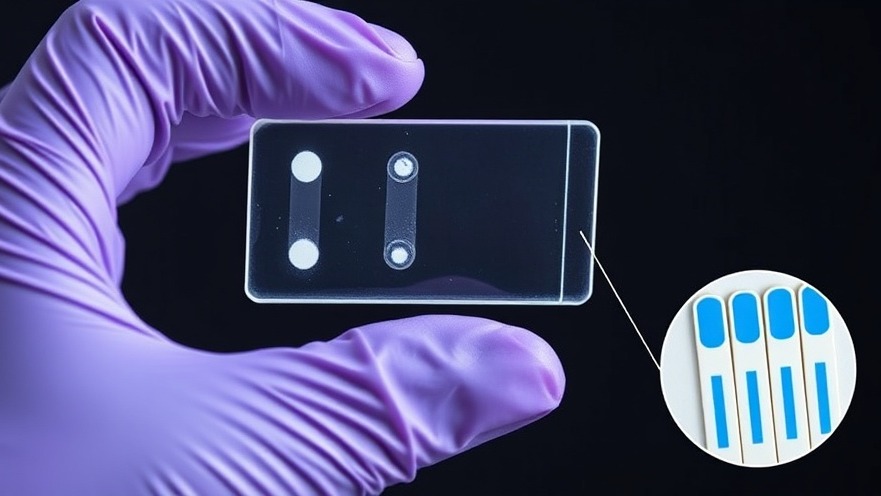
In a significant breakthrough reported by researchers at the University of Illinois Urbana-Champaign’s Grainger College of Engineering, a new protocol has been introduced that can detect RNA viruses such as Zika and hepatitis C in just hours, without the need for lab-grade equipment. This portable testing solution promises to revolutionize medical diagnostics, especially in low-income regions where access to sophisticated medical facilities is limited.
How It Works: An Innovative Approach
The newly developed protocol highlights a shift in thinking about point-of-care (POC) testing, emphasizing the need for processes that eliminate the lengthy traditional laboratory methods. Instead of requiring complex laboratory-grade equipment, this method uses a simple handheld reader and a portable heater, making it viable for deployment in remote areas. The researchers pioneered this approach by utilizing heat to dry blood samples, preserving the viral RNA for amplification and detection through fluorescence.
Advantages of Point-of-Care Testing
The lead author on the study, Jongwon Lim, emphasizes that current medical infrastructure predominantly revolves around standard-of-care (SOC) testing, which involves transporting samples to labs for processing. This challenge is particularly pronounced in low-income countries where quick diagnoses can save lives, yet accessibility remains a barrier for timely treatment. The innovative protocol developed by Lim and the team resolves this issue by performing tests on-site, significantly speeding up diagnosis and subsequent treatments.
Overcoming the Bottlenecks of Traditional Methods
Historically, standard testing procedures entail purification of blood samples in laboratory settings before they can undergo any sort of molecular detection. This purification requires sophisticated tools like centrifuges, often inaccessible in resource-limited settings, thereby delaying diagnosis. Instead, the researchers focused on creating a solution that does not require these purifying steps: a method expressly designed for the realities of place-to-care environments.
Real-World Implications for Health Practitioners
This advancement has multi-layered implications for healthcare practitioners, especially those servicing populations vulnerable to viral outbreaks such as Zika and hepatitis C. Practitioners can now administer tests directly in the field, allowing for immediate results and decisions regarding patient care. Such tools empower health practitioners to swiftly address public health crises, ensuring a proactive rather than reactive approach in patient treatment.
A Shift Towards Accessible Healthcare Technologies
The introduction of portable testing methods predicates a shift in healthcare practices and technologies. As the healthcare landscape continually evolves, the clamor for accessible, efficient, and quick testing solutions grows louder. This innovation aligns perfectly with the growing trend towards decentralization in healthcare, enabling faster responses and enhancing patient outcomes.
Conclusion
Healthcare practitioners must stay informed and adaptable to evolving technologies that promise to enhance patient care. The development of rapid, portable tests for viral infections signifies a monumental stride toward more equitable healthcare, particularly in under-resourced areas. Embracing such advancements not only sharpens diagnostic capabilities but also highlights the integrity of a health system eager to evolve in the interests of better patient outcomes. As we proceed, keeping abreast of these medical innovations is essential for delivering optimal care to our patients.
Stay abreast of innovations like these in healthcare technology to better serve your patients quickly and effectively.







Write A Comment