


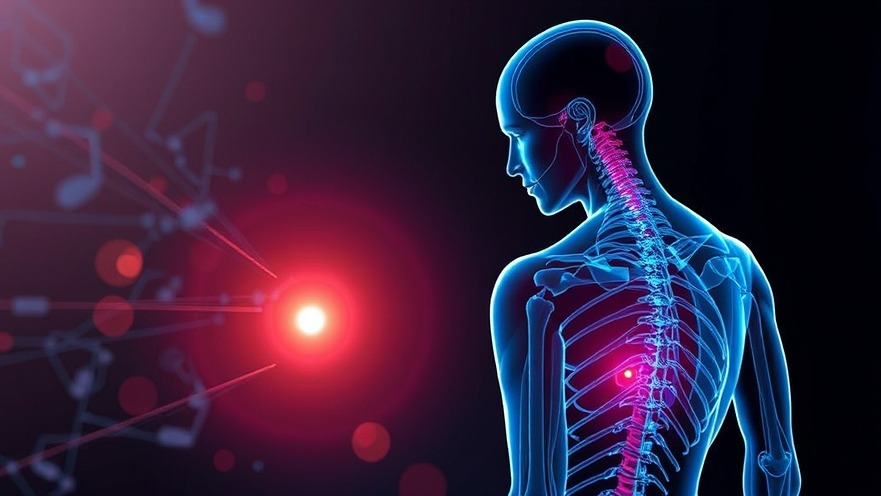
Innovative Approach to Spinal Treatment: The Role of Electrical Stimulation
Electrical stimulation is emerging as a groundbreaking technique for treating spinal injuries, offering new hope for patients suffering from debilitating conditions such as paralysis, pain, and spasticity. Researchers at UT Southwestern Medical Center have designed an innovative electrode grid that can deliver non-invasive, low-voltage electrical stimulation directly through the skin. This method has proven to be safe and user-friendly, setting the stage for a transformative approach to spinal care.
Understanding the Mechanism: How Electrical Stimulation Works
The research team, led by Dr. Yasin Dhaher and grad student Hyungtaek "Tony" Kim, published their findings in the Journal of Neural Engineering. They discovered that stimulating spinal neurons can temporarily alter their function, presenting a promising alternative for those unable or unwilling to undergo invasive procedures. Unlike conventional methods that often require surgical interventions, this technique circumvents the inherent risks, such as infection and long recovery times, making it an appealing option for both practitioners and patients.
Why This Research is Timely and Valuable
As healthcare practitioners, staying updated on advancements in treatment methodologies is essential. This development in electrical stimulation addresses a long-standing challenge in neurology—the need for effective non-invasive treatments for spinal cord dysfunction. With millions affected by spinal injuries, this advancement could redefine therapeutic protocols and improve patient outcomes dramatically. Practitioners should consider the implications of this technology in their practices, as it represents a significant leap forward in managing spinal conditions.
Research Insights: The Science Behind the Electrical Grid
The electrode grid crafted by UTSW researchers features eight pairs of electrodes arranged in a 4-by-4-inch layout, strategically designed to create a 'localized' electric field. This specificity is crucial, as spinal neurons contain intricate pathways that require precise targeting for optimal stimulation. The study revealed that by manipulating the orientation of the electric field, the effect on spinal neuron activity could be directed to specific regions, showcasing a nuanced understanding of spinal dynamics.
Potential Applications: Expanding Beyond Spinal Injuries
While the immediate applications focus on spinal injuries, researchers suggest that this technology could extend to various neurological conditions, including stroke recovery and pain management. The ability to noninvasively modulate spinal circuits can lead to enhanced therapeutic strategies across multiple disciplines in medicine. Furthermore, this progress may inspire new explorations into other facets of neurology where similar stimulation techniques could result in significant advancements.
Future Trends in Spinal Treatment: What Lies Ahead
Looking ahead, the potential to integrate such technologies into routine practice raises questions about accessibility and patient education. As concierge health practitioners, proactively familiarizing oneself with such innovations is pivotal. The emergence of non-invasive stimulation techniques will likely spark discussions around best practices, insurance coverage, and patient eligibility criteria for these advanced treatments. Understanding the evolving landscape of spinal injury management is essential for maintaining patient trust and effective care.
Conclusion: Embracing Change in Patient Care
The development of non-invasive electrical stimulation therapy represents a significant advancement in the field of spinal care. As healthcare providers, it is crucial to stay informed about these changes that can directly impact patient health outcomes. Consider integrating this knowledge into your practice and advising patients on the latest treatment options available for spinal conditions.
Act now and explore how the latest innovations can be incorporated into your practice to provide better care for your patients. Stay ahead in the medical field by keeping abreast of cutting-edge technologies and being a proactive advocate for your patients' health.





Write A Comment