


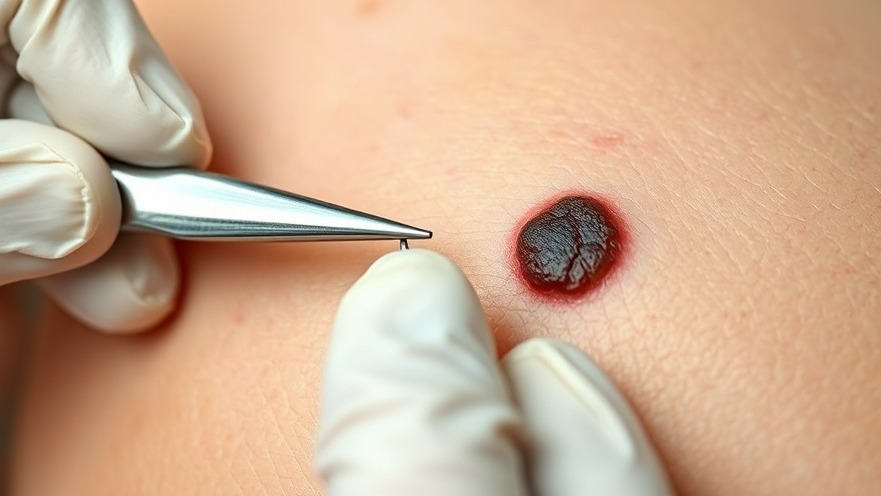
The Latest Hope in Melanoma Treatment: iSCIB1+
In a significant advancement for advanced melanoma treatment, the FDA has granted regenerative medicine advanced therapy (RMAT) designation to Scancell's experimental DNA-based immunotherapy, iSCIB1+. This designation comes as the company reports that an impressive 71% of patients receiving this treatment remained free of disease progression for two years. The stakes for melanoma patients are incredibly high, with an alarming estimate of 112,000 new skin melanoma cases and 8,510 deaths projected in the U.S. for 2026, according to cancer statistics.
Understanding iSCIB1+ and Its Approach
iSCIB1+ is part of Scancell's innovative ImmunoBody platform and is administered as a needle-free injection, allowing for a more comfortable experience for patients. This DNA vaccine encodes antibodies that target gp100 and TRP-2, proteins known to be present on melanoma cells. Its core purpose is to enlist the immune system's T-cells to recognize and combat cancer cells. However, the results need to be viewed with caution as they are based on company-reported data from an open-label trial, lacking the rigor of a randomized controlled trial.
Progression-Free Survival: A Closer Look
In the SCOPE trial, participants received iSCIB1+ alongside established first-line treatments, ipilimumab and nivolumab. Encouragingly, 87% of patients receiving iSCIB1+ were alive at the two-year mark, with roughly 31% experiencing a complete response, meaning no detectable cancer was found during scans. This contrasts starkly with results from the phase 3 CheckMate 067 trial, which reported only 41.5% progression-free survival with conventional immunotherapy alone, highlighting the potential of iSCIB1+, even though the comparison is not direct.
The Need for Caution with Early Data
While the preliminary results from iSCIB1+ are promising, they require careful interpretation. The lack of a randomized control group raises questions about the efficacy of the new treatment compared to existing therapies. Notably, the progression-free survival data reported are based on a selection of patients defined by their human leukocyte antigen (HLA) type, paving a path for precision medicine. However, small sample sizes can contribute to variability in results, which is why the FDA recommends further large-scale randomized trials before definitive conclusions can be drawn.
RMAT Designation: What It Means for Future Approvals
The RMAT designation is a significant milestone as it streamlines the path toward regulatory approval while encouraging interaction with the FDA throughout the development process. Scancell's CEO emphasizes that this closer engagement marks a pivotal step as they prepare for a global phase 3 trial scheduled to enroll patients this December. Although this designation is not the same as approval, it provides hope for more effective treatments in the near future.
Encouragement for Concierge Practices
As a concierge medical practice owner, understanding advancements like iSCIB1+ offers not just a glimpse into the future of cancer therapy but also highlights the importance of personalized patient care. By integrating innovative treatments and methods of patient communication, you can elevate your practice and reassure patients that they are receiving cutting-edge care. This knowledge empowers you to remain a leader in your local medical community, fostering connections with patients who seek comprehensive wellness strategies.
Final Thoughts on Melanoma Innovations
Being informed about emerging therapies and their implications allows you to provide your patients with the highest standard of care. As research on immunotherapies like iSCIB1+ evolves, staying abreast of these developments can help shape the trajectory of your practice and strengthen patient relationships. Committing to high-quality care with innovative strategies positions you as a trusted provider in your community.







Write A Comment