


Revolutionizing Vascular Treatment with Magnetic Microrobots
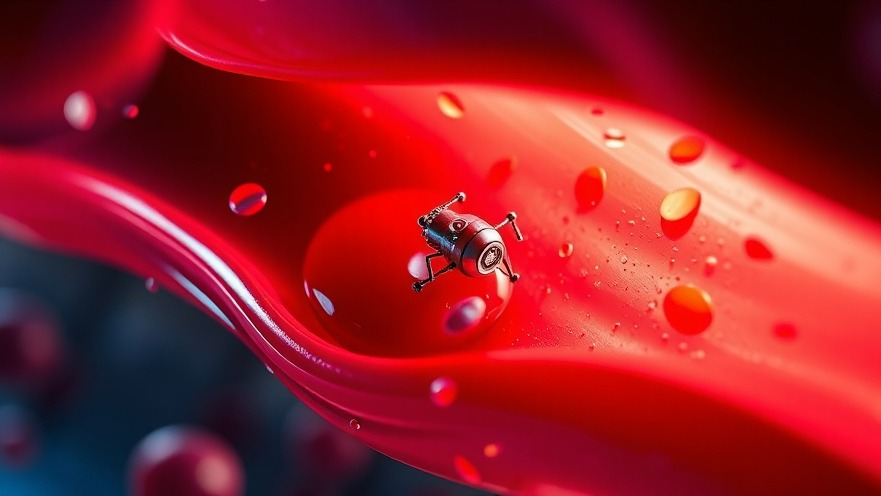
Researchers from the University of Twente and Radboud University Medical Center have developed innovative magnetic microrobots capable of removing blood clots from the iliac artery of sheep, heralding a new era in treatment for life-threatening vascular conditions like thrombosis. This breakthrough is particularly impactful as traditional treatments often struggle with clots located in difficult-to-reach areas of the body.
Understanding the Mechanisms of Action
The research showcases three primary methods for effectively dealing with blood clots: mechanical fragmentation, chemical lysis using fibrinolytics, and a hybrid approach that merges both techniques. Of these, the hybrid approach stands out for its ability to minimize the risk of embolisms—small fragments of the clot breaking loose and causing blockages elsewhere in the circulatory system. This innovative technology not only disintegrates clots but also ensures that fragments are dissolved before they can travel downstream, a key advancement in preventing further health complications.
The Importance of Minimally Invasive Procedures
Cardiovascular diseases, particularly thrombosis, continue to be a leading cause of mortality globally, claiming approximately one in four lives. Patients suffering from life-threatening clots often face risks during standard surgical procedures. The screw-shaped magnetic microrobots operate wirelessly and are capable of swimming through vascular networks, making procedures significantly less invasive and reducing recovery times for patients.
X-ray Guidance: A Game Changer in Precision
The incorporation of real-time X-ray guidance marks a pivotal enhancement in this field. With this technology, physicians can visualize the action of these miniaturized tools as they navigate clots. This development not only allows for the precise targeting of clots but also supports the ongoing realization of advanced surgical techniques that could improve patient outcomes across a variety of vascular interventions.
Potential Extensions to Other Medical Applications
Beyond clot removal, the microrobots hold promise for a wider range of targeted treatments. By being able to deliver drugs specifically to affected areas, this approach minimizes side effects compared to traditional systemic delivery methods. Existing research from the University of Houston equally emphasizes the potential of magnetically controlled robots to revolutionize surgical techniques, demonstrating that collaborative initiatives across institutions can lead to promising breakthroughs in robotics and medicine.
Addressing the Future of Healthcare with Automation
The emerging trend of using robots in clinical settings highlights a shift towards automation that could significantly improve the efficiency and effectiveness of medical treatments. Researchers like Dr. Aaron Becker at the University of Houston have been deeply involved in exploring these technological advancements, securing grants to further research in the development of collaborative robotic swarm systems. As these technologies advance, they promise to address current healthcare challenges efficiently.
Conclusion: Embracing Innovation in Medicine
As magnetic microrobots emerge as a viable solution for removing blood clots, concierge health practitioners must stay informed about these advancements. Understanding their potential can empower practitioners to offer improved treatment options that could significantly alter the prognosis for patients at risk of thrombosis. The integration of technology with traditional medicine opens up exciting possibilities, and staying ahead of such innovations is critical.
If you're interested in exploring more about how these advancements can impact your practice, consider staying updated with the latest research and innovations in healthcare technology.





Write A Comment