


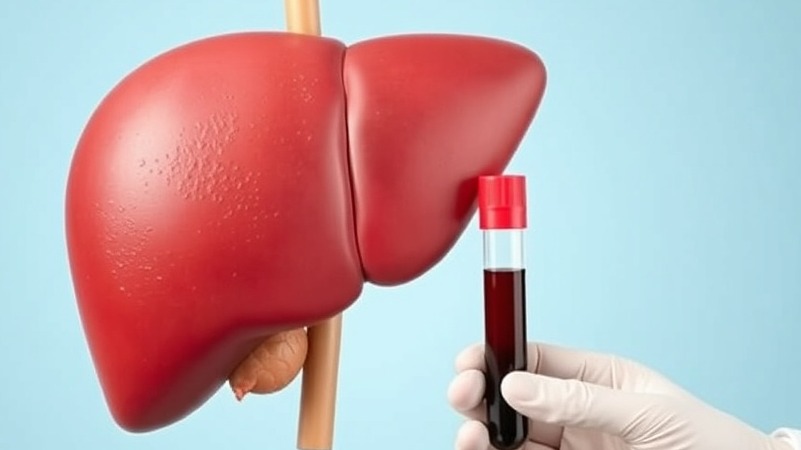
Revolutionizing Fatty Liver Disease Assessment
In recent years, there has been a growing focus on non-invasive methods for diagnosing metabolic dysfunction-associated steatotic liver disease (MASLD), often referred to as fatty liver disease. A study spearheaded by the Institute of Translational Immunology at Johannes Gutenberg University Mainz has identified thrombospondin-2 (TSP2) as a single blood protein with promising potential in assessing this condition—marking a significant advancement in patient care and health technology.
The Significance of Non-Invasive Testing
Traditionally, assessing liver health necessitated invasive liver biopsies, which while accurate, carry their risks and discomforts for patients. The recent findings from the LITMUS (Liver Investigation: Testing Marker Utility in Steatohepatitis) study underscore the necessity for more accessible diagnostic techniques. By analyzing data from 1,590 patients across 37 liver centers over a span from 2018 to 2023, researchers are moving towards developing testing that can be efficiently carried out in a typical clinical setting without the need for surgery.
The Power of TSP2
TSP2, a connective tissue protein, has emerged as a frontrunner among 30 tested biomarkers, particularly excelling in identifying notable liver fibrotic changes. The study sheds light on how measuring the concentration of TSP2 in the bloodstream can provide invaluable insights into liver health, notably indicating the risk of cirrhosis among patients diagnosed with MASH. This finding is critical for practitioners looking to monitor and treat liver health more effectively.
Future Implications for Concierge Health Practitioners
This breakthrough has substantial implications for concierge health practitioners who prioritize delivering cutting-edge care to their patients. By staying informed about advancements such as the TSP2 test, practitioners can integrate these insights into their patient management strategies. Providing clients with options for non-invasive testing can lead to better patient outcomes, especially regarding early detection and management of liver diseases.
Actionable Insights for Practitioners
Health practitioners should consider the following strategies in light of these developments:
Stay updated on new research in liver disease diagnostics to provide informed guidance to patients.
Encourage conversations with patients about the importance of liver health and the emerging tests available, including TSP2.
Advocate for preventive measures in practice, discussing lifestyle adjustments that can mitigate risk factors associated with fatty liver disease.
Anticipating the Future of Liver Diagnostics
Experts predict that the integration of advanced biomarkers in clinical practice could transform how liver diseases like MASLD are detected and treated. As awareness of liver health grows, there will likely be more emphasis on technological advancements that streamline diagnostics while prioritizing patient comfort. Monitoring the evolving landscape of liver diagnostics will enable health practitioners to adapt their practices accordingly and ensure that patients receive optimal care.
Paving the Way to Better Patient Outcomes
The advancements in liver disease diagnostics through non-invasive methods represent a pivotal change in careful patient assessment and treatment methodology. Encouraging practitioners to embrace these innovations is vital, as they can lead to improved health outcomes and foster better patient trust. TSP2 not only offers a glimpse into the future of liver health but also highlights the growing importance of accessible technologies in modern medicine.
Conclusion: Take Charge of Liver Health
As the healthcare landscape continues evolving towards more patient-centered care, practitioners have greater responsibilities to stay ahead of innovations such as TSP2 in diagnosing liver diseases. By integrating this knowledge into practice, you can make informed decisions that ultimately benefit your patients—paving the way for healthier outcomes in treating and managing liver conditions.







Write A Comment