


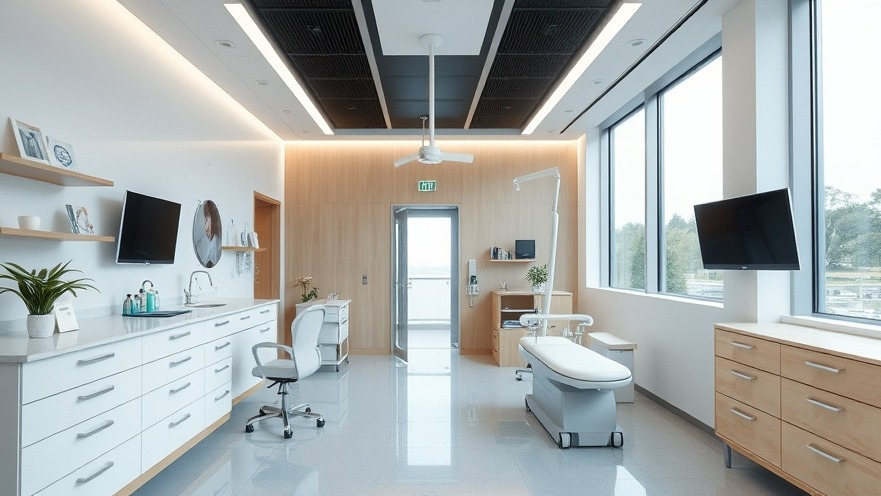
Creating a Welcoming Environment: The Role of Interior Design in Healthcare
As a physician, your primary focus may be on patient care, clinical outcomes, and the myriad complexities of running a practice. Yet, an often-overlooked aspect of healthcare is the impact that your physical environment has on both patient perception and operational success. The concept of healthcare interior design is gaining traction, and for good reason: the aesthetic and functional elements of your practice can significantly influence financial health.
Understanding the Connection Between Design and Patient Experience
Imagine walking into a brightly lit, well-organized clinic versus one that is dim, cluttered, and uninviting. Psychologically, our environments convey messages long before we engage with the individuals within them. Studies have shown that patients' experiences can immensely improve with thoughtful design choices, such as comfortable waiting areas, efficient flow of traffic, and calming colors. This positive experience often leads to increased patient retention and satisfaction, ultimately driving better financial performance for the practice.
Data-Driven Design: Evidence of a Financial Upside
Research supports the assertion that an inviting and well thought-out environment can lead to enhanced profitability. For example, a study published in the 'Journal of Healthcare Management' highlighted that medical practices with intentionally designed waiting rooms saw a 15% increase in patient retention rates. This correlation underscores the necessity of viewing interior design not merely as an aesthetic choice but as a strategic business decision.
Staff Retention: A Factor of Workplace Environment
Not only does how your practice looks affect patients, but it carries equal weight for your staff. A well-designed workspace can reduce stress and promote productivity, leading to lower turnover rates. In the bustling world of concierge medicine, where the staff's dedication can influence the patient experience, investment in a supportive and engaging workspace is essential. Design elements such as ergonomic furniture, open spaces, and collaborative areas can enhance team dynamics and job satisfaction.
Aligning Design with Your Practice's Vision
As you consider incorporating design changes, take the time to align these decisions with your practice's overall vision and mission. Your brand identity should manifest not just in your branding materials, but in your physical space. Visitors should feel a sense of continuity between your marketing message and the atmosphere you cultivate within your walls.
Next Steps: Implementing Effective Design Strategies
If you're contemplating a redesign or new build, start by evaluating your current space through the lens of healthcare design. Consult with designers who specialize in healthcare to create a space that embodies professionalism while maintaining warmth and approachability. Reflect on the emotional responses you want to evoke in your patients and ensure that every design element crafts that narrative. You don’t have to navigate these waters alone; industry conferences and resources like the Concierge Medicine Today Leadership Hub can provide invaluable insights.
Conclusion: Transforming Your Space for Better Outcomes
In today's competitive healthcare landscape, taking a holistic approach to practice management includes prioritizing your physical environment. Beyond attracting new patients, investing in interior design fosters stronger relationships with your current patients and staff. The results can be profound: a welcoming, comfortable space can not only improve satisfaction and health outcomes but also drive financial success.







Write A Comment