


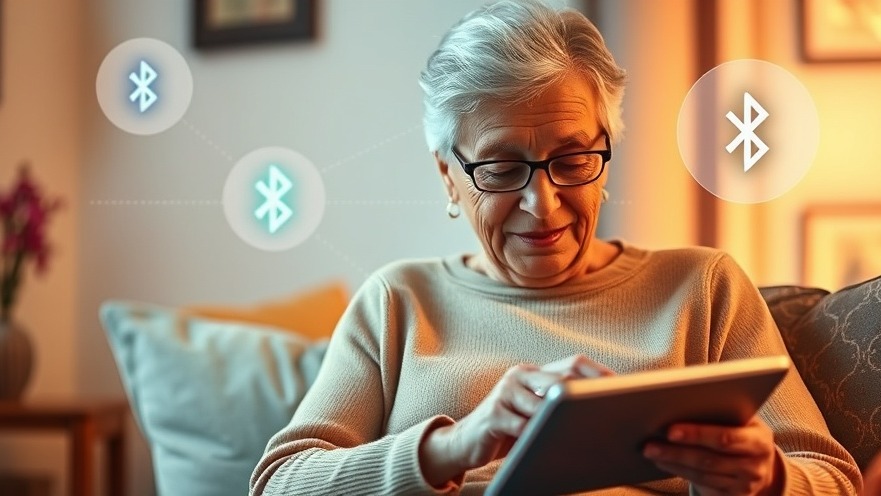
Revolutionizing Elder Care with Bluetooth Technology
The integration of technology into health care continues to evolve, and one of the most promising advancements is the Bluetooth-based Indoor Positioning System (IPS) designed for older adults. A recent study by researchers at McMaster University reveals how this innovative solution can significantly enhance mobility tracking and independence among seniors. This article delves into the details of this technology and its implications for health care systems, particularly for those specializing in elder care.
How Does the Bluetooth-based IPS Work?
This new IPS utilizes Bluetooth Low Energy (BLE) beacons strategically installed in residential spaces to continuously monitor locations within the home environment. Unlike traditional GPS, which struggles indoors, the BLE system is perfect for tracking individuals without requiring elaborate setups or services. With a cost-effective price tag of around $200, it represents a low-energy and economical option for real-time monitoring.
Improving Patient Safety and Caregiver Efficiency
For healthcare practitioners, particularly those focused on concierge health services, embracing such innovative technologies is essential. The IPS enables caregivers to receive alerts whenever an older adult falls or strays beyond a designated safe area. With a 96% accuracy rate in detecting users' movements, this system could enhance the safety and well-being of seniors while allowing for greater independence.
Future Predictions: Expanding the Use of Indoor Positioning Systems
As technology continues to evolve, the implications for elder care are profound. Professionals in the field are likely to see a growing trend towards integrating these kinds of systems not just in homes, but potentially in assisted living facilities and during transport to medical appointments. With the ability to track both patients and medical equipment seamlessly, the potential for increased efficiency and safety is significant.
Potential Challenges and Considerations
While the IPS provides immense benefits, it is crucial to address privacy concerns that may arise from constant monitoring of individuals. How will data be protected, and who will have access to this information? Ensuring that ethical frameworks are in place to guide the use of such technologies is vital as we move forward.
Making a Case for Implementation in Practices
As a practitioner keen on keeping up-to-date with technological advancements, understanding the benefits that the Bluetooth IPS offers can allow you to make informed decisions about its potential adoption in your practice. By fostering greater independence for older adults, you can improve both patient satisfaction and quality of care, aligning with the goals of modern health care.
Call to Action: Embrace the Future of Elder Care
Incorporating Bluetooth-based IPS into your practice isn’t just about enhancing technology; it’s about expanding the level of care and supervision for your elderly patients. Contact us today to learn more about how you can integrate these innovative systems that promise to enhance both safety and independence for older adults.





Write A Comment