


Decoding Your Blood Pressure: Why It Matters
Understanding blood pressure readings is akin to reading a map in your health journey. The top number (systolic) measures the pressure when your heart beats, while the bottom number (diastolic) gauges the pressure when your heart rests between beats. Recent guidelines from the American Heart Association provide clear classifications to help you and the patients you serve: Normal blood pressure is below 120/80 mm Hg, with elevated readings ranging from 120-129 systolic and below 80 diastolic. Stage 1 hypertension occurs at 130-139/80-89 mm Hg, and Stage 2 hypertension at 140/90 mm Hg or higher. Importantly, if systolic and diastolic readings fall into different categories, the higher category applies, ultimately guiding both patients and physicians in treatment decisions.
The Role of Patient Consultation: Personalizing Care
For your practice, it is crucial to engage in open dialogues with patients about their blood pressure readings. Diagnosis should not solely rely on singular measurements but should consider a pattern of results spanning time. This includes discussing variations influenced by factors like stress, exercise, and even caffeine intake. Patients often experience differing readings in healthcare settings versus their home environments, highlighting the importance of consistent monitoring and the potential recommendation of home monitoring devices.
Home Monitoring: An Empowering Tool
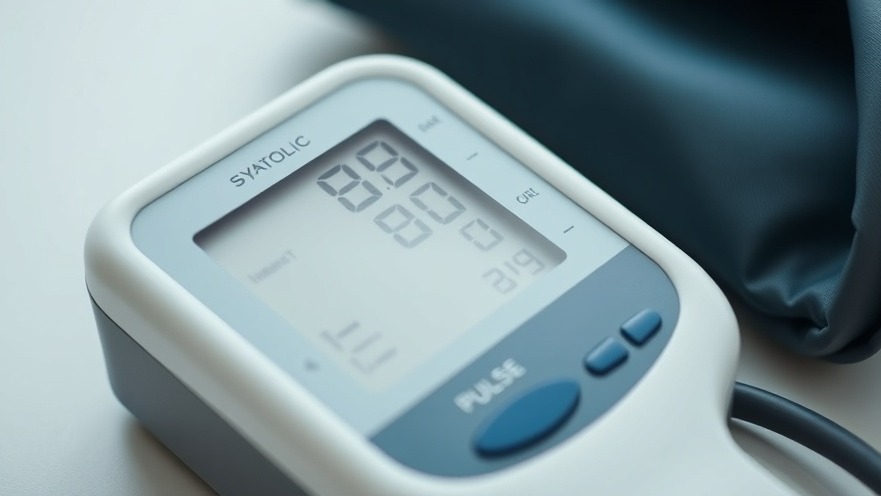
For patients eager to keep track of their health, home blood pressure monitors present a practical solution. When advising your patients, suggest an automatic upper-arm monitor verified for accuracy, ensuring the cuff fits well for reliable readings. It’s vital for them to perform measurements correctly: abstaining from caffeine and smoking 30 minutes prior, sitting calmly for five minutes, and taking two readings one minute apart are steps that can enhance accuracy. Encourage them to document these results and share them during follow-ups, making it easier for you to guide adjustments in treatment plans as needed.
The Treatment Paradigm: Balancing Lifestyle and Medication
Understanding how to respond when blood pressure remains high is essential. As practitioners, we must assess the full context of a patient's readings against their medical history and potential risk factors for cardiovascular diseases. In individuals with higher risk profiles, medication may be necessary even at lower blood pressure levels. For those at lower cardiovascular risk, recommending lifestyle modifications—like adopting the DASH eating plan filled with fruits, vegetables, whole grains, and lean proteins—could be the first line of treatment. Encouraging regular physical activity tailored to each patient’s capacity further supports this approach.
Why Lifestyle Choices Matter: A Heartfelt Approach
The power of gradual lifestyle changes cannot be understated in managing hypertension. Encourage your patients to focus on heart-healthy diets and regular exercise, making realistic adjustments in their daily routines. Simple tweaks such as cooking at home to control sodium intake, or opting for walks instead of car rides can significantly impact their blood pressure management journey. Sharing success stories from other patients strengthens the community bond and inspires those struggling with hypertension to adopt healthier habits.
The Future of Blood Pressure Management: Innovations Ahead
As you consider your practice's growth, incorporating technology into hypertension management can enhance patient engagement and adherence. Mobile apps that track blood pressure trends or telehealth services that facilitate remote consultations are becoming increasingly popular. These innovations not only provide convenience but also foster a pro-active approach to managing patients' health conditions. Emphasizing your practice's commitment to leveraging technology for improved heart health can strengthen your community standing and appeal to potential patients.
Seize the Opportunity: Empower Your Patients
In your practice of concierge medicine, empowering your patients with knowledge about blood pressure management is vital. Encourage them to take ownership of their health by understanding their blood pressure readings, regularly monitoring their levels at home, and making informed dietary and lifestyle choices. Cultivating this understanding paves the way for both improved health outcomes and a more robust patient-practice relationship. As you move forward, remain at the forefront of hypertension management by continuing conversations about these critical health indicators.
Invite your patients to schedule a comprehensive review of their health today. Explore how monitoring and managing blood pressure can lead to a healthier lifestyle and better medical outcomes.







Write A Comment