


Florida’s Amendment 3: A Disruption in Property Taxes and Public Health
On November 3, Florida voters decisively passed Amendment 3, which raises the homestead exemption on non-school property taxes to $150,000 in 2027 and $250,000 in 2028. The approval from roughly 62% of voters marks a significant constitutional change, clearing the necessary 60% threshold. However, the timing of the amendment comes amid Florida's largest local dengue outbreak in decades, raising urgent questions about the possible consequences of this new tax legislation.
Surge in Dengue Cases Amid Economic Relief
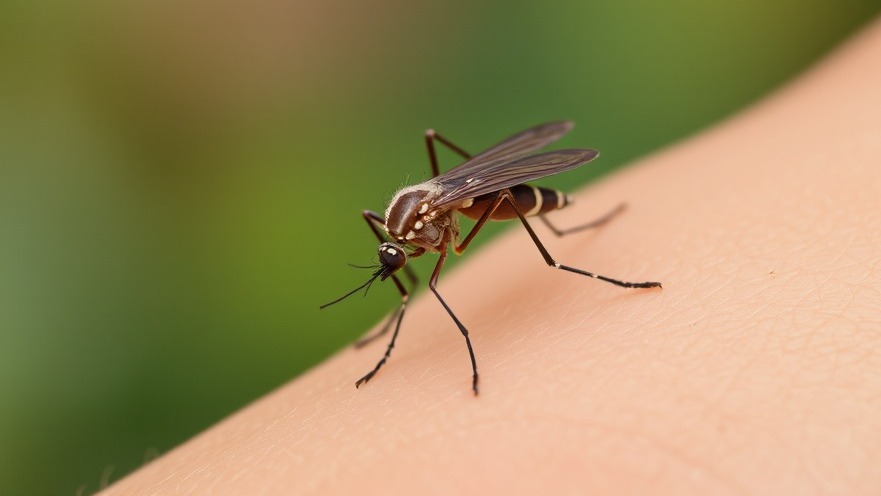
As of the latest report covering October 18 to 24, Florida has recorded 485 locally acquired dengue cases, with Hillsborough County alone accounting for 385. This alarming health crisis casts a shadow on the implications of the newly passed Amendment 3. Many mosquito control agencies rely heavily on property tax revenues to fund their operations, which are crucial in combatting rising dengue cases.
Funding Challenges for Mosquito Control Districts
Floridians should be aware that the majority of the state’s mosquito control programs are funded solely through property taxes. The Florida Mosquito Control Association projects that the reduction in property tax revenue could lead to a significant budget decrease for these essential services. For instance, Pasco County Mosquito Control District anticipates cutting $4.7 million over two years if Amendment 3 takes effect, with immediate impacts on mosquito surveillance, disease monitoring, and treatment options. These cuts could directly affect public health responses as dengue cases continue to rise.
The Balance between Tax Relief and Public Health
While proponents of Amendment 3, like Governor Ron DeSantis, argue that homeowners could see savings of approximately $1,300 on their tax bill starting in 2027, critics highlight the essential nature of mosquito control as part of public health infrastructure.
Ernest Hooper from United Way Suncoast stated, “We can’t make up for the losses that our nonprofit partners are going to suffer.” As budget cuts loom ahead, there are valid concerns that diminished funding may lead to delays and inefficiencies in handling ongoing public health crises, especially with dengue threatening lives in the community.
Community Responses and Future Implications
Local governments face a daunting task ahead as they must seek innovative ways to adjust budgets in light of prospective property tax reductions. In a scenario where revenues plummet, they may be compelled to shift resources from other vital services, further straining the community's safety nets.
Moreover, mosquito control experts advocate for designating mosquito management as a core service analogous to firefighting and policing to ensure sustainable funding. Such a move could be key to maintaining public safety amidst these budgetary challenges.
Next Steps for Medical Practices and Community Health Advocates
For concierge medical practices, it's crucial to remain informed about local public health initiatives and community well-being. Staying abreast of developments related to mosquito control funding could allow medical practitioners to guide patients better on preventive measures against diseases like dengue and engage in community support initiatives. Emphasizing health communication and patient connection will become increasingly important as community health infrastructure faces pressures from fiscal changes.
Conclusion: The Path Forward in Healthcare and Community Support
Florida's Amendment 3 serves as a wake-up call for both homeowners seeking tax relief and local health authorities anticipating budgetary constraints. As the situation evolves, recognizing the intertwined relationship between public health and fiscal responsibilities will be critical. Health professionals, especially in concierge medicine, should leverage this moment to deepen patient relationships through education, addressing public health concerns, and cultivating community trust. Engaging in these conversations can foster a supportive environment and ensure that essential services and patient care stand resilient against upheavals caused by legislative changes.







Write A Comment