


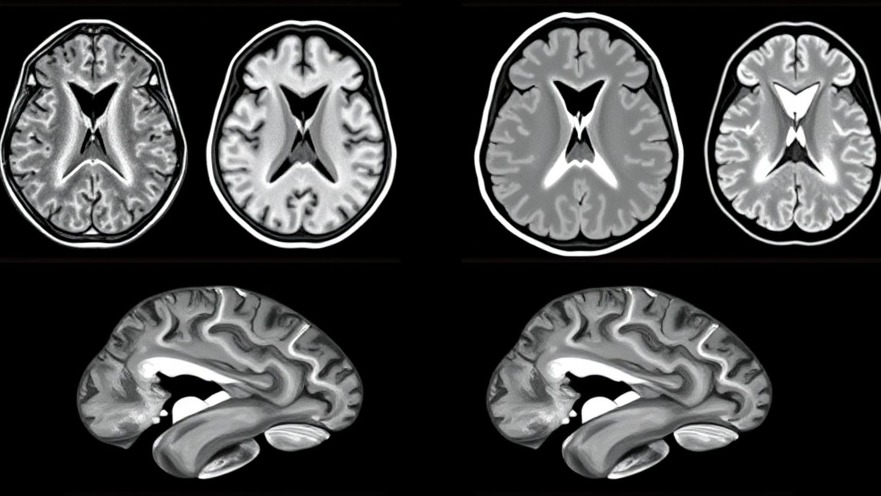
The Unusual Case of a Young Man's Health Crisis
In a surprising turn of events, a 24-year-old man from Japan began to experience severe health issues that left his life in turmoil. Initially an independent worker, his health spiraled downward over several months, leading to troubling symptoms resembling those found in older adults suffering from cognitive decline. His journey highlighted the profound impact that an unexpected medical condition can have on an individual's quality of life.
Breaking Down the Symptoms: More Than Just a Tremor
The series of symptoms reported by this patient included a bobbing motion of his head, memory loss, difficulties in walking, and loss of bladder control. All these signs combined to present a misunderstood case. Most concerning were the cognitive functions that appeared diminished, as measured by the Montreal Cognitive Assessment, indicating severe impairment.
This case challenges certain preconceptions we might hold about health crises being solely linked to age. As healthcare providers in the concierge model, understanding such complexities can enhance our patient connections by allowing for more comprehensive assessments, recognizing that age is not always the defining factor.
Surgical Solutions and Creative Diagnoses
Upon further investigation, healthcare professionals identified a rare cause: an aqueductal web, a membrane obstructing fluid drainage from the brain. This discovery led to the diagnosis of bobble-head doll syndrome, a rare movement disorder that has been primarily noted in older adults. Such findings emphasize the importance of remaining open to alternative diagnoses and creative solutions.
The choice of a programmable ventriculoperitoneal shunt as opposed to conventional endoscopic procedures showcased the need for adaptive practices in medicine. Surgeons made their decision based on imaging difficulties, but ultimately, the shunt successfully resolved the tremors and allowed for gradual recovery of cognitive functions.
Patient Recovery: The Path to Independence
The patient’s pathway to recovery illustrated the complexity of treatment in young adults with conditions often associated with aging populations. Although the head tremors subsided, the patient faced lingering challenges with memory even 10 months post-surgery. This persistent impairment is a vital reminder for practitioners about the multifaceted nature of recovery.
As medical professionals in concierge medicine, fostering effective communication and support during recovery is crucial in helping patients navigate their ongoing challenges. Patients want to feel understood and cared for, especially when dealing with long-term changes in their health status.
Long-Term Implications and the Importance of Follow-Up
This case also underscores potential risks associated with shunt placements, including possible malfunction or infection over time. Such factors are critical for medical providers to discuss with patients upfront, ensuring they are fully informed about their treatment options.
As engagement with patients deepens, your practice can improve by offering resources for regular follow-ups and lifestyle adjustments that might support their recovery journey. Educating patients on the importance of monitoring their health post-treatment is vital in concierge practices, facilitating trust and loyalty.
Emphasizing the Human Aspect of Medical Care
A case like this reminds us that behind every diagnosis is a human being with hopes, fears, and aspirations. It encourages concierge medical practitioners to foster deeper patient relationships by going beyond just treating symptoms. Engaging in empathetic discussions around patients’ challenges after a medical disturbance could transform recovery experiences.
In conclusion, while the intricacies of this case reveal startling medical phenomena, they also shine a light on the core values that make concierge medicine a unique and patient-centered approach. As you strive to be the leading concierge practice, stories like these emphasize the importance of nurturing not just the physical, but also the emotional well-being of your patients.







Write A Comment