


Understanding the Risks of Indoor Tanning
Indoor tanning is often chosen for its immediate cosmetic benefits, but the potential dangers, especially to eye health, are often overlooked. Tanning beds can emit UV rays that are 100 times stronger than those from the sun, translating to a significant risk for both skin and eye damage. The American Academy of Dermatology Association reported that 87 percent of indoor tanners continue this habit despite knowledge of its dangers. According to the World Health Organization's International Agency for Research on Cancer, the cancer risk from tanning beds is alarmingly high, making awareness of protective measures vital.
How Indoor Tanning Can Wreak Havoc on Your Eyes
When it comes to eye health, the implications of indoor tanning can be profound. Eye damage from UV exposure can manifest in various ways, including:
Photokeratitis: Often referred to as “sunburned eyes,” it is a painful condition that can cause temporary vision loss.
Cataracts: Prolonged UV exposure increases the risk of cataracts forming, leading to blurred vision and potential blindness if untreated.
Skin Cancer on the Eyelids: The delicate skin surrounding the eyes is susceptible to cancer from UV damage.
Dr. Philip R. Rizzuto, an ophthalmologist, emphasizes that UV damage is cumulative, suggesting that younger individuals, particularly teens and young adults, must be vigilant in protecting their eyes.
Protective Measures: Keeping Your Eyes Safe
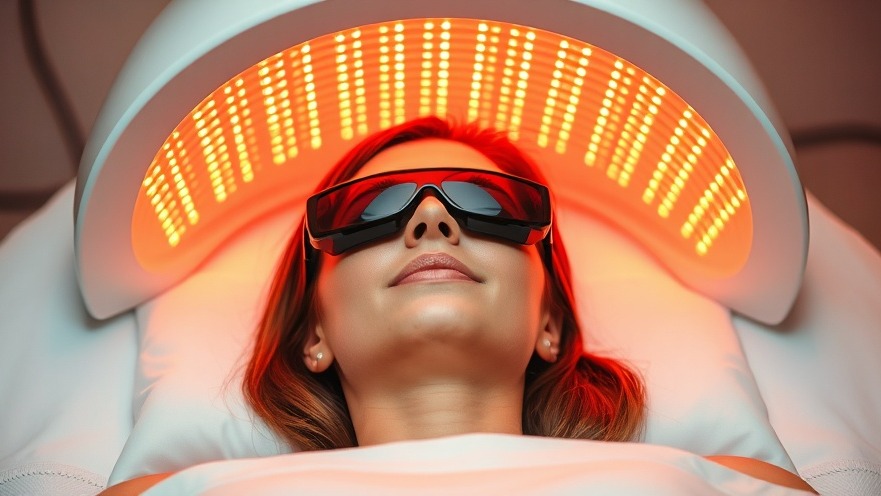
While some users of tanning beds operate under the misconception that closing their eyes is sufficient protection, experts stress that protective eyewear is crucial. Eye goggles that cover the eyelids completely are designed to shield against harmful UV rays, preventing damage that could lead to long-term health concerns. Furthermore, regular eye exams can catch potential issues early. It is advisable to inform your ophthalmologist about any tanning bed use to provide a complete picture of your eye health.
Why Skipping the Tanning Bed Might Be Best
Considering the health risks, it might be worthwhile for individuals to reconsider indoor tanning altogether. A tan is not a marker of health; instead, it signifies skin damage from UV exposure. Embracing healthier alternatives, like self-tanners or bronzers, can provide a similar aesthetic without the associated risks. Moreover, incorporating a holistic approach to wellness, including proper nutrition and regular checks for skin and eye health, may ultimately lead to better outcomes for many patients.
Final Thoughts: Elevating Patient Care
For concierge medical practice owners, ushering in a heightened awareness of the dangers of indoor tanning can set your practice apart as a leader in patient wellness. Educating patients about the significant health risks associated with indoor tanning not only fosters a trusting relationship but also assures them that their well-being is prioritized. By combining empathy and science, practices can navigate these conversations effectively, ensuring patients make informed decisions about their health.






Write A Comment