


Imagine walking into a doctor’s office where everyone—not just you, but your whole family—is recognized by name and story. Your care team already knows your medical history and recent test results, asks how your child’s asthma is doing, discusses your parents’ medications, and even remembers your biggest health goals from last year. In this future of medicine, you’re more than a chart—you’re seen as a whole person within your family, empowered to stay healthy together. Personalized family medical care is transforming health care as we know it by putting real relationships and proactive support at the center of family medicine. If you’ve ever wished health care could feel less transactional and more like a true partnership, you’ll want to know how this approach changes everything.

How Personalized Family Medical Care Creates Real Relationships and Better Outcomes
At the heart of personalized family medical care is a deep commitment to forming genuine doctor-patient relationships. Unlike traditional primary care, where appointments often feel rushed and impersonal, this innovative model gives families time, attention, and consistency. By establishing a strong foundation of trust and familiarity, your family medicine provider becomes a partner—not just for sick visits but for lifelong health. For busy families and practice leaders alike, the benefits are immediate: fewer fragmented visits, coordinated care plans, and a go-to care team that understands your unique health needs at every stage of life.
Patients report remarkable improvements in their overall care experience, from easier appointment scheduling to actionable preventive care strategies. Practices see lower staff burnout, higher patient retention, and an increase in positive feedback. This isn’t just anecdotal; concierge family medicine models have demonstrated measurable improvements in health outcomes, access, and satisfaction. When providers care for patients across generations, they gain crucial insights into hereditary risks, lifestyle factors, and family dynamics—leading to more effective and compassionate care. Personalized family medical care is a game changer, building healthier communities and more resilient practices.
As families and providers embrace these relationship-driven models, it's important to recognize how overall wellness is influenced by both physical and emotional health. For example, exploring the connection between self-confidence and health outcomes—such as the impact of teeth straightening on emotional wellness and confidence—can further enhance the holistic approach that personalized care delivers.
“Personalized care isn’t about luxury—it’s about listening, remembering, and acting with empathy. That’s how family medicine builds lifelong trust.” — Dr. L. Martinez, Concierge Health Hub Advisor
What You'll Learn in This Guide to Personalized Family Medical Care
How personalized family medical care compares to traditional primary care and health care models
The tangible benefits for patients, physicians, and practices
Key services and technology that enable personalized care for families
Concrete steps to adopting or choosing a personalized medical care solution
Defining Personalized Family Medical Care in Today’s Health Care Landscape
What is Personalized Family Medical Care?
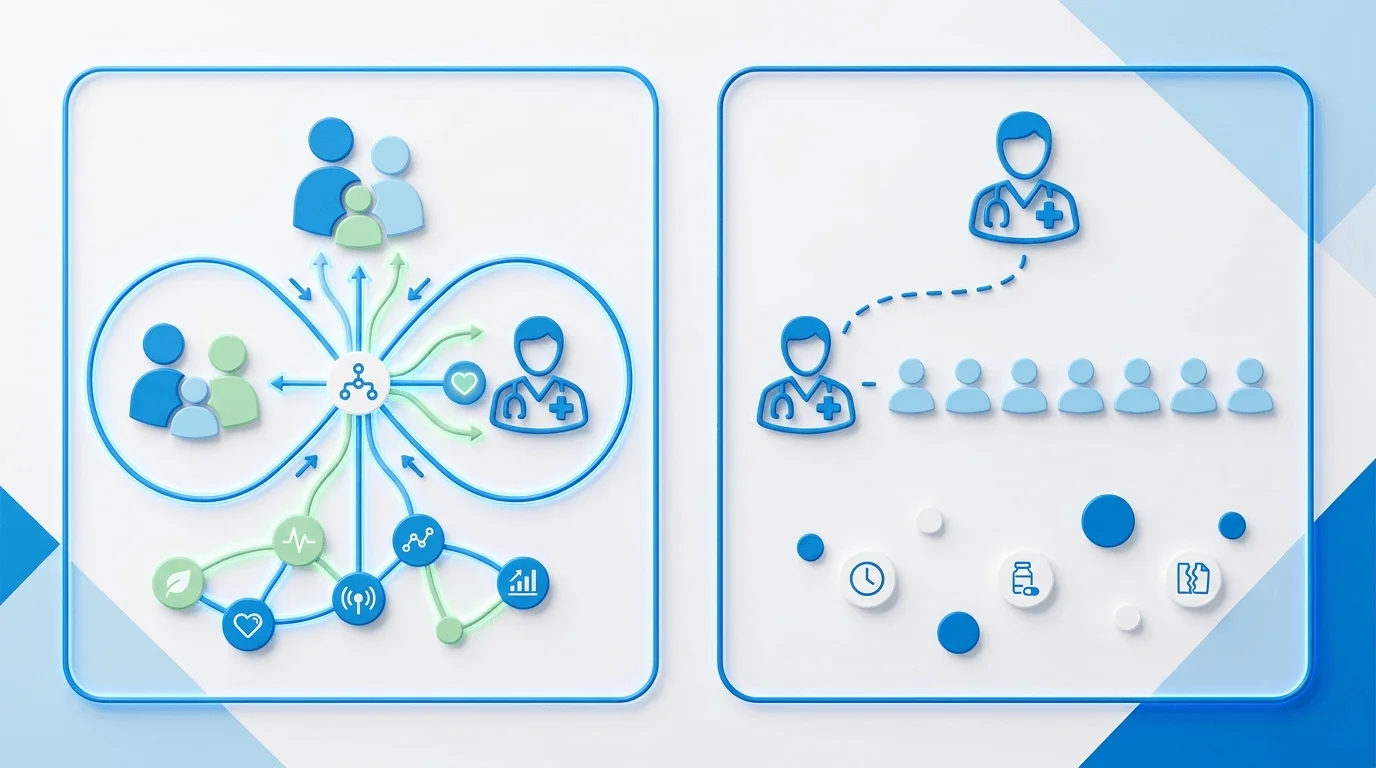
Personalized family medical care describes a comprehensive, relationship-based approach to health care that centers the needs of each individual and their family as a unit. Unlike the one-size-fits-all model found in many health care systems, personalized care teams take time to understand your family’s unique medical history, risk factors, preferences, and values. The goal is not just to treat symptoms, but to foster good health across the lifespan—anticipating risks, offering preventive care, and supporting families through every stage of life.
This model is increasingly delivered through membership-based or “concierge” primary care practices, where doctors carry smaller patient panels, ensuring longer appointments and greater availability. Care services are often mapped to the realities of busy modern families: same-day urgent care, telehealth options, and seamless communication channels between your family and your care team. In short, personalized family medical care empowers patients to take charge of their health, while giving physicians the latitude to provide attentive, proactive, and truly compassionate care.
How Does Family Medicine Differ From Standard Primary Care?
While both family medicine and standard primary care strive to keep patients healthy, there are important distinctions. Family medicine physicians are uniquely trained to care for patients of all ages, often treating multiple generations within a single family. This holistic approach enables the doctor to spot trends and hereditary conditions that may otherwise be missed in isolated, episodic treatment. With personalized care, family medicine providers go even further: they dive deeper into your social and emotional context, coordinate care services, and act as long-term partners in your family’s well-being.
In standard primary care settings, high patient loads and administrative demands often force providers to prioritize efficiency over relationships. Appointments may feel rushed and access to your provider can be unpredictable. By contrast, the personalized family medical model leverages strong relationships, extended appointment times, and technology-enabled communication to enhance patient care. The result is a more coordinated, less fragmented experience—one that addresses not just acute problems but the broader arc of your family’s health journey.
A Quick Comparison: Personalized Care Models vs. Traditional Health Care
Let’s break it down with a side-by-side comparison highlighting what truly sets personalized family medical care apart from legacy health care models. Whether you’re a practice leader thinking about making the switch, or a family considering your options, clarity on these differences can help you make a more empowered decision for long-term optimal health.
Model Type |
Doctor-Patient Ratio |
Appointment Length |
Access |
Relationship Building |
Core Approach |
|---|---|---|---|---|---|
Personalized Family Medical Care |
Low (150-600) |
30–60+ minutes |
24/7 direct provider access, same/next-day visits |
High—multigenerational relationship focus |
Proactive, holistic, patient-centered |
Traditional Primary Care |
High (1,500+) |
10–20 minutes |
Office hours, waitlists, phone queues |
Moderate—episodic relationships |
Problem-focused, volume-driven |
Broader Health Care Models |
Variable (often highest) |
5–15 minutes |
Emergency, urgent care, fragmented |
Low—little continuity |
Acute, reactive, system-centered |

Key Benefits of Personalized Family Medical Care for Patients and Practices
Improved Health Outcomes and Preventive Care
Data shows that focusing on long-term relationships and individualized attention leads to better results for patients. Providers can catch early warning signs of chronic disease, manage complex health conditions more effectively, and offer tailored preventive care that aligns with each family’s circumstances. From proactively tracking immunizations for children to designing diabetes prevention plans for adults with family history, patients experience true support in pursuing good health.
For practices, the shift away from transactional medicine means staff have bandwidth for meaningful care. Physician satisfaction rises, patient panels are healthier, and everyone benefits from fewer administrative burdens. This approach nurtures a proactive “whole-person” culture, where preventive care takes precedence and every touchpoint is an opportunity to reinforce healthy habits and resilience.
Building Long-Term Family Relationships Through Medical Care
When care teams work with families over years and decades, trust grows and communication deepens. Parents can discuss developmental milestones, grandparents’ medication needs, or a teen’s mental health—all with one provider who knows their joint and individual histories. Family medicine works because it sees health care as a lifelong journey, not just a series of urgent care or sick visits.
This continuity gives families peace of mind in moments of crisis and everyday health questions alike. Providers gain insight not just into medical chart data, but into the emotional and social dynamics that influence well-being. By understanding the full picture, personalized family medical care fosters early intervention, better adherence to care plans, and support that addresses real-world barriers facing families today.
Enhanced Access: What 24/7 Primary Care Actually Looks Like
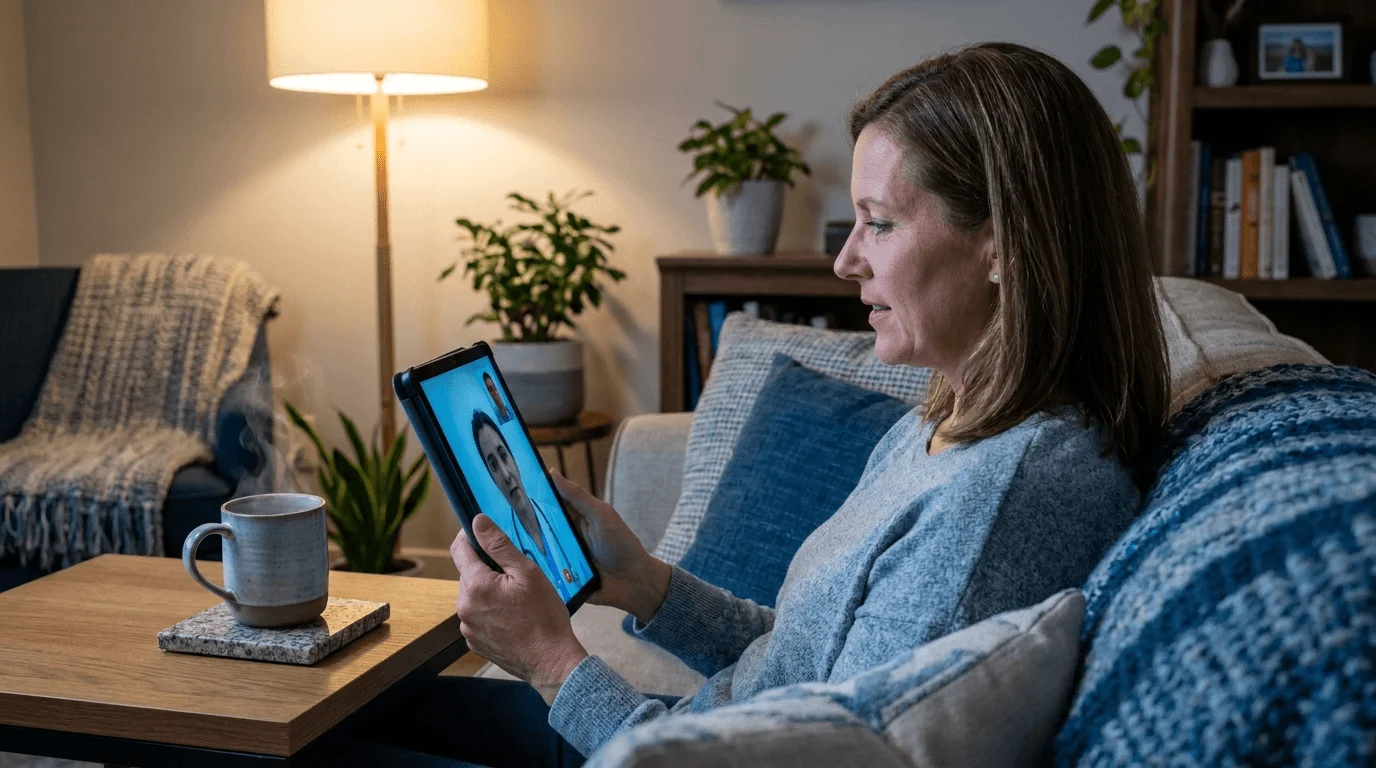
One of the hallmarks of personalized family medical care is responsive, around-the-clock access to your care team. Instead of waiting weeks for an office visit or navigating impersonal urgent care centers, you can reach your family medicine provider via direct line, secure messaging, or video chat—often outside traditional business hours. This transforms the primary care experience, allowing working parents and busy caregivers to get support when they need it most.
Enhanced access isn’t just convenient—it’s a safety net. Quick answers to urgent questions, immediate management of unexpected symptoms, and same-day appointments can prevent hospitalizations and avoid unnecessary ER visits. Practices offering 24/7 access report higher patient loyalty and trust, while families experience less anxiety and greater confidence navigating their health care journeys.
The Core Elements of Personalized Family Medical Care Services
Same-day or next-day appointments for family medicine needs
Direct communication channels with your care team
Personalized care plans for every stage of life
Technology integration (telehealth, patient portals, home monitoring)
Coordinated specialty referrals and care navigation
Is Personalized Family Medical Care the Right Choice for Your Practice or Family?
Questions to Ask Before Choosing a Family Medical Provider
Not every practice is equally equipped to deliver truly personalized family medical care. Whether you’re a physician assessing a practice model shift or a family researching your options, ask these questions:
What is the provider’s patient panel size and how does it impact appointment access?
Is there an established care team, and how do they communicate with patients outside of office visits?
Are individualized care plans, preventive screenings, and chronic disease management included?
What technology tools (telehealth, portals) are offered for remote or after-hours support?
Does the provider have experience working across stages of life, from pediatrics to geriatrics?
Prioritizing these core attributes helps families select care services that will deliver a noticeable difference in health outcomes and everyday support.
Cost Considerations: Membership Fees vs. Traditional Health Care Billing
Many personalized family medical practices operate on a membership, retainer, or subscription model—charging a monthly or annual fee rather than billing solely for visits. While this can mean higher upfront costs compared to insurance-billed primary care, the value equation shifts when considering longer visits, 24/7 access, and fewer hidden fees. It’s important to weigh membership rates, included services, and whether your provider participates in insurance, Medicare Advantage plans, or accepts HSA/FSA dollars.
Practices benefit from predictable revenue and lower administrative overhead, enabling investment in technology and patient experience. For families, the peace of mind and time savings often outweigh marginal increases in cost—but each decision should be made in the context of your unique health and financial needs. Ask for a clear breakdown of charges, available care services, and support for any out-of-network expenses.
Real-World Example: Transitioning to Personalized Primary Care
Consider the story of a Texas-based family medicine clinic. After years of juggling high patient volumes and feeling the strain of administrative burnout, the leadership shifted to a membership-based, personalized care model. The clinic limited each physician’s patient panel to under 600, implemented same-day scheduling, and introduced secure digital messaging. Within a year, staff burnout dropped by 60%, and patient satisfaction scores reached their highest levels on record. This transition also enabled the team to coordinate more specialist referrals, monitor chronic conditions more closely, and truly deliver on the promise of patient-centered health care.
The experience mirrors that of many practices nationwide: downsizing panel size and reimagining workflows can rejuvenate both staff and patient experience. Success hinges on transparent communication, robust technology, and a shared commitment to proactive, personalized medicine.

How Personalized Family Medical Care Improves Patient Retention and Experience
Why Patients and Practices Choose Family Medicine Concierge Models
Both patients and providers are drawn to family medicine concierge models for one main reason: connection. Patients want to feel heard, cared for, and guided at every turn, especially when navigating complex health needs or chronic conditions. Providers, in turn, value the opportunity to form sustained relationships and practice medicine as it was meant to be—without assembly-line time constraints or faceless encounters.
Clinics that embrace this approach often see dramatic boosts in patient retention, reduced turnover, and a notable rise in enthusiastic referrals. Families don’t just receive medical advice; they experience a care philosophy centered on service, accessibility, and genuine partnership. These are the building blocks for trust, loyalty, and lasting health.
Practical Steps to Enhance Care Services and Stay Healthy as a Family
For practices aiming to deepen their personalized care offerings, several actionable steps can make a significant difference. Implementing direct communication channels (such as encrypted messaging and telehealth platforms) ensures swift, clear patient-provider exchanges beyond office hours. Training every team member to prioritize relationship-building—remembering milestones, celebrating wellness wins, and checking in on family dynamics—creates a culture of caring that resonates with patients.
Families can take an active role, too. Prepare questions in advance of visits, keep a running list of health concerns for the care team, and engage with digital tools to track medications and appointments. Regular check-ins, wellness screenings, and participation in preventive programs are all ways to stay healthy—together. The most successful care models are those in which families and physicians collaborate as partners in well-being.
“After switching to a personalized family medicine clinic, our staff burnout dropped by 60%—and our patients rated us higher than ever.” — Practice Owner, Texas
People Also Ask: Personalized Family Medical Care FAQs
How does personalized family medical care differ from regular primary care?
Personalized family medical care distinguishes itself by emphasizing long-term relationships, immediate access, and holistic service for entire families. Unlike regular primary care, which often centers on efficiency and addresses one problem at a time, personalized care means your provider gets to know your entire family, offers same-day visits, and proactively manages your preventive and chronic health needs. The difference is evident in appointment length, access, and the overall care experience.
What are the main features of personalized care for families?
The core features include low doctor-patient ratios, extended appointment times, 24/7 direct contact for urgent care or questions, customized care plans for all life stages, and robust technology integration like telehealth and secure patient portals. Personalized care for families also means coordinated referrals, regular preventive screenings, and team support that feels both attentive and compassionate.
Is personalized family medical care more expensive than traditional health care?
In many cases, personalized family medical care involves membership fees—which can be higher than the copays in insurance-based practices. However, these fees usually cover unlimited primary care visits, longer appointments, and around-the-clock access, reducing the need for separate urgent care or emergency visits and improving overall health outcomes. It’s essential to review the included services, out-of-pocket costs, and whether insurance reimbursements or HSA/FSA funds can help offset expenses before committing.

FAQs: Understanding Personalized Family Medical Care and Services
Can I use insurance with personalized family medical care services?
What types of families benefit the most from family medicine concierge models?
How can practices transition to offering more personalized care?
Are virtual care options included in most personalized medical care memberships?
What makes personalized family medical care unique from regular health care?
Key Takeaways for Adopting Personalized Family Medical Care
Personalized family medical care prioritizes relationships, convenience, and holistic primary care.
Patients experience faster access, more preventive support, and fewer administrative hurdles.
Practices enjoy better retention, higher satisfaction, and improved staff wellbeing.
Ready to Experience Personalized Family Medical Care? Join the Health Care Revolution Today
The future of health care is personal—and it’s already transforming families, communities, and practices nationwide. Whether you’re a physician contemplating next steps or a family seeking a better care experience, personalized family medical care offers an innovative, relationship-driven path to optimal health. Experience the difference: prioritize what matters most, partner with a care team that truly listens, and join the health care revolution with confidence.
As you continue your journey toward a more personalized and fulfilling health care experience, consider how every aspect of well-being—from physical health to emotional confidence—can be supported by a holistic care model. Exploring topics like the relationship between self-image and overall wellness, such as how dental health and confidence are intertwined, can offer new perspectives on comprehensive family care. For those interested in expanding their understanding of wellness beyond traditional medicine, discovering the emotional and confidence-boosting benefits of teeth straightening is a valuable next step. Embracing these broader insights empowers families and practices to cultivate resilience, happiness, and lifelong health together.





Write A Comment