


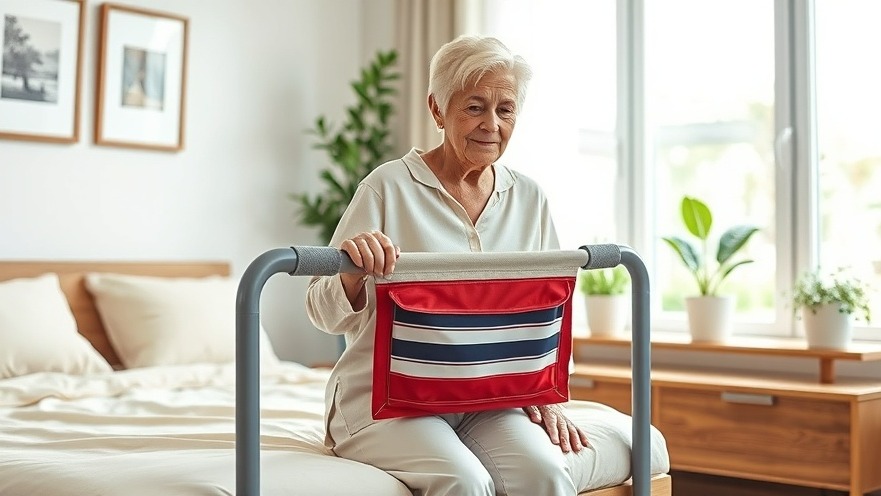
Understanding the Importance of Bed Rails for Aging Parents
Managing health and safety for aging relatives can be a daunting challenge. Many adult children overlook the dangers posed in everyday environments, such as bedrooms. In particular, getting in and out of bed can quietly transform into a perilous endeavor for older individuals. Alarmingly, falls account for the leading cause of accidental injury among Australians aged 65 and over, with approximately one in four experiencing a fall annually. As a concierge medical practice owner, understanding when a bed rail could enhance patient safety is essential, considering that various signs may indicate the need for additional support.
Recognizing Key Signs That Suggest A Bed Rail May Help
A patient’s comfort and safety don’t just rest on routine check-ups or medications; they often rely on their environment being conducive to their needs, especially as they age. Here are six crucial warning signs to look for that may signal it’s time to consider bed rails or poles:
1. Difficulty Getting Up or Rolling Over
Observation is critical; parents struggling to transition from lying down to sitting on the edge of the bed may lack the necessary core and arm strength. A report from Safer Care Victoria emphasizes that providing support during bed mobility is a primary reason families request bed rails. A half rail or bed pole nearby can offer a stable handhold to facilitate their movement.
2. Unsafe Standing Practices
When an older adult reaches for furniture—like bedside tables or door frames—to assist in standing, they are placing themselves at risk. These items aren’t designed to bear weight and can easily become unstable. Instead, a reliable handle installed beneath the mattress or a sturdy pole offers a safer alternative, ensuring they have something secure to grasp when getting up.
3. Experiencing Dizziness Upon Rising
It's not uncommon for individuals to feel light-headed when transitioning from lying to standing. If this is a consistent experience for your loved one, investing in a bed rail that they can hold onto while stabilizing themselves can provide both physical and psychological reassurance. Encourage them to mention this symptom to their healthcare provider, as medications can affect blood pressure and lead to dizziness.
4. History of Falls or Near Misses
Falls are not only dangerous; they can also lead to increased anxiety and personal paralysis. Healthdirect notes that if someone has fallen multiple times within six months, their risk of falling again escalates. Recognizing unexplained bruises or behavioral changes—like choosing to sleep in a more comfortable chair—might indicate hidden fears or past falls. Open and calm discussions about falls can ease concerns and encourage proactive conversations around safety measures.
5. Fear of Rolling Out of Bed
The fear that one might fall out of bed is itself a notable warning sign, leading to disrupted sleep patterns and reluctance to get out of bed. Patients who express fear but maintain clarity and awareness can benefit significantly from a well-fitted rail, which can restore their confidence in navigating their environment.
6. Changes Due to Health Issues or Medication
Recovering from illness, surgery, or adjusting to new medications can significantly affect stability and overall health. These changes may introduce new risks during nighttime routines. Temporary supports, such as bed rails or poles, can often be rented for those who only need them for a short period. Being mindful of healthcare updates and adjustments can ensure extra safety measures are implemented.
When Bed Rails Are Not The Solution
While bed rails can be beneficial, they aren’t universally appropriate. Safer Care Victoria cautions against their use for individuals struggling with confusion or delirium, as rails might inadvertently create hazardous situations. Additionally, the potential for entrapment between the bed rail and mattress exists, so it’s vital to monitor the context in which bed rails are used actively.
Empowering Patients and Families
Understanding these indicators empowers you, as a healthcare provider, to approach conversations about enhancing patient safety with empathy. It also fosters trust in your ability to advocate for their health and independence. As families look to you for expertise in guiding aging parents, keeping the dialogue open about such essential topics will solidify your practice’s reputation as a leader in holistic patient care.
In conclusion, consider recommending a thorough assessment of home safety for your patients experiencing any of the highlighted signs. Ensuring a safe living environment not only promotes physical health but also nurtures the overall well-being that defines quality aging. Let’s work towards creating safer homes for our loved ones.







Write A Comment