



Did you know that chronic diseases account for 70% of all global deaths, and yet an overwhelming 80% of these could be prevented with the right approach? Chronic disease management isn't just a buzzword—it may well be the missing piece to improving quality of care and reversing frightening health trends.
In this guide, you’ll dive into data-driven realities, program essentials, and breakthrough strategies shaping the future of health care. Whether you’re a patient, care provider, or policy-maker, the path to better health outcomes might start here.
Exploring Chronic Disease Management: The Untold Statistics that Reshape Health Care
Chronic disease management affects nearly half of adults around the world. Statistics reveal a startling reality: as populations age, chronic illnesses such as diabetes, heart disease, and asthma are becoming a leading challenge for health care systems. In the United States alone, chronic conditions drive more than 90% of the nation's $4.1 trillion in annual health expenditures. The demand for effective disease control and patient care is escalating—and the solutions go well beyond hospital visits and medication.
As these numbers reshape our understanding of long-term care, integrated chronic disease management programs emerge as important vehicles for change. By equipping care professionals, patients, and families with the tools they need, these initiatives foster quality of life improvements and reduce the overwhelming burden on the health care system. Let's unravel what these programs entail and the transformative benefits they promise.

Defining Chronic Disease Management: Principles and Models for Health Care
Chronic diseases—like heart failure, diabetes, chronic respiratory diseases, and hypertension—are typically non-communicable, persistent conditions requiring long-term management. According to the latest data from official health care sources, chronic conditions have surged due to factors such as sedentary lifestyles, aging populations, and environmental influences. In the United States, over 60% of adults have at least one chronic health condition.
The impact is far-reaching: chronic diseases often reduce quality of life, strain household finances, and stress health care resources. Globally, chronic conditions are responsible for a substantial share of disability-adjusted life years (DALYs) and healthcare-related costs annually. Addressing these requires not just treating symptoms, but engaging in health promotion, prevention, and multifaceted care coordination.
The prevalence and complexity of chronic health conditions demand new approaches in care delivery. Integrating management programs that support monitoring, timely intervention, and patient education is now seen as essential to transform care and mitigate the growing disease burden.
What is Disease Management? Integrating Care for Chronic Conditions
Disease management is a coordinated, proactive approach designed to help individuals with chronic diseases achieve the best health possible. Rather than focusing solely on reacting to acute flare-ups, a disease management program integrates prevention, continuous monitoring, medication adherence, lifestyle modifications, and regular check-ins with care professionals.
This holistic approach brings together care providers from multiple disciplines—primary care, nursing, pharmacy, nutrition, and behavioral health—to form an integrated care team. Through shared access to health data, collaborative planning, and frequent patient engagement, management programs ensure that care is seamless, proactive, and patient-centered.
At its heart, disease management aims to minimize hospitalization, prevent disease progression, and empower patients by making them active partners in their own health care journey. This shift reflects a broader move towards value-based care and population health management in modern health systems.
Essential Components of a Disease Management Program
A successful chronic disease management program typically incorporates individualized care plans, patient education, and robust monitoring systems. These elements are delivered through a structured process:
Assessment: Determining the patient’s current health status, risks, and unique challenges.
Personalized Planning: Setting realistic goals in partnership with the patient.
Interdisciplinary Coordination: Ensuring communication among all care team members and sharing up-to-date information.
Supportive Technology: Leveraging tools for remote monitoring or automated medication reminders.
Continuous Review: Regularly evaluating progress and adjusting care plans as needed.
When disease management programs utilize best practices and evidence-based guidelines, the health outcomes for those with chronic conditions improve significantly.
Comparison of Popular Chronic Disease Management Program Models | |||
Model Name |
Key Features |
Best For |
Patient Engagement Methods |
|---|---|---|---|
Chronic Care Model (CCM) |
Multidisciplinary care team, evidence-based guidelines, clinical information systems |
Primary care practices, diabetes, hypertension |
Group visits, self-management education, regular follow-up |
Patient-Centered Medical Home (PCMH) |
Team-based care, whole-person focus, care coordination |
Individuals with complex, multiple conditions |
Patient portals, personalized goal setting, care navigators |
Telehealth/Remote Monitoring Programs |
Digital tools, real-time data collection, virtual check-ins |
Rural/underserved populations, mobility-limited patients |
Wearables, video calls, mobile apps |

The Role of a Management Program in Chronic Disease Control
Health care systems across the globe are turning to chronic disease management as a linchpin for improving outcomes and optimizing care delivery. Institutions realize that repetitive, uncoordinated visits increase costs without addressing the root causes of chronic health decline. By implementing a management program, health care providers deliver more consistent, proactive interventions that prevent complications and lower emergency admissions.
Such programs reduce inefficiencies throughout the care system. This means health care teams can better allocate resources, patients receive tailored support, and public health improves through data-driven strategies. Not only does this enhance patient care, but it also drives long-term sustainability for health systems facing resource shortages.
The concept of integrated care is transforming how chronic diseases are managed. Health services increasingly depend on management programs to bridge gaps between primary and specialist care, ensuring no step in the patient’s journey falls through the cracks.
How Disease Management Programs Improve Patient Outcomes
Evidence shows that disease management programs directly impact hospitalization rates, symptom control, and overall patient well-being. For example, patients managing heart failure within structured programs often experience fewer exacerbations and shorter recovery times. Early intervention and routine follow-ups catch issues before they escalate, fostering increased patient satisfaction and trust in the health care system.
Multidisciplinary care professional teams—spanning doctors, nurses, pharmacists, therapists, and social workers—collaborate to provide seamless patient support. This comprehensive model ensures that every aspect of a patient’s condition is managed, from medication adjustments to mental health counseling. By prioritizing patient engagement and health education, management programs produce sustained changes in lifestyle and self-care, leading to better long-term health outcomes.
Personalized care plans are another cornerstone, allowing each patient's unique barriers, beliefs, and preferences to be addressed. This individualized approach nurtures empowerment, compliance, and deeper relationships between patients and their care teams.

Core Strategies in Chronic Disease Management Programs
Effective chronic disease management relies on a combination of lifestyle interventions, medication adherence, and technology-driven support. Encouraging physical activity, healthy habits, and community-based programs helps patients build sustainable routines and prevent complications. At the same time, structured medication management—through reminders, reviews, and personalized guidance—reduces risks tied to non-adherence.
Emerging digital tools, including telemedicine and remote monitoring, further strengthen these efforts by improving access, enabling real-time data sharing, and empowering patients to take an active role in their care. Together, these strategies form a holistic framework that enhances outcomes, lowers costs, and improves quality of life for individuals living with chronic conditions.
Physical Activity and Lifestyle Interventions for Disease Management
One of the most effective pillars of chronic disease management is promoting physical activity and healthy lifestyle choices. Programs often organize group exercises, nutrition workshops, and smoking cessation resources as part of comprehensive care for people with chronic conditions. These interventions help prevent disease progression, combat obesity, and improve mental health.
Lifestyle programs also provide social support—connecting participants in ways that build motivation and accountability. Community wellness centers, as depicted in our featured image, foster an environment where healthy habits are encouraged and celebrated, increasing the likelihood of sustainable change. These interventions form the first line of defense in disease management and yield measurable improvements in health outcomes.
Comprehensive guidance from care professionals and patient mentors ensures that individuals understand not only what changes to make, but also why certain actions are important for controlling chronic diseases.
Medication Management and Adherence in Chronic Disease
Ensuring that patients adhere to their prescribed medications is a central component of successful management programs. Medication mismanagement is a frequent cause of complications, hospital readmissions, and even preventable deaths among those with chronic health conditions. Chronic disease management initiatives deploy a mix of technologies—digital reminders, pill organizers, pharmacy-supported education—and direct counseling from pharmacists or care professionals to boost adherence rates.
Regular medication reviews, open communication with the care team, and individualized support play a critical role in addressing barriers—whether it's forgetfulness, side effect concerns, or cost issues. Programs that prioritize medication management see tangible reductions in adverse events, improved patient outcomes, and higher satisfaction with care delivery. In this way, medication management sits alongside lifestyle interventions as a fundamental pillar of disease control.
By aligning all aspects of patient care, disease management programs create a system where medication support is proactive, coordinated, and truly patient-centered.
Technology and Remote Monitoring in Chronic Disease Management
The rise of telemedicine and mobile health (mHealth) tools is a game-changer for chronic disease management. Wearable devices, smartphone apps, and connected health platforms allow patients and care teams to monitor vital signs, symptoms, and adherence remotely. This 24/7 information stream equips health care providers to detect trends and intervene swiftly—often before issues become critical.
Remote monitoring also empowers patients to play an active role in their health, recording blood glucose, blood pressure, or activity levels and receiving instant feedback. For those in rural or underserved areas, digital tools enhance access to health care and bridge gaps in disease management—increasing the reach and impact of structured programs.
Digital Tools Supporting Disease Management: Features & Evidence | |||
Tool Type |
Feature |
Benefit |
Supporting Research |
|---|---|---|---|
Wearable Monitors |
Tracks vital signs, activity |
Early detection; data-driven care |
Studies show improved outcomes in diabetes and heart failure |
Mobile Apps |
Medication reminders, self-reporting |
Boosts adherence; real-time feedback |
Report lower hospitalization rates, better self-management |
Telehealth Platforms |
Video visits, educational content |
Expands care access; flexibility |
Increases satisfaction and continuity of care |

Health Care Professional Collaboration: The Backbone of Successful Chronic Disease Management
Chronic disease management thrives when health care professionals work as an integrated team, aligning their unique skills to provide seamless, patient-centered care. Physicians, nurses, pharmacists, dietitians, and social workers each play a vital role—from diagnosis and education to medication management, lifestyle guidance, and addressing social barriers.
By coordinating through digital health records and communication tools, these professionals ensure continuity of care, reduce errors, and respond quickly to patient needs. This collaborative model not only strengthens health outcomes but also builds patient trust by ensuring every aspect of care is supported and aligned.
Coordinated Roles of Care Professionals in Management Programs
The success of any disease management program hinges on the coordinated effort of a diverse care team. Physicians take the lead in diagnosis and medical oversight, while nurses provide education and monitor day-to-day progress. Pharmacists manage medication reconciliation, dietitians guide lifestyle changes, and social workers address barriers such as transportation, housing, or affordability.
This integrated approach ensures no patient need is overlooked. Care providers work in concert—enabled by digital health records and patient communication tools—to coordinate appointments, share updates, and create unified care plans. Care coordination prevents duplication, reduces errors, and responds quickly to changes in the patient’s condition.
By leveraging the unique expertise of each health care professional, management programs deliver holistic, responsive care—leading to better health outcomes and greater patient trust.
Engaging Patients: Education and Empowerment for Chronic Conditions
Patient engagement is a foundational element of chronic disease management. Individuals with chronic conditions are more likely to achieve positive health outcomes when they understand their diagnoses, treatment options, and role in self-care. Education programs use plain language, visual aids, and digital resources to ensure each patient's health literacy and confidence are maximized.
Empowerment means equipping patients to set health goals, track progress, and advocate for themselves in care settings. Programs often use personalized health coaching, support groups, and mobile technologies to reinforce these lessons and foster ongoing motivation. Effective engagement encourages patients to report concerns early, enhancing prevention and recovery in chronic conditions.
When education and empowerment are prioritized, patients become proactive partners, not just recipients of care—resulting in improved adherence, reduced hospitalizations, and increased satisfaction with health services.
Overcoming Barriers in Chronic Disease Management: Cultural, Economic, and Systemic Challenges
Chronic disease management often struggles against real-world barriers that limit access and equity in care. Cultural stigma, financial hardship, transportation issues, and gaps in digital access can prevent patients—especially in underserved communities—from fully benefiting from these programs. Addressing these challenges requires a comprehensive approach that goes beyond medical treatment, focusing instead on breaking down systemic obstacles.
By integrating culturally sensitive education, strengthening community partnerships, and adopting innovative solutions like mobile clinics and telehealth, health systems can bridge these gaps. When programs recognize social determinants of health and adapt strategies to patient needs, they not only expand access but also improve outcomes, creating a more inclusive and sustainable model of chronic disease care.
Bridging Gaps in Health Care Access and Disease Management Programs
Despite undeniable benefits, chronic disease management programs face significant obstacles—especially in underserved communities. Barriers include limited access to health services, economic hardship, transportation issues, cultural stigma, and digital divides that make technology-based interventions less accessible. Bridging these gaps requires community-tailored recruitment, investment in outreach, and partnerships with local organizations and regional policy makers.
Proven solutions include deploying mobile clinics, hiring community health workers, and increasing funding for telehealth services. These steps ensure that even remote or marginalized populations receive high-quality disease control support, empowering patients to manage chronic health issues regardless of geography or financial means.
By addressing the systemic inequities in health care access, programs can extend their reach and create a more inclusive model of chronic disease management.
Addressing Social Determinants and Health Literacy
Effective management of chronic disease goes beyond clinical care—it recognizes the social determinants of health, like education, income, environment, and cultural beliefs. Programs that include nutrition support, language services, and transportation assistance are better equipped to overcome non-medical barriers.
Raising health literacy through multilingual materials and culturally appropriate education improves participation and outcomes, especially in populations historically excluded from mainstream care. Policy recommendations include increasing funding for chronic disease services, incentivizing multidisciplinary care providers, and updating standards on electronic medical record (EMR) interoperability.
Community health innovations—like peer-led support groups, school-based health promotion, and mobile health fairs—also drive lasting change in chronic disease control.

Emerging Trends and Future Directions in Chronic Disease Management
Chronic disease management is rapidly evolving with advances in technology, data-driven care, and global collaboration. From AI-powered personalized medicine to wearable health monitoring and region-specific innovations, these trends signal a shift toward more proactive, equitable, and patient-centered approaches. The future of disease control lies in integrating technology, policy, and community-driven strategies to improve outcomes worldwide.
Personalized Medicine and AI in Disease Management
The future of chronic disease management is increasingly digital and personalized. Artificial Intelligence (AI) tools now analyze vast patient datasets to pinpoint risks, recommend tailored interventions, and predict disease progression for individual patients. This enhances the management program by giving care teams actionable insights in real time.
AI also streamlines care coordination and resource allocation within the health care system, ensuring that program resources reach those who need them most. Clinical trials are already proving the value of AI in optimizing dosage, predicting medication adherence, and forecasting health events—carrying us into a new era of precision health care.
As AI and machine learning continue to evolve, chronic disease management will become more efficient, equitable, and attuned to each patient’s unique needs.
Integrating Wearables and Data Analytics for Chronic Conditions
Wearable devices and data analytics platforms provide real-time feedback to both patients and care providers—unlocking unprecedented potential for disease control. By continuously tracking biometrics like heart rate, blood pressure, and glucose levels, these technologies empower early intervention and support informed patient decisions.
Integration with health record systems means that doctors and care teams can spot trends or warning signs and reach out before a problem escalates. Data-driven insights can even customize interventions for each patient, further personalizing the support they receive through disease management programs.
As these technologies become more affordable and widely available, they lower the barrier to access for remote, rural, and resource-limited populations—a leap forward in global health equity.
Global Perspectives on Chronic Disease Management Innovations
Around the world, governments and health systems are piloting innovative disease management models tailored to regional contexts. In Asia, digital platforms connect remote patients with city-based specialists. Scandinavian countries emphasize fully integrated primary care teams. African nations are pioneering mobile health units to serve dispersed populations.
International collaboration is helping establish universal best practices. By sharing research, scaling up community-driven innovations, and pooling resources, nations are working to standardize chronic disease control and improve outcomes regardless of borders.

Practical Steps for Implementing a Chronic Disease Management Program in Health Care
Implementing an effective chronic disease management program requires a structured, patient-centered approach. From assessing local health needs and tailoring interventions, to training care professionals and building strong multidisciplinary teams, success lies in combining evidence-based practices with real-world adaptability. Continuous monitoring, evaluation, and scaling ensure that programs remain sustainable, impactful, and responsive to the evolving needs of patients and communities.
Assessment and Tailoring for Chronic Diseases
Laying a strong foundation for any chronic disease management program starts with comprehensive assessment. Health care providers must evaluate local needs, identify gaps, and understand the unique risk factors faced by their patient population. This information ensures the program’s goals and services are appropriately tailored—targeting common conditions like diabetes, heart disease, or respiratory illness in context.
Ongoing patient assessments can help adjust management strategies and keep care personalized. Using surveys, biometric screenings, and focus groups, care teams can remain nimble and responsive to changing trends in chronic disease prevalence.
The key is to continuously refine and enhance approaches through real-world data collection and patient feedback.
Training Care Professionals and Building Multidisciplinary Teams
Building successful management programs requires equipping care professionals with up-to-date, evidence-based skills. Training modules should cover chronic disease best practices, communication strategies, cultural competency, emerging technologies, and collaborative teamwork. Bringing together clinicians, nurses, pharmacists, therapists, and social workers ensures all perspectives are included, enabling holistic patient care.
Multidisciplinary teams break down silos in care delivery and leverage collective expertise. Cross-training, shadowing, and regular team huddles foster a unified approach to addressing the needs of complex patients. Investing in ongoing professional development is vital for keeping staff prepared for evolving standards in chronic disease care.
Programs that foster genuine collaboration among care team members consistently deliver better health outcomes for those with chronic conditions.
Practical Guide: Monitoring, Evaluation, and Scaling Success
Successful implementation is an ongoing process of monitoring, evaluation, and improvement. Programs should establish clear metrics—such as readmission rates, medication adherence, and patient satisfaction—then track these indicators using digital dashboards. Regular audits and patient surveys help identify areas for improvement.
As programs mature, scalable resources (like educational templates and standardized assessment tools) can help replicate successes across larger populations or new conditions. Care professionals should share best practices through communities of practice and peer learning sessions, expanding the reach and impact of their management programs.
Finally, transparent communication and feedback loops with patients drive continuous improvement, creating a learning system with the patient’s voice at its core.
Summing Up: The Lasting Impact of Chronic Disease Management on Health Care’s Future
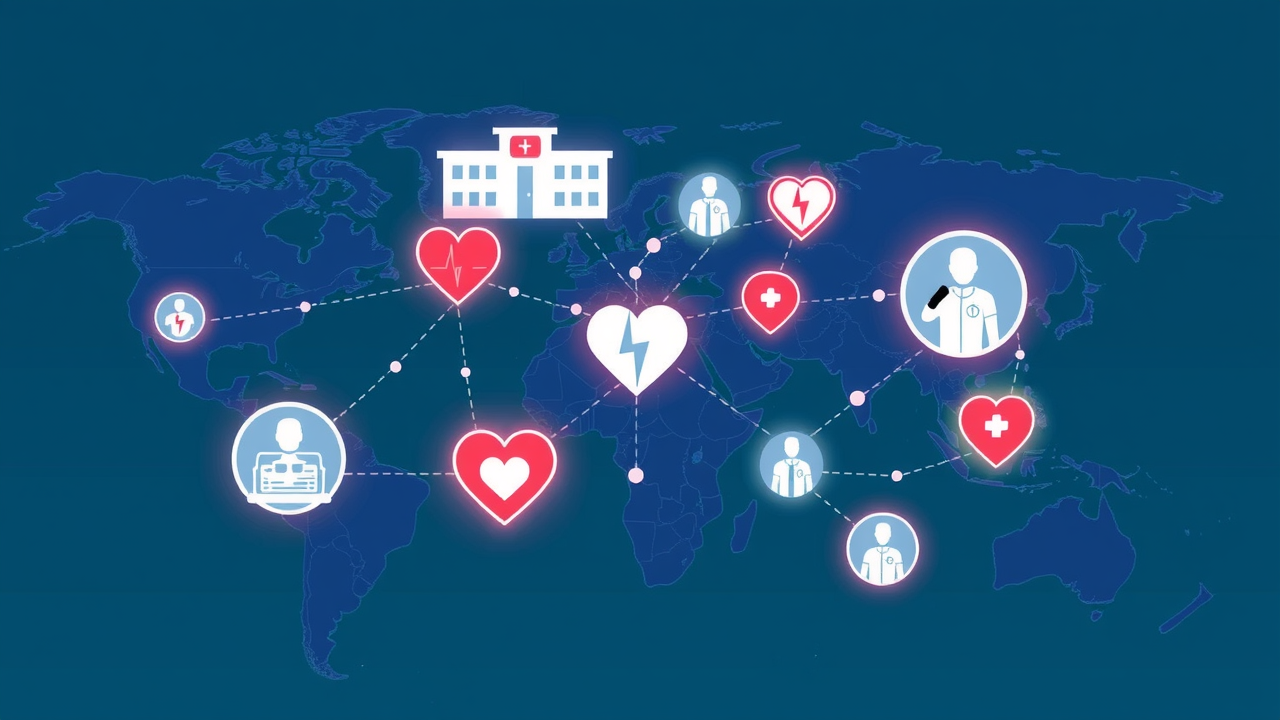
Chronic disease management is shaping the future of health care by shifting the focus from reactive treatment to proactive, continuous support. Through structured programs that combine data-driven insights, personalized care, and multidisciplinary collaboration, health systems can reduce hospitalizations, improve medication adherence, and enhance quality of life for patients living with long-term conditions.
The lasting impact extends beyond individual health outcomes—these programs strengthen the entire health care ecosystem. By empowering patients with education and tools for self-management while giving providers actionable data and strategies, chronic disease management fosters efficiency, lowers costs, and drives innovation. As health care continues to evolve, its future will be defined by the effectiveness of these programs in creating healthier populations and more resilient care systems.

Frequently Asked Questions About Chronic Disease Management
What is the management of chronic disease?
Management of chronic disease involves coordinated health care efforts—such as lifestyle modification, medical therapy, and patient education—to systematically prevent complications and maximize quality of life through structured management programs.
What chronic diseases benefit most?
Diabetes, heart failure, COPD, hypertension, chronic kidney disease, and asthma respond especially well to management programs due to their need for coordinated, ongoing support.
What is the chronic disease management program?
A chronic disease management program is a structured health care initiative that uses evidence-based strategies, coordinated care professionals, and patient engagement to improve the lives of those living with chronic diseases.
How does technology support management?
Digital tools support chronic disease management by monitoring vital signs, enabling remote consultations, improving medication adherence, and making care accessible beyond traditional office visits.
What are the key roles of health care professionals in chronic disease management?
These include diagnosis, care coordination, patient education, medication management, and creating a network of continuous support through multidisciplinary teams.

Ready to Transform Outcomes? Discover Chronic Disease Management Solutions Today
Chronic disease management solutions are revolutionizing how patients and providers approach long-term health. By combining evidence-based care plans, personalized interventions, advanced technology like AI and wearables, and the expertise of multidisciplinary care teams, these programs reduce hospitalizations, improve adherence, and empower patients to take control of their health.
Don’t wait—explore proven chronic disease management solutions today, connect with leading care professionals, and start building a healthier future for yourself or your organization.





Write A Comment