


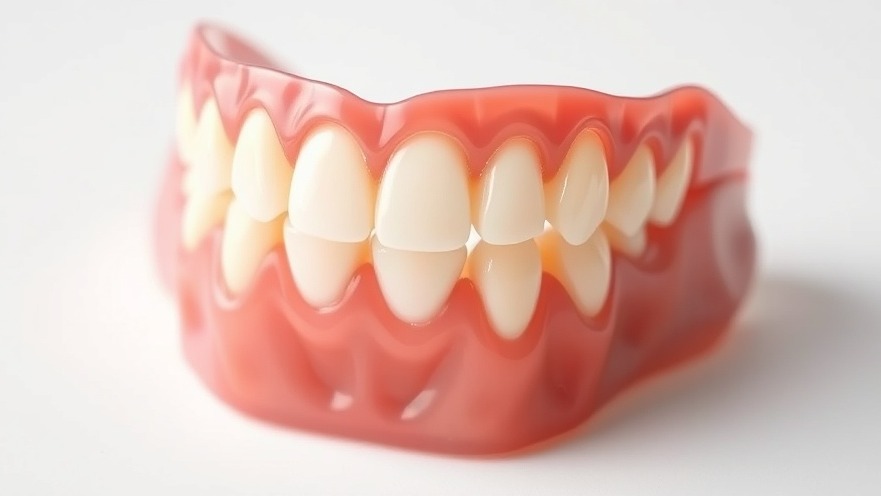
Understanding the Unique Care for Flexible Partials
Flexible partial dentures offer an intriguing combination of comfort and aesthetic appeal. They're lightweight, designed to bend slightly, and are held in place with gum-colored clasps instead of metal wire, making them more visually appealing. However, their composition also comes with unique care requirements that set them apart from traditional rigid acrylic plates.
The primary concern revolves around their material. Made from a nylon-type resin, flexible partials are tough but can be quickly disfigured by heat or a lack of moisture.
The Importance of Proper Cleaning Regimens
The American Dental Association (ADA) provides practical guidelines that can easily be overlooked. Regular brushing and rinsing before and after meals can significantly alter how long these flexible partials last. After each meal, it’s essential to take the partial out and rinse it under cool running water. This diminishes the chances of food particles getting lodged
Brushing your partial once a day is crucial. Use a soft-bristled toothbrush with a mild cleanser designed for flexible dentures. Remember, the inner side of the clasps can accumulate plaque, requiring special attention during your cleaning routine.
Daily Practices for Maintaining Your Flexible Partial
Creating a daily routine is the cornerstone of proper care. After every meal, removing and rinsing the partial can help prevent a buildup of bacteria. At least once a day, ensure you properly clean the partial over a soppy surface to catch any slips. Rinsing, followed by brushing with a non-abrasive cleanser, is vital for keeping the denture looking bright and fresh.
At night, your flexible partial should be soaked in a protective solution. Keeping it in a wet environment prevents it from warping, which can significantly affect fit and comfort.
What Products Should You Avoid?
To prolong the life of your flexible partial, avoid using regular toothpaste, hot water, household cleaners, or any abrasive materials for cleaning. These can cause irreparable damage, scratching the surface or altering the shape. Always stick to products specifically designed for flexible partials, ensuring the materials remain intact and the appearance stays fresh.
Effective Storage Solutions for Flexible Partials
When it comes to storage, the main rule is to keep your partial wet until you put it back in. Leaving it to dry on a nightstand can lead to shape changes and an uncomfortable fit. Opt for a lidded case filled with water or a cleaning solution specially formulated for flexible dentures, ensuring that it is stored out of reach of pets and children.
For those who travel, pack a small bottle of water and a soft brush in your carry-on for effortless care and maintenance on the go.
Stains and Odor: Prevention and Solutions
Common beverages such as coffee, tea, and red wine can stain flexible material. The best course of action is rinsing your partial right after consumption to mitigate these stains, which are often stubborn. If odor persists after thorough cleaning, it may be trapped in tiny scratches. A soak in a flexible-safe cleanser can help remove these stubborn smells.
Identifying Changes in Fit
Be vigilant in recognizing signs that your denture’s fit may require attention. A clasp that feels unusually loose or a new sore spot should not be ignored. Regular inspection of your routine care will help detect these changes. If the fit was never right from the start, consult the company you purchased it from to understand their replacement policy.
The Bottom Line: Why These Practices Matter
Memorizing an easy-to-follow routine for caring for and maintaining flexible partials not only extends the life of the product but also contributes to better oral health and overall well-being. Encouraging patients to understand this delicate balance between comfort and care is paramount for their satisfaction and health.
This knowledge serves as a powerful tool, ensuring that they're not only happy with their dental solutions but also empowered to maintain them well. With these insights, you can enhance your practice's patient education, thereby solidifying trust and loyalty within your community.
As concierge medical practitioners, fostering a wellness culture in your patient interactions is vital. Make it a point to provide resources and encouragement around proper cleaning techniques, as this is essential to your patient's dental health and comfort.






Write A Comment