


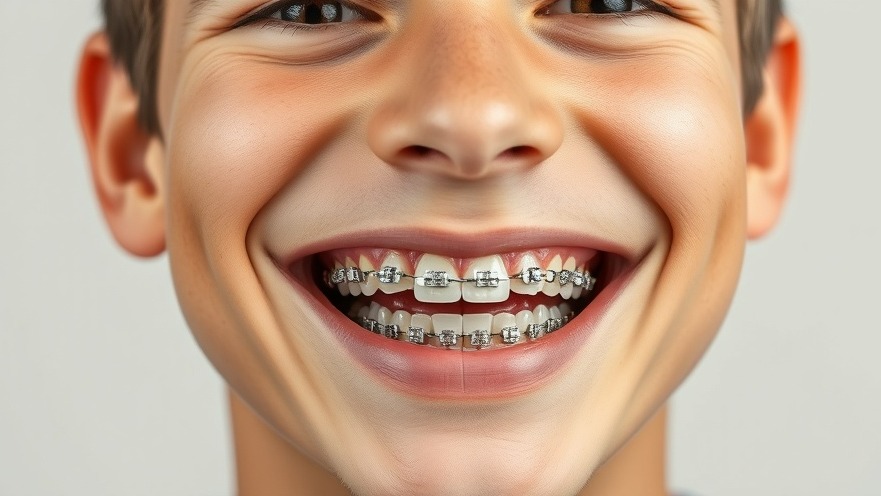
Accidental Ingestion: A Demystified Dilemma
In a striking incident that highlights the intersection of traditional cuisine and modern orthodontics, a 19-year-old patient in India found himself in an unexpected predicament when he swallowed a broken piece of his orthodontic device while enjoying a firm Indian delicacy. This case underscores the importance of patient education in dentists’ offices about the risks associated with orthodontic appliances.
The Incident: A Closer Examination
The young man's story began with a meal that took a dangerous turn when the transpalatal arch—an essential component of his orthodontic treatment—unexpectedly broke and mixed with his food. Orthodontist Mohammad Sharif and his team from the Armed Forces Medical College in Pune detailed how the dual pieces of swallowed wire were identified through X-rays, confirming their presence in the young man’s stomach. This incident serves as a compelling reminder of the vulnerabilities that can exist, even during everyday activities like eating.
Understanding Swallowed Objects: Common Yet Overlooked
The case illustrates that swallowing foreign objects is more common than most realize. According to research, orthodontic appliances account for a notable percentage of swallowed or inhaled objects, often going unnoticed until it is too late. A staggering 80% to 90% of swallowed foreign bodies generally pass through the digestive system without necessitating medical intervention, but this is not without exceptions, particularly when sharp objects are concerned.
Educational Takeaways for Patients: What to Know
This incident urges healthcare providers, particularly those in concierge medicine, to prioritize education on the risks tied to orthodontic treatments. Common misconceptions about what constitutes a risk warrant addressing—patients should be reminded that while dental appliances serve essential functions, they can also pose dangers if they become damaged or if food hardens and inadvertently dislodges them.
Preventative Measures: Simple Steps to Avoid Complications
Concierge practice owners can utilize this incident as a launchpad for enhancing their patient education efforts. Providing clear guidelines for eating while wearing orthodontic devices can mitigate risk. Implementing follow-up calls and instructions, particularly if patients report discomfort, can develop a roadmap for care that places a focus on prevention ahead of crisis management.
Broader Context: Incidents of Ingestion in Healthcare
Clinicians often report that the ingestion of dental appliances tends to occur outside the clinical setting, which makes ongoing communication between patient and healthcare provider crucial. This aligns with findings from a literature review contrasting the frequency of these incidents across various demographics—many patients have fixed orthodontics, yet the aftermath of an incident often remains underreported. Thus, creating a strong communication system post-treatment can significantly impact patient safety.
Final Thoughts: Building Trust Through Communication
The intriguing case of a young orthodontic patient swallowing his broken wire presents an opportunity for healthcare professionals to reevaluate and enhance their patient communication strategies. Taking simple steps in educating patients not only cultivates better health habits but also seals the physician-patient trust, a cornerstone of concierge medical practices.
In the ever-evolving healthcare landscape, a culture of care driven by empathetic communication and proactive education can significantly lower risks and clarify misunderstandings around complex procedures.





Write A Comment