


Understanding the Frequency of Sports Concussions
Concussions are among the most concerning injuries in sports, impacting athletes across various levels, from youth leagues to professionals. Though exact statistics can be elusive, research from the Centers for Disease Control and Prevention estimates that between 1.6 million to 3.8 million sports-related concussions occur annually within the United States. These figures reflect a wider breadth than just organized athletic competitions, as many injuries go unreported due to overlooked symptoms or athletes' reluctance to sideline themselves. As a result, both families and medical practitioners must be vigilant in understanding the rates of concussions, especially within high-risk sports.
High-Risk Sports and Their Impact
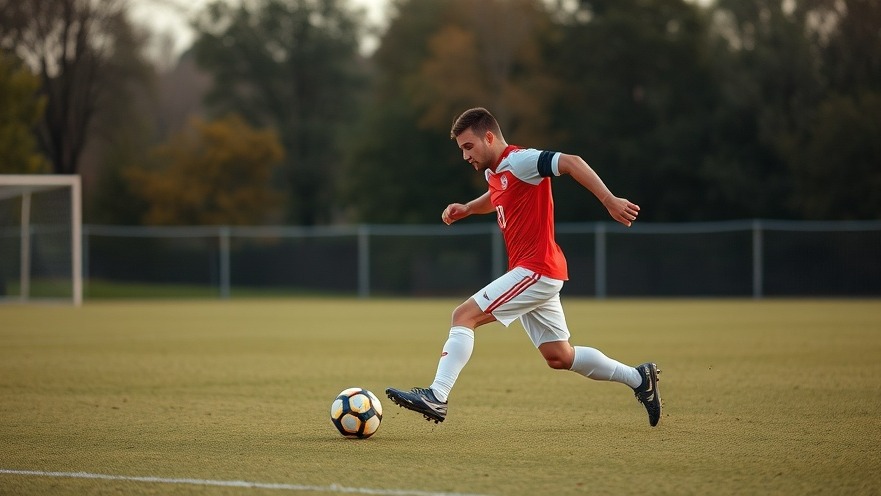
Certain sports are notorious for their high rates of concussive injuries. Football, for instance, consistently ranks at the top due to the physical nature of the game—tackling and blocking lead to repeated head impacts, making it a primary offender. Ice hockey follows closely, as the combination of speed and sudden stops creates numerous collision scenarios. Lesser-highlighted sports, such as soccer and lacrosse, also carry significant risks, often stemming from player-to-player contact rather than intentional ball play. Understanding these risks can help medical concierge practices better prepare for preventative measures and responses during games.
Recognizing Symptoms and Immediate Actions
Common symptoms of concussions can be subtle but crucial. Athletes might report headaches, dizziness, and confusion—signs that healthcare providers need to actively check for during assessments. Often, symptoms may not present immediately, leading to serious complications when not addressed. Families should be made well aware of symptoms, as knowledge can empower them to act swiftly in ensuring a proper medical evaluation occurs promptly.
Long-Term Consequences of Repeat Concussions
One of the most alarming aspects of concussions is the risk of repeat injuries. Athletes who return to play before fully recovering may experience enduring symptoms or face additional neurological risks long-term. Research supports the notion that recovery times vary greatly among individuals, influencing return-to-play strategies and emphasizing the need for a tailored approach that prioritizes health over competition. A medical concierge service focusing on patient autonomy and care can significantly enhance recovery support for athletes.
The Role of Preventative Measures in Reducing Concussion Rates
While no protective device can completely negate the risk of concussions, adhering to standards in equipment fitting and player education can substantially lower incidence rates. Coaches must actively teach safer techniques and foster environments where athletes feel safe reporting their symptoms without fear of judgment. Encouraging open dialogues about health not only supports player safety but also instills a community-focused approach to wellness.
Insights for Medical Concierge Practices
For concierge medical practices aiming to stand out in their local markets, understanding and addressing the complexities of sports concussions can differentiate their services. By offering tailored concussion management programs or workshops for athletes and their families, practices can better position themselves not just as health providers, but as partners in enhancing athletic performance and wellness. This commitment to protective measures and education resonates deeply with health-conscious families prioritizing their children's safety.
As the conversation around sports injuries evolves, so too must the responses from healthcare providers. By staying vigilant, fostering educational initiatives, and advocating for proactive measures, medical concierge practices can contribute significantly to both local sports safety and the wellbeing of their patients.







Write A Comment